



Is the Noble Audio FoKus Apollo Pro Worth Buying?
Absolutely! The Noble Audio FoKus Apollo Pro is one of the most impressive wireless over-ear headphones I’ve had the pleasure of reviewing.
With its hybrid dynamic-and-planar magnetic driver architecture, premium construction, exceptionally comfortable fit, excellent real-world active noise cancellation, impressive wireless connectivity, and outstanding 10-band EQ, Noble has created a genuinely compelling listening experience.
At $699, the Apollo Pro presents a significant barrier to entry. But there’s a difference between a headphone being costly and being expensive. And after spending time with this magnificent wireless monster, I’m increasingly convinced that Noble understands something many manufacturers overlook: the music should always be the reason we’re here.
✅ Pros: Exceptional overall sound quality, sophisticated hybrid dynamic and planar magnetic driver system, premium materials and beautiful finishes, compact earcups that fit my ears perfectly, outstanding long-session comfort without uncomfortable clamping, excellent ANC performance, remarkable real-world wireless stability, accessible 10-band EQ, tactile physical controls, multiple high-quality Bluetooth codecs, outstanding manufacturer-rated battery endurance, wired listening capabilities, and a well-designed carrying case that’s manageable inside a backpack.
⛔ Cons: Premium price, no automatic wear detection, noticeable one-to-two-second delay when adjusting EQ, track-skipping commands aren’t immediately intuitive, no fully parametric EQ, non-folding construction limits packing flexibility, compact earcup openings may not suit larger ears, and competitors offer more comprehensive smart features.
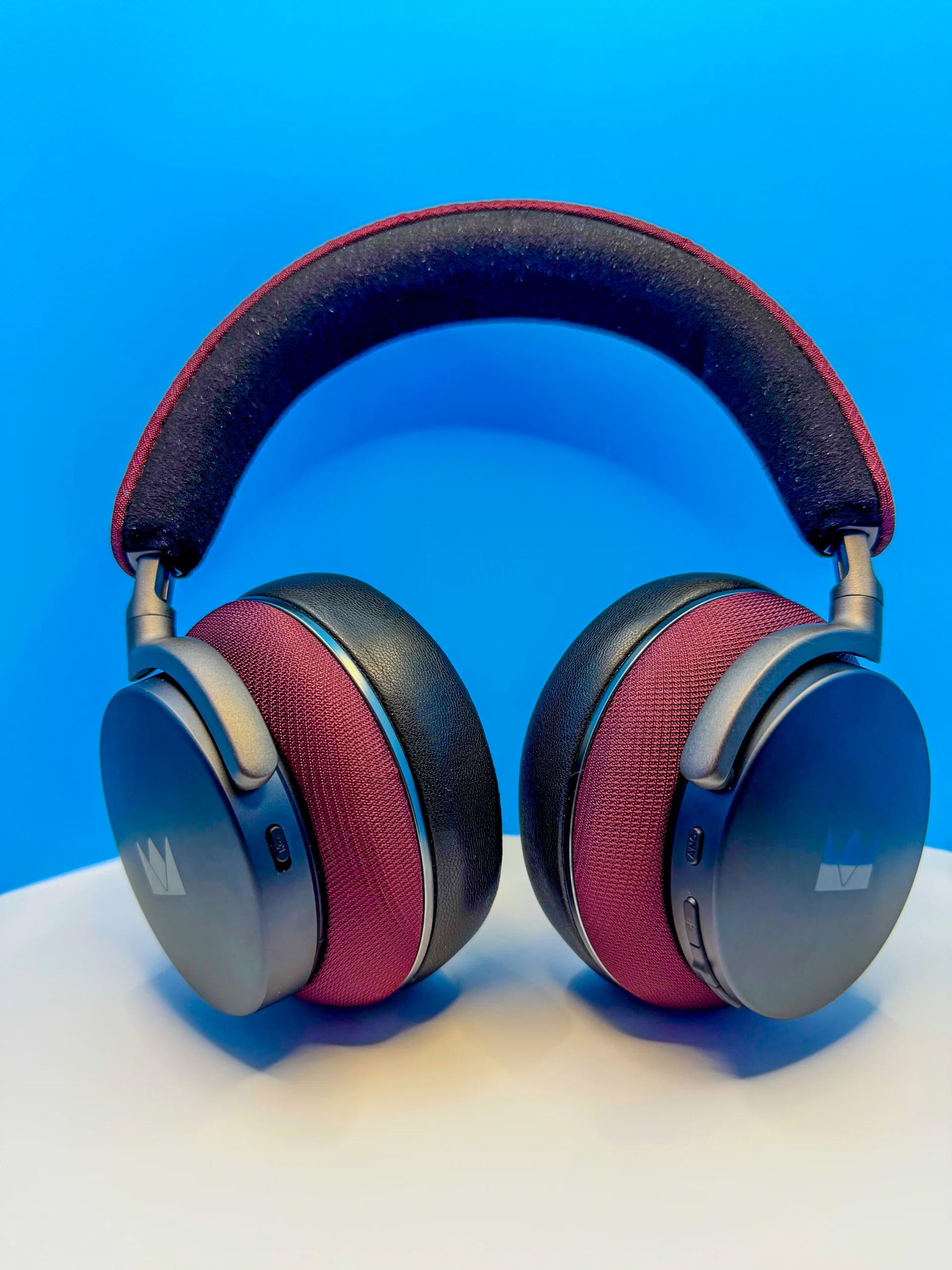
🎧 Premium Wireless Headphone Brands Have a New Problem
The premium wireless headphone market has become an arms race. Better noise cancellation, smarter features, more microphones, more sensors, and enough processing power to make your smartphone jealous. Manufacturers have gotten remarkably good at shutting the world out, and I appreciate every bit of that innovation.
But here’s something I’ve been thinking about: What happens after the world goes quiet?
When the office fades away, the air conditioner disappears into the background, and the dog finally stops interrupting your favorite recording, what’s left?
The music. And shouldn’t that be the whole point?
That’s where the Noble Audio FoKus Apollo Pro comes in. And folks, premium consumer audio brands might want to pay attention.
I’ve spent years exploring headphones, IEMs, DACs, amplifiers, and just about every audio contraption promising to transform ordinary listening into something extraordinary. Some deliver. Others make me wonder whether the marketing department had a better year than the engineers.
Then something like the Apollo Pro comes along. It doesn’t automatically pause when you remove it. It doesn’t fold into a tiny travel package. And it doesn’t have every smart feature we’ve come to expect from premium wireless headphones.
Yet I absolutely love the thing.
Why? Because Noble seems to understand something that’s getting lost in the race to build increasingly intelligent headphones: Great sound isn’t another feature. It’s the reason these products exist.
And don’t mistake the Apollo Pro for some old-school audiophile relic. These are modern wireless headphones with a hybrid dynamic and planar magnetic driver system, Bluetooth 5.3, high-quality codec support, active noise cancellation, multipoint connectivity, impressive battery endurance, and wired listening options.
Then there’s the excellent 10-band EQ, conveniently accessible from the companion app’s main screen. No digging through endless menus or deciphering complicated settings. Just open the app and shape the music the way you like to hear it.
Want more warmth? Go for it. Need a little vocal presence? You’ve got options. Craving some extra sparkle and air? Have at it.
I appreciate thoughtful tuning, but I also believe listeners should be free to make their music sound the way they want. Noble embraces that philosophy, and the Apollo Pro makes experimenting with sound genuinely enjoyable.
The physical experience makes an equally strong impression. Premium materials, beautiful finishes, tactile buttons, and wonderfully comfortable earcups give the Apollo Pro a purposeful feel. Nothing feels needlessly flashy, and the smaller earcups fit my ears beautifully during extended listening sessions.
It’s not perfect, and at $699, those missing conveniences deserve criticism. But something interesting happens when you stop comparing feature lists and start listening.
You remember why you fell in love with music in the first place.
That’s the challenge the Apollo Pro presents to the premium wireless headphone market. Consumers have been taught to expect increasingly sophisticated technology, and that’s fine. But perhaps it’s time to ask whether all that innovation makes our music more enjoyable or simply makes our headphones more complicated.
Noble isn’t trying to win every feature contest. It’s making a different argument.
The smartest headphone in the room doesn’t necessarily deliver the most satisfying listening experience.
After spending time with the FoKus Apollo Pro, I think the entire premium wireless industry should take that argument seriously.
🦖 Disclosure
The wonderful team at Bloom Audio provided the Noble Audio FoKus Apollo Pro for review.
I’m incredibly grateful for their continued generosity, trust, and support of GearZilla Reviews. I genuinely appreciate the opportunity to spend meaningful time with exceptional audio equipment and share those experiences with fellow music lovers.
But as always, provided gear doesn’t buy a favorable review, and generosity doesn’t determine my final score. My listening impressions, observations, criticisms, and conclusions are entirely my own. No manufacturer, distributor, or retailer controls what I write.
My mission remains simple: understand what a product was designed to accomplish, evaluate how effectively it delivers, and share an authentic listening experience with fellow music lovers.
Listen first. Figure out the story later.
Huge thanks to Steve, Emily, and the Bloom Audio team for trusting GearZilla with this magnificent wireless monster!
🏭 The Story Behind Noble Audio: The Wizard Knows Sound
Noble Audio isn’t a newcomer trying to make a name for itself in the premium personal audio market.
The company has built an international reputation for enthusiast-grade in-ear monitors, distinctive craftsmanship, and sophisticated acoustic engineering.
At the center of Noble’s story is John Moulton, better known in the audiophile community as “The Wizard.”
Moulton’s work helped establish Noble as a recognizable name among enthusiasts who value sound quality, engineering, and individual design.
That’s important context because the FoKus Apollo Pro doesn’t feel like a conventional consumer electronics company deciding it needs another Bluetooth headphone in its catalog.
It feels like an enthusiast-audio manufacturer approaching wireless headphones from the opposite direction.
Start with the sound.
Build the hardware around that experience.
Then figure out how to make it practical for everyday use.
Noble entered the over-ear wireless category in 2024 with the original FoKus Apollo, drawing attention for its unusual combination of dynamic and planar magnetic drivers.
The Apollo Pro builds on that foundation.
Rather than abandoning the original architecture, Noble refined its tuning, materials, cushions, finishes, and overall presentation.
And I appreciate that philosophy.
Not every new product needs to reinvent the entire category.
Sometimes the greater accomplishment is understanding what already works and improving the experience surrounding it.
Noble didn’t need to reinvent the Apollo. It needed to make an already ambitious headphone feel more complete.
And from what I’ve experienced, that’s exactly the direction the company chose.
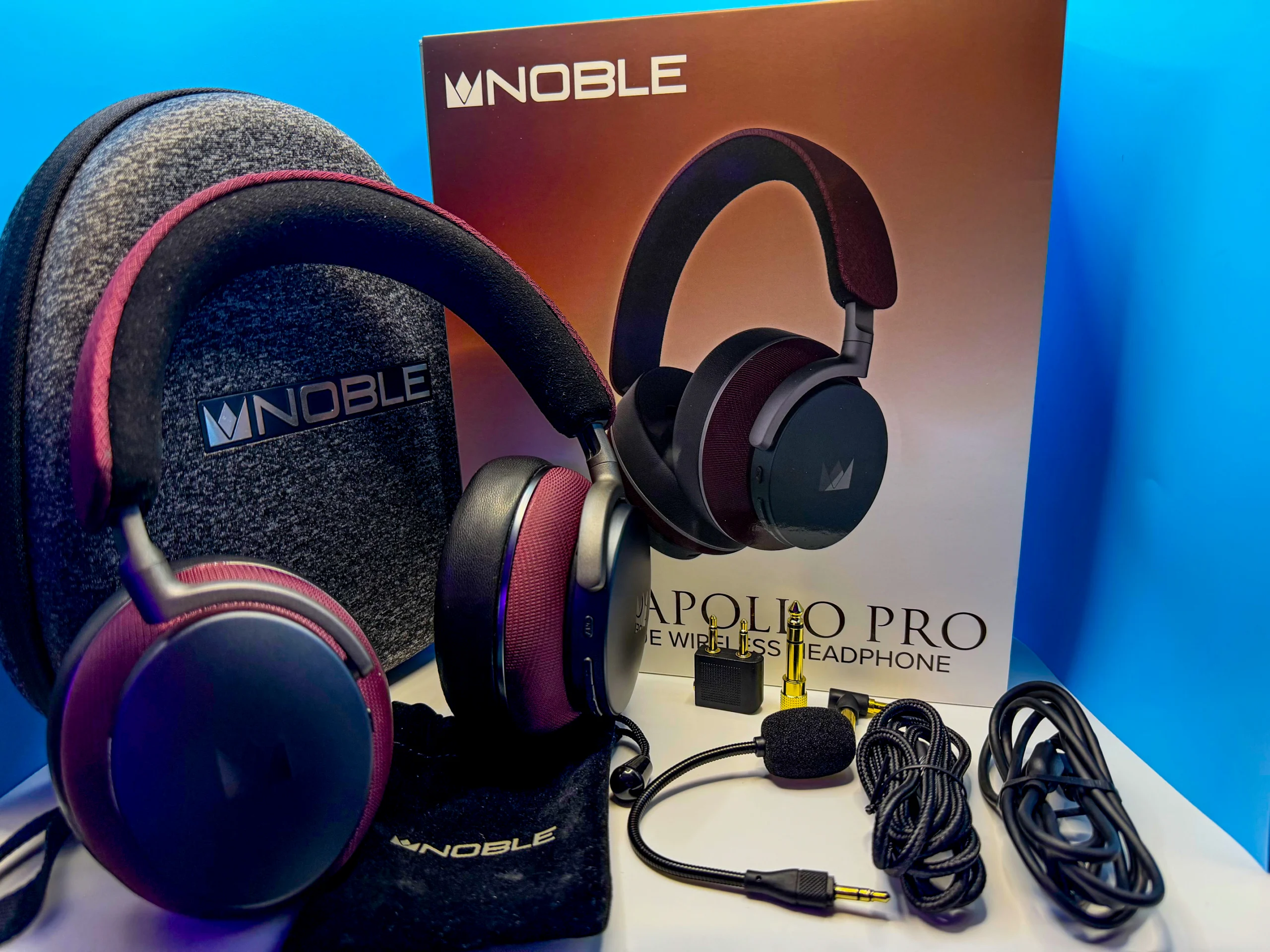
⚙️ What’s Inside the Apollo Pro? Two Drivers, One Purpose
Now we’re getting to the engineering that makes this headphone particularly interesting.
Most premium wireless over-ear headphones rely on a single dynamic driver in each earcup to reproduce the audible frequency range.
That’s a proven architecture.
An excellent dynamic driver can reproduce extraordinarily convincing sound.
But Noble chose a different approach.
🧬 Hybrid Dynamic and Planar Magnetic Engineering
Inside each earcup, the Apollo Pro combines:
- 40mm Dynamic Driver: Intended to provide low-frequency authority, body, and physical impact.
- 14.5mm Planar Magnetic Driver: Contributes to the hybrid system’s upper-frequency reproduction and overall articulation.
The drivers work together in a coaxial hybrid arrangement.
Why bother?
Dynamic drivers are widely appreciated for their ability to move air, reproduce convincing bass, and deliver satisfying physical energy.
Planar magnetic drivers use thin diaphragms driven by electromagnetic forces distributed across their surfaces. Depending on implementation, this can provide useful advantages in diaphragm behavior, distortion control, and high-frequency reproduction.
Combining these technologies creates opportunities to exploit different strengths within one headphone.
But let’s make an important distinction.
Two drivers don’t automatically mean twice the sound quality.
Driver integration, acoustic design, crossover behavior, amplification, and digital signal processing determine whether the complete system actually delivers an improvement.
A poorly integrated hybrid can introduce more problems than it solves.
That’s why I don’t automatically reward a headphone for having additional drivers.
I reward what those drivers accomplish.
And the Apollo Pro makes a compelling argument for Noble’s approach.
Published evaluations from Headfonia and Headfonics describe the Pro as a more mature and refined interpretation of the original Apollo, with tighter low-frequency control and improved midrange balance.
And that’s consistent with the larger philosophy I hear in this product.
The architecture gives Noble possibilities. The tuning determines whether those possibilities become great music.
📡 Qualcomm Connectivity and High-Quality Bluetooth Codecs
The Apollo Pro uses Qualcomm’s QCC3084 chipset with Bluetooth 5.3.
Supported codecs include:
- SBC
- AAC
- aptX
- aptX HD
- LDAC
It also supports multipoint connectivity, letting you connect to two compatible devices.
That combination gives listeners flexibility when moving between phones, tablets, computers, and streaming setups.
For my Apple Music listening, there’s an important technical distinction.
Even when Apple Music delivers the original recording in Lossless, Bluetooth transmission via AAC or LDAC doesn’t automatically preserve that audio bit-for-bit.
But that doesn’t mean you can’t get excellent wireless sound.
Codec implementation, digital processing, amplifier performance, driver tuning, and the complete acoustic system all influence the result.
And I think that’s where Noble deserves attention.
The Apollo Pro doesn’t need to win a codec specification contest. It needs to make the music sound wonderful.
🔌 Wired Listening: A Welcome Alternative
The Apollo Pro also offers wired listening, including a detachable 3.5mm connection and USB-C audio support.
That flexibility makes a meaningful difference for listeners who occasionally want to step outside the Bluetooth ecosystem.
Perhaps you’re using a desktop system.
Perhaps you’re connecting to a portable source.
Or perhaps the battery has finally run down after an extended listening session.
The analog connection can keep working without the headphone’s battery.
That’s a welcome feature for long-term usability.
Of course, passive wired playback doesn’t mean all active features remain available. Functions such as ANC and digital equalization depend on the headphone’s powered electronics.
Still, I appreciate having the option.
📋 Technical Specifications
Acoustic Performance
- Driver Configuration: Coaxial hybrid
- Dynamic Driver: 40mm
- Planar Magnetic Driver: 14.5mm
- Acoustic Design: Closed-back over-ear
Bluetooth and Wireless
- Bluetooth Version: 5.3
- Chipset: Qualcomm QCC3084
- Codecs: SBC, AAC, aptX, aptX HD, LDAC
- Multipoint Connectivity: Supported
- Manufacturer-Rated Operating Range: 10m
Noise Cancellation and Software
- Active Noise Cancellation: Supported
- Transparency Mode: Supported
- Call Noise Processing: Qualcomm cVc 8.0
- Companion Application: Noble FoKus
- Equalizer: 10-band graphic EQ
- Firmware Updates: Over-the-air
Battery and Charging
- Battery Capacity: 1,000mAh
- Playback, ANC Off: Up to 80 hours
- Playback, ANC On: Up to 60 hours
- Charging Time: Under 3 hours
- Standby Time: Up to 1,000 hours
Physical Specifications
- Weight: 327g
- Dimensions: 19.5 × 17 × 8.5cm
- Ear Cushions: Leather and velvet cushioning
- Carrying Case: Compact protective case
- Wired Connection: Detachable 3.5mm cable
- Additional Accessory: Detachable boom microphone
- U.S. Launch Price: $699
Specifications sourced from Noble Audio. Battery figures and operating range are manufacturer ratings rather than independently measured GearZilla results.
None of these specifications individually prove that the Apollo Pro will sound better than a competing headphone.
Together, they show the extent of Noble’s engineering ambitions.
This isn’t simply another Bluetooth headphone. It’s a serious wireless audio system.
📦 First Impressions: Premium Without Screaming About It
I love headphones that look like someone actually took the time to design them.
Not simply decorate it.
Design it.
There’s a difference.
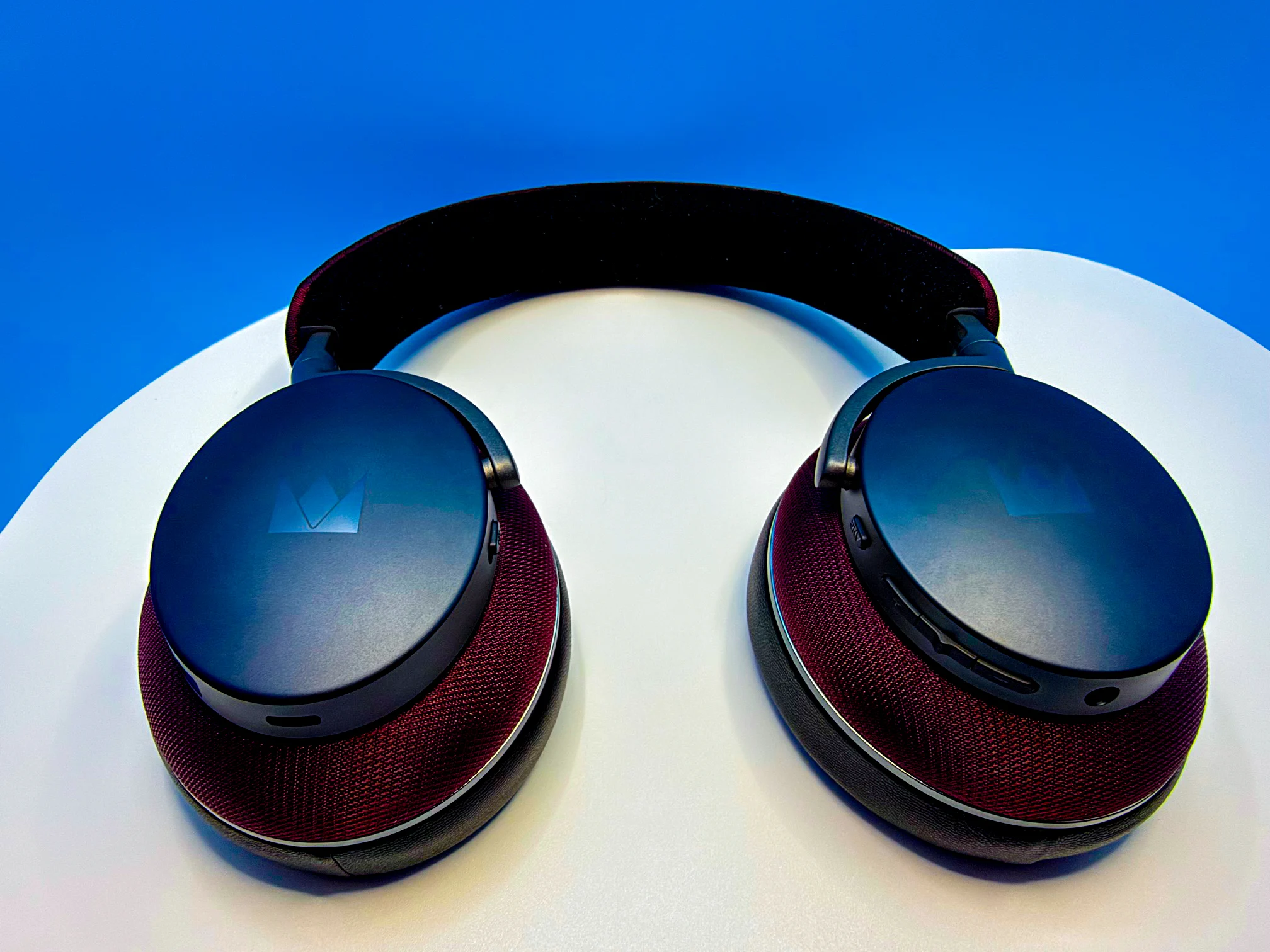
The Apollo Pro has a distinctive visual character that immediately communicates its ambitions.
It’s attractive, sophisticated, and premium without resorting to aggressive styling or enormous logos announcing how expensive it is.
And honestly?
It looks fantastic.
It’s the kind of headphone I’d happily wear at my desk, bring to an audio meetup, or take along for a serious listening session.
The presentation feels professional.
Not sterile.
Not boring.
Professional in the sense that the product feels like a carefully considered piece of equipment.
🎨 The Finishes Make an Impression
Noble offers the Apollo Pro in Burgundy and Peacock finishes.
The headphones combine metal components, textured surfaces, premium padding, and a design language that sets them apart from the mostly anonymous look of many mainstream wireless competitors.
Rather than dressing up inexpensive-looking hardware, Noble has created something that feels appropriately sophisticated.
And I appreciate that.
Premium pricing should come with premium attention to detail.
But visual appeal alone isn’t enough.
A headphone also needs to feel good, operate reliably, and provide an enjoyable ownership experience.
That’s where the Apollo Pro continues to impress.
🎒 The Carrying Case: Not Tiny, but Practical
Let’s address portability.
The Apollo Pro doesn’t fold inward into a particularly small travel package.
Its earcups swivel, but the basic headband structure remains relatively large.
That’s a legitimate disadvantage compared with folding competitors.
If you want headphones that disappear into the smallest possible travel bag, Noble won’t win that contest.
But here’s what surprised me.
The included case is actually quite manageable.
It’s compact enough that I can comfortably slide it into a backpack without sacrificing an unreasonable amount of space.
Noble also redesigned the Pro’s case to be smaller than the original Apollo’s.
Would folding construction have been convenient?
Absolutely.
But I also don’t need every product to prioritize portability above everything else.
The Apollo Pro isn’t the smallest travel companion, but it doesn’t need its own suitcase, either.
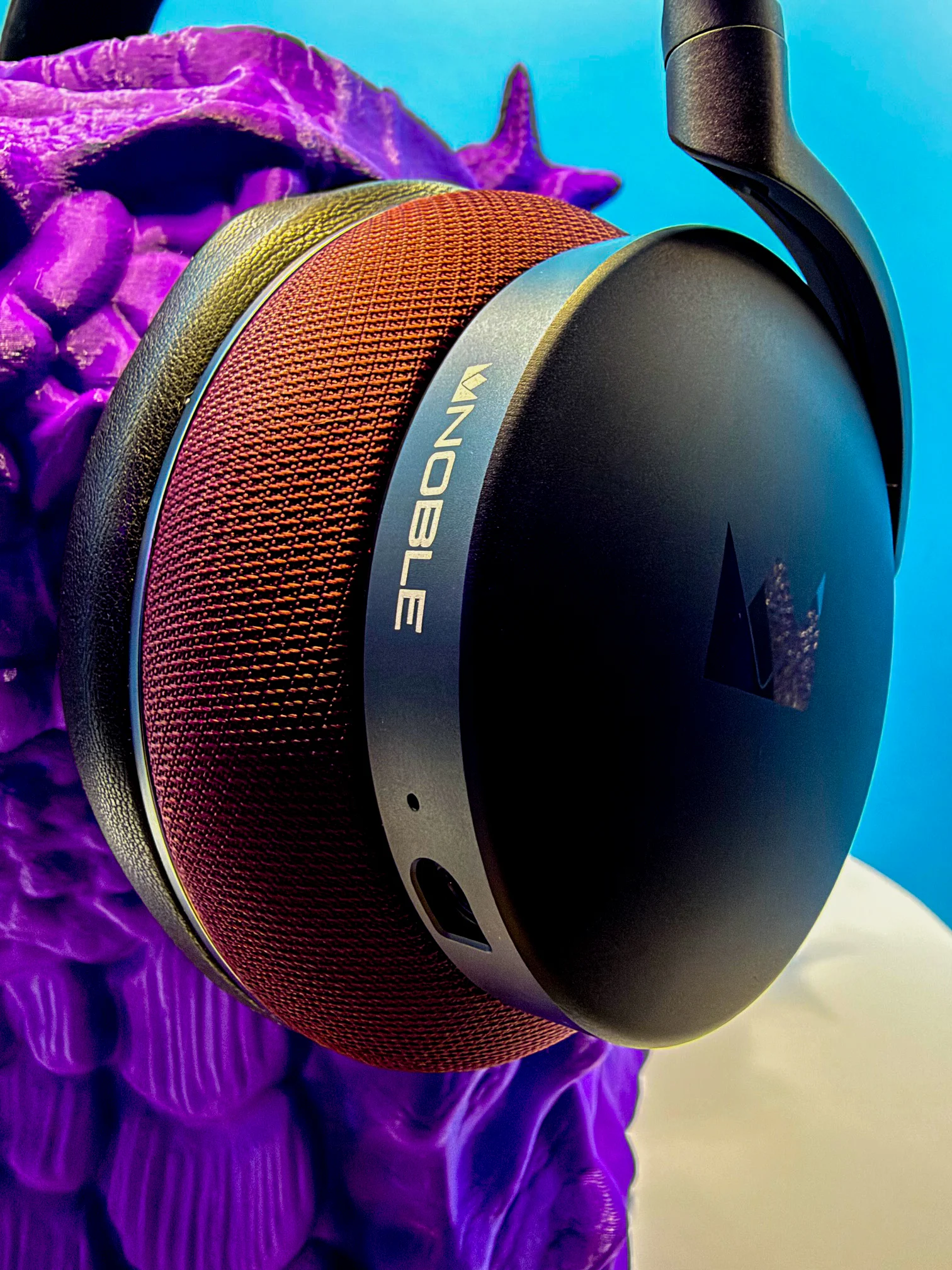
🛠️ Build Quality: Intentional From the First Touch
The more time I spend with the Apollo Pro, the more one word keeps appearing in my notes.
Intentional.
The finishes feel deliberate.
The earcups feel appropriately sized.
The physical controls serve clear purposes.
Even the application’s layout reflects decisions that make more sense the longer I use the headphones.
And that brings me to something that deserves applause.
🎛️ Physical Buttons! Hallelujah!
Can we please talk about physical buttons?
Because I’m absolutely thrilled Noble chose them.
I’ve used plenty of wireless headphones where a perfectly innocent earcup adjustment suddenly pauses the music, changes a setting, or triggers some mysterious touch command.
Sometimes I don’t want to learn an elaborate gesture language simply to listen to an album.
I want to press a button.
And I want that button to do what it’s supposed to do.
The Apollo Pro delivers that tactile experience.
Power.
Playback.
Volume.
ANC.
Wonderful.
But here’s where I need to offer a little criticism.
During my initial listening, I couldn’t figure out how to skip tracks using the physical controls.
I tried the obvious commands.
Nothing seemed immediately intuitive.
Eventually, I discovered that track skipping is supported.
A long press of volume up advances to the next track, while a long press of volume down returns to the previous track.
Problem solved.
Mostly.
Because I would argue that discoverability is part of usability.
A feature that’s technically available but difficult to figure out isn’t quite as seamless as one that feels immediately natural.
And with a $699 pair of headphones, those little details deserve attention.
👂 No Automatic Wear Detection
The Apollo Pro also lacks automatic wear detection.
That means removing the headphones doesn’t automatically pause the music.
Is that the end of the world?
Of course not.
I can press pause.
I’ve been doing it for decades.
But we’re talking about a premium wireless headphone competing against some of the most feature-rich products in the category.
And at this price, it’s fair to expect conveniences that have become relatively common.
Now, would I trade the Apollo Pro’s sound quality for automatic wear detection?
Not a chance.
But that doesn’t mean Noble gets a free pass.
Intentional simplicity is admirable. Missing convenience features are still missing convenience features.
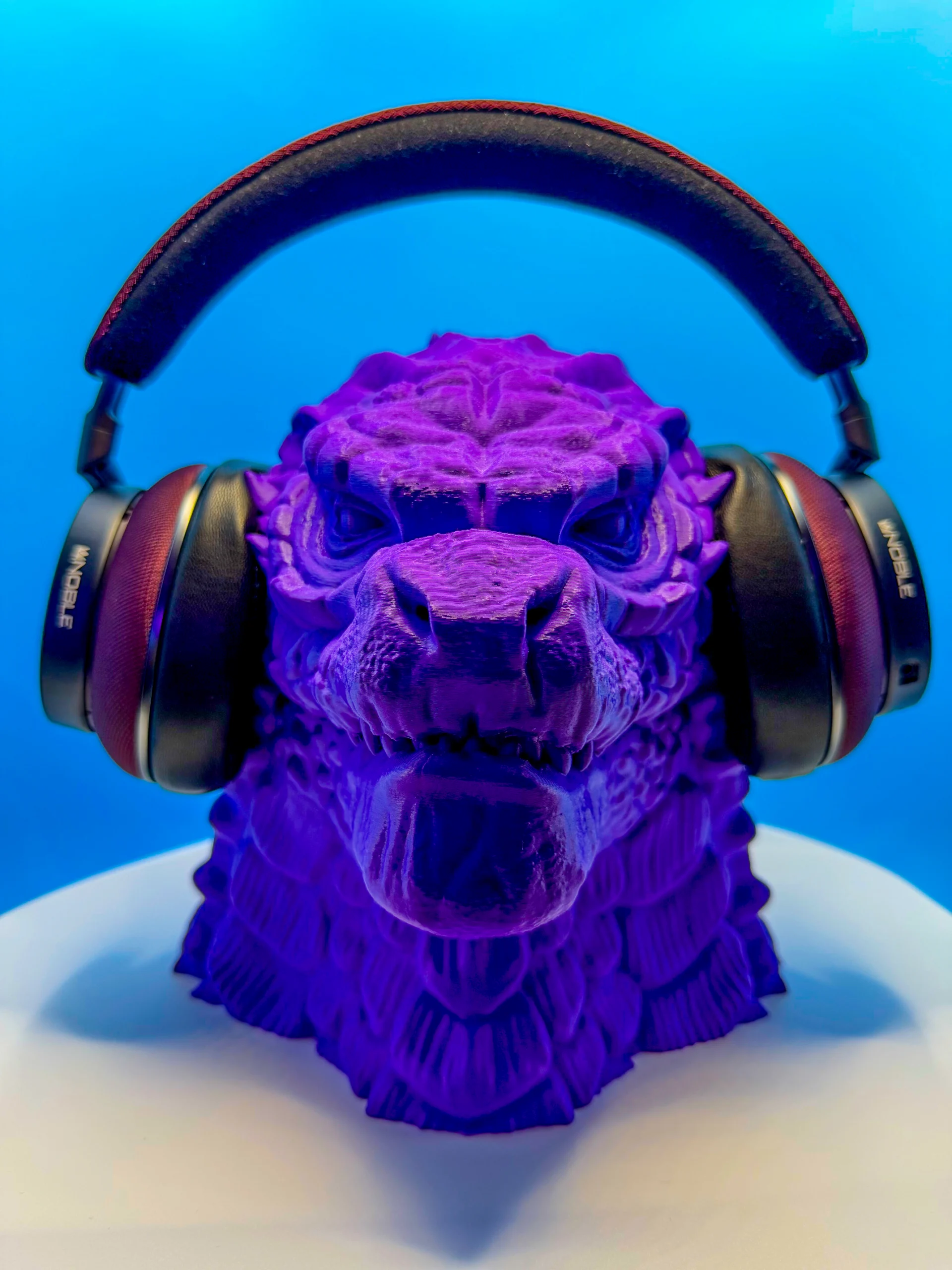
🎧 Review Setup: Listen First, Analyze Later
My approach to reviewing audio equipment is pretty straightforward.
Listen first. Figure out the story later.
I don’t start with a frequency-response graph and decide what I’m supposed to hear. I start with music I know and love, recordings I’ve experienced through countless headphones, IEMs, DACs, and amplifiers.
Then I ask myself one simple question:
Does this equipment help me enjoy familiar music in a new way?
With the Noble Audio FoKus Apollo Pro, the answer is an enthusiastic yes.
My evaluation focuses on what matters during everyday listening: sound quality, comfort, active noise cancellation, wireless stability, physical controls, EQ flexibility, and overall musical enjoyment.
I’m interested in how equipment performs when I’m actually living with it, not just studying its specifications.
A special shoutout to Jake and Matt from BloomPod, who keep reminding me of something every reviewer should remember: Know your audience.
It’s easy to get caught up in specs, measurements, and technical jargon, but our real responsibility is to help fellow music lovers understand what it all means for their listening experience.
Their perspective reminds us that a review shouldn’t just explain how something performs. It should help someone decide whether it’s right for them.
Those guys rock!
🖥️ Sources & Testing Rigs
My primary streaming source is Apple Music Lossless, supported by a collection of desktop and portable audio equipment that provides a broader perspective on different sound signatures, amplification approaches, and listening experiences.
Desktop Reference Equipment
- Fosi Audio S3 Lite
- Topping DX5 II
- FiiO K11
- Loxjie P20
- xDuoo DM-01
Portable DAPs & DAC/Amps
- HiBy R4 Evangelion Edition
- HiBy W4
- iBasso DC-Tonfa
- Cayin RU3
- TANCHJIM SPACE II
- iFi GO blu
- iFi iDSD GR2
- Astell&Kern PD20
- Astell&Kern HC5
- Astell&Kern SP4000T
Wireless Headphone References
- Sony WH-1000XM6
- Bose QuietComfort Ultra
- Apple AirPods Max
🔬 Testing Methodology & Transparency
For this review, I concentrated on the Apollo Pro’s performance in everyday listening situations, including extended music sessions, ANC effectiveness, wireless range, connection stability, call quality, comfort, and sound customization.
My existing audio equipment provides useful reference points, but listing a device doesn’t mean I used it in a direct comparison or performed controlled measurements. I include the additional and upcoming review equipment for context, not as evidence of Apollo Pro testing.
Similarly, I identify manufacturer specifications, particularly battery endurance and operating range, separately from my firsthand observations.
My sound impressions are subjective and based on personal listening experience. I don’t present other reviewers’ findings, published specifications, or theoretical driver advantages as results I measured independently.
The goal isn’t to prove Noble’s marketing right or wrong. It’s to understand what Noble built, how it performs in the real world, and whether it makes the music worth listening to just a little longer.

Every monster has its own genetic signature.
The Apollo Pro’s DNA isn’t defined by the largest driver, the most aggressive ANC claim, or the longest list of smart features.
It’s built around musical performance, thoughtful engineering, meaningful customization, comfort, and premium execution.
And that’s what makes this monster interesting.
K • Kill Shot
The sound comes first, and Noble lets you shape it.
The Apollo Pro’s greatest advantage isn’t simply that it sounds excellent.
It’s that Noble provides meaningful control over an already enjoyable listening experience.
The 10-band EQ is easy to access, genuinely useful, and central to the headphone’s identity.
For listeners who enjoy customizing their sound, that’s a tremendous advantage.
A • Anatomy
Two driver technologies working toward one purpose.
The Apollo Pro combines a 40mm dynamic driver with a 14.5mm planar magnetic driver in a hybrid acoustic system.
With advanced wireless connectivity, strong battery specs, ANC, physical controls, and premium materials, there’s considerable engineering to appreciate.
But complexity alone isn’t the achievement.
Making everything feel cohesive is.
I • Impact
Outstanding musical enjoyment supported by genuinely effective isolation.
The ANC has impressed me in real-world conditions, even significantly reducing my dog’s barking intrusion.
That’s not a laboratory measurement, but it’s an experience that matters.
And when the background settles down, the sound becomes the main attraction.
J • Joy
This is where the Apollo Pro really gets me.
I genuinely enjoy wearing and listening to it.
Not simply testing it.
Not checking features off a specification sheet.
Actually living with it.
The smaller earcups fit beautifully.
The clamping pressure never becomes uncomfortable.
The physical controls feel satisfying.
The application invites experimentation.
And the music sounds wonderful.
A headphone that makes you want to keep listening offers tremendous value.
U • Unleashed
Stop asking whether it’s cheap. Start asking whether it satisfies you.
At $699, this is a substantial purchase.
But if the Apollo Pro delivers enough enjoyment to keep you satisfied for years, the value proposition becomes much more interesting.
It isn’t perfect.
It isn’t inexpensive.
And it won’t be right for everybody.
But Noble clearly understands its mission.
The Apollo Pro isn’t trying to be the smartest monster in the room. It’s trying to make the music worth staying for.
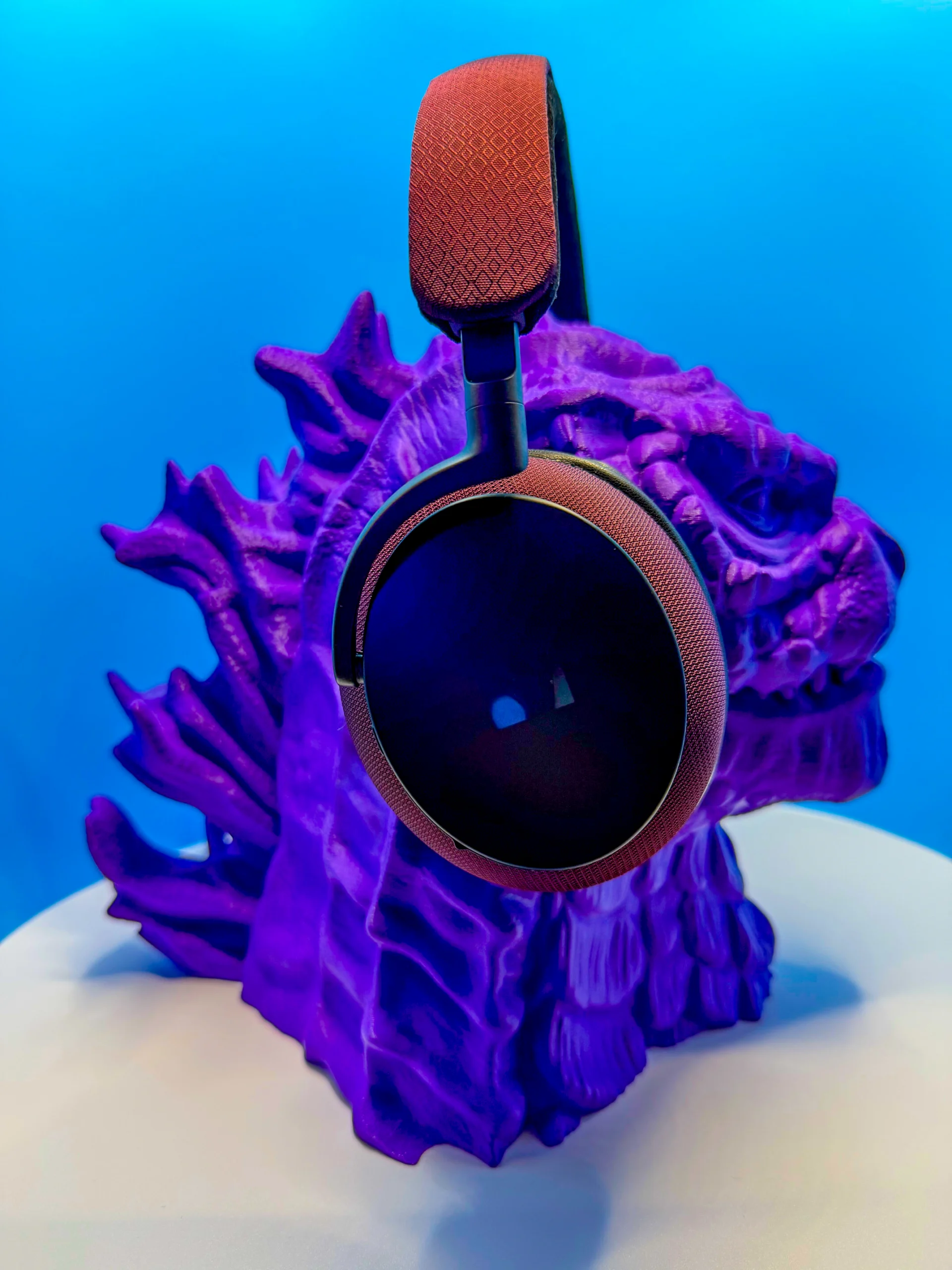
🎼 Sound: The Reason We’re Having This Conversation
Let’s talk about why I’m so enthusiastic about the Apollo Pro.
Not the beautiful finishes.
Not the physical buttons.
Not the ANC.
Not even those impressive battery specs.
The sound.
Because Noble has delivered a wireless headphone that genuinely excites me about listening.
That’s important.
We’re living in an extraordinary era of personal audio.
Affordable IEMs have become remarkably capable.
Wireless headphones offer technologies that would have seemed wildly ambitious not long ago.
Enthusiasts can spend almost unlimited money chasing increasingly subtle improvements.
At some point, the question becomes less about what equipment can do and more about how much we enjoy using it.
And I really enjoy the Apollo Pro.
Published reviews from Headfonia and Headfonics describe the Pro as a more mature, balanced refinement of the original Apollo, with tighter bass control and better midrange presence.
That provides useful context.
But another reviewer’s sonic impressions aren’t automatically mine.
What I can say is that the Apollo Pro delivers an overall sound quality I genuinely love.
Importantly, Noble doesn’t make me accept one fixed tuning as the only answer.
That flexibility might be my favorite part.
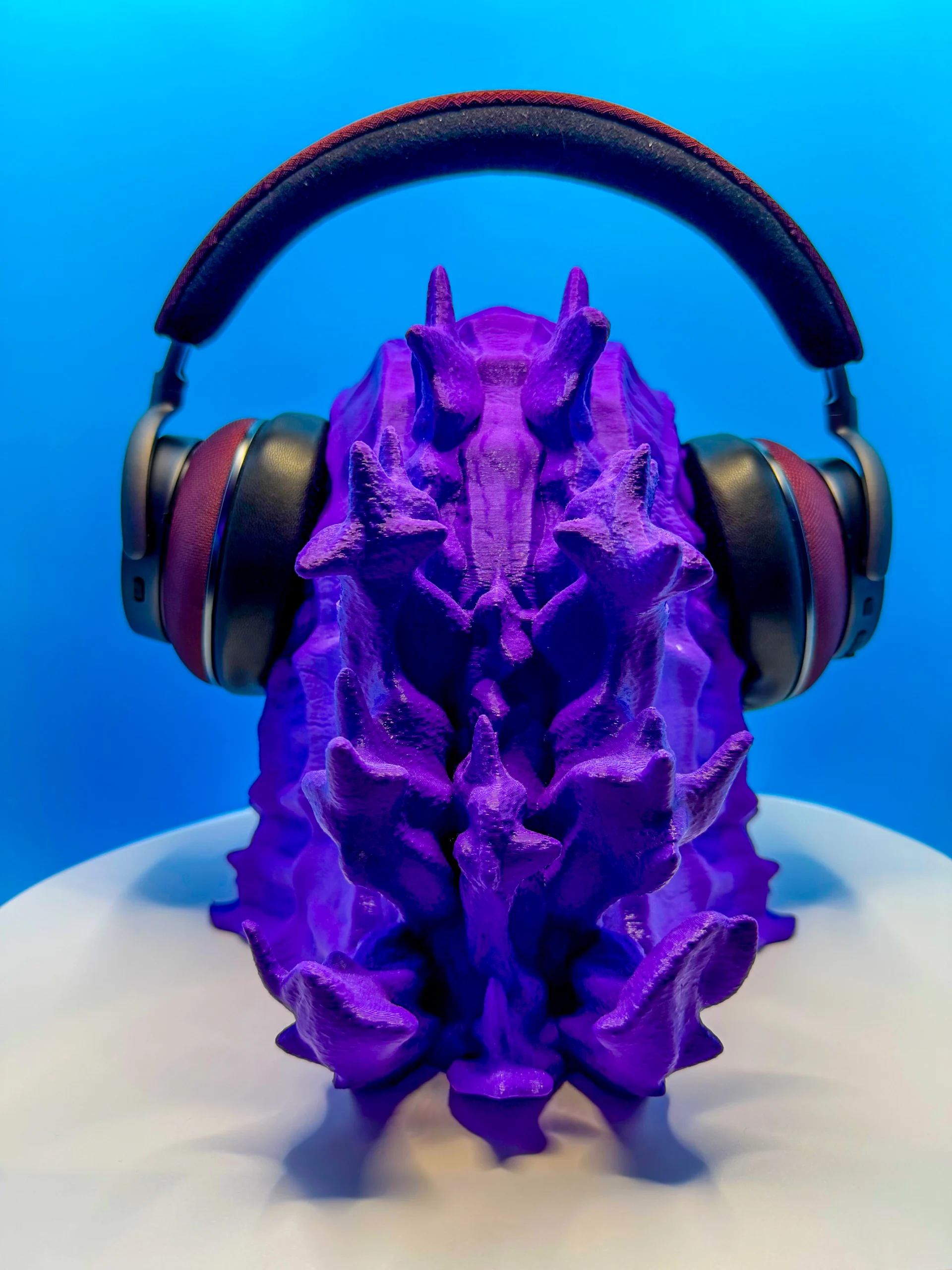
🥁 Bass: A Foundation With Authority
The Apollo Pro’s 40mm dynamic driver is central to its low-frequency architecture.
And that’s an interesting choice when paired with a dedicated planar magnetic driver.
Rather than relying on a single driver for the entire presentation, Noble has designed a hybrid system intended to combine physical bass energy with upper-frequency articulation.
Independent reviewers describe the Pro as retaining the original Apollo’s satisfying low-frequency impact while reducing the extra mid-bass emphasis that could occasionally dominate the presentation.
That sounds like a sensible direction.
I’ve never believed that excellent bass means the largest possible amount of bass.
I appreciate powerful low frequencies.
My love for the ZiiGaat Doscinco should make that obvious.
But I also want control.
I want bass that supports the rhythm.
Bass that contributes physical energy without burying vocals or obscuring instruments.
And I want enough flexibility to change the experience when the music calls for something different.
That’s where the Noble EQ becomes especially interesting.
Instead of forcing listeners to accept a single bass balance, the Apollo Pro offers multiple adjustment points to match personal preferences.
Great bass shouldn’t demand all the attention. It should give the music something worth standing on.
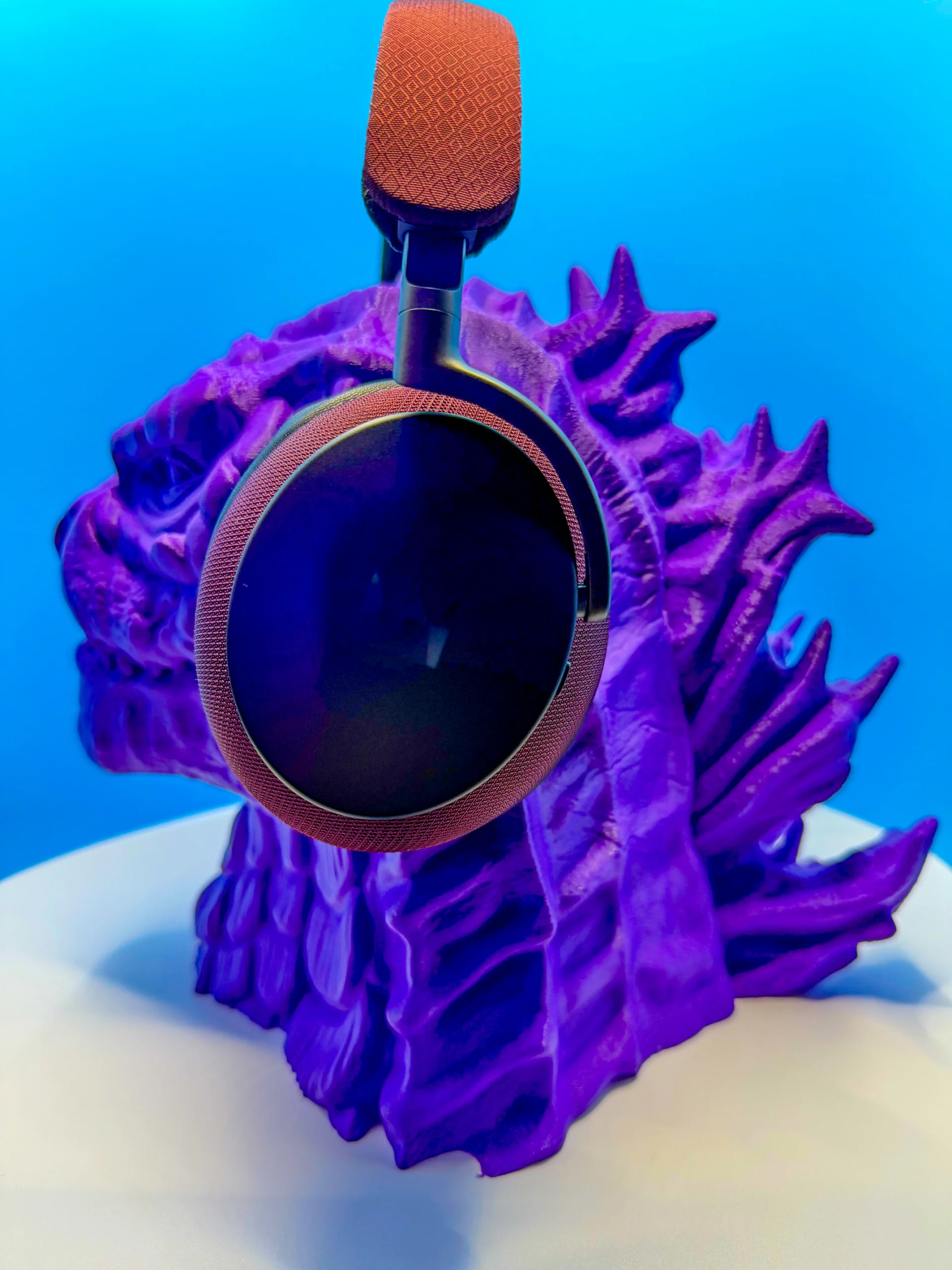
🎤 Midrange & Vocals: Where the Music Becomes Personal
I’ve always been drawn to vocal presentation.
There’s something magical about hearing a voice occupy its own space within a recording.
Not necessarily pushed aggressively forward.
Not artificially sharpened.
Just present.
Believable.
Emotionally connected to the performance.
And this is an area where Noble’s revised tuning deserves attention.
Headfonia reports that the Apollo Pro offers greater midrange presence than the original model, bringing voices and instruments more clearly into the presentation without sacrificing its engaging character.
That’s encouraging.
Because powerful bass and energetic treble can sometimes come at the expense of the midrange.
But here’s what makes the Apollo Pro particularly appealing to me.
I can experiment.
I can explore how a little additional vocal presence changes a favorite recording.
I can adjust the relationship between warmth, clarity, and upper-midrange energy.
And I can do it through an application that makes the equalizer incredibly easy to reach.
I don’t want headphones that tell me where every voice belongs. I want headphones that let me find the presentation I enjoy most.
🎯 Instrument Separation & Placement: Keeping the Music Organized
Instrument separation is one of those audiophile terms thrown around so often that I sometimes wonder if we’ve forgotten what it means.
A headphone isn’t necessarily more resolving simply because certain instruments are louder.
And a recording doesn’t become more technically impressive because the treble draws attention to every cymbal strike.
What I want is organization.
I want instruments to occupy believable positions within the arrangement.
I want the rhythm section to stay clear when the music gets complicated.
I want to follow a guitar, keyboard, or background vocal without feeling like the entire presentation is collapsing into one enormous wall of sound.
The Apollo Pro’s hybrid architecture gives Noble an interesting engineering foundation.
But the architecture alone doesn’t prove superior separation.
Execution matters.
Published reviews praise the Pro’s clarity and improved organization compared with its predecessor.
For me, the bigger accomplishment is that the Apollo Pro delivers a musical experience compelling enough to make me want to revisit familiar recordings.
And that’s always encouraging.
Great headphones don’t simply play everything. They make you want to listen to everything.
🏟️ Soundstage & Imaging: My Favorite Rabbit Hole
Ah, soundstage. You knew we’d get here eventually. If one thing sends me tumbling down the audiophile rabbit hole, it’s chasing that wonderfully holographic listening experience where instruments occupy their own space, vocals seem to float, and the music feels bigger than the headphones delivering it.
Give me width, depth, air, and convincing placement, and I’m one happy kaiju.
Now, creating that illusion with closed-back wireless headphones isn’t exactly easy. Sealed earcups, ANC, and digital processing all shape how we experience space, and I’m not about to pretend the Apollo Pro operates under the same acoustic conditions as a great open-back headphone. But that doesn’t mean a closed-back design can’t deliver an enjoyable sense of dimension. It simply means we need to be realistic about what we’re hearing.
Here’s where I get particular. A wide soundstage isn’t automatically a great soundstage. I’ve heard headphones that spread instruments impressively from left to right but leave everything sounding like it’s standing in the same straight line. That’s not holographic. That’s a musical police lineup.
What I really want is convincing front-to-back layering, precise positioning, and enough breathing room for individual instruments to shine without making the performance feel disconnected.
And let’s not confuse treble sparkle with genuine spatial performance, either. A brighter presentation can create an impression of openness, but that doesn’t necessarily mean the headphone reveals more detail or places instruments more accurately.
For me, the magic happens when everything feels naturally organized, from the vocalist up front to the percussion farther back, with subtle textures finding their own places in the arrangement.
That’s why GearZilla evaluates width, depth, imaging, and separation independently.
I’m not chasing the biggest imaginary concert hall. I’m chasing the most convincing musical experience.
Because when a headphone gets that balance right, you stop worrying about where the sound is coming from and start getting lost in where the music takes you.
🔬 Detail & Resolution: Bright Doesn’t Automatically Mean Better
One of my favorite audio experiences is hearing familiar music reveal itself in a new way.
A subtle background harmony.
The texture of a string.
The decay of a note.
A tiny detail in the arrangement that becomes easier to follow.
But I also think we need to be careful not to confuse brightness with resolution.
Increasing upper-midrange or treble energy can make certain sounds more noticeable without necessarily improving a headphone’s fundamental resolving capability.
That’s why I appreciate manufacturers that take tonal balance seriously.
Independent reviews of the Apollo Pro highlight improved coherence and a cleaner overall presentation compared with the original.
And that’s consistent with the larger story Noble seems to be telling.
This isn’t about removing all the fun in pursuit of a sterile analytical signature.
It’s about creating a more sophisticated and enjoyable listening experience.
And the EQ adds another dimension.
Want to explore how a slightly different upper-frequency balance changes perceived detail?
You can.
Want to return to the original tuning?
You can do that, too.
There’s a difference between turning up the lights and revealing what’s actually in the room.
✨ Treble & Air: Give the Music Room to Breathe
I enjoy an articulate upper end.
I like sparkle.
I appreciate air and openness.
But I’ve also heard plenty of headphones and IEMs where upper-frequency energy eventually becomes exhausting.
Brightness isn’t automatically detail.
And subdued treble isn’t automatically smoothness.
The magic is finding a balance that brings recordings to life without constantly reminding you that you’re listening to equipment.
Noble’s planar magnetic driver contributes to its hybrid acoustic architecture, while independent reviews describe the Apollo Pro as smoother and more controlled through the upper frequencies than the original Apollo.
That combination makes it an interesting headphone for listeners who want clarity without an aggressively analytical presentation.
For me, the attraction remains the complete experience.
And the freedom to adjust it is a significant part of that appeal.
🎵 Tonality & Timbre: Knowing When to Leave Well Enough Alone
This hobby tempts you to treat every piece of equipment as a problem that needs a solution.
Not enough bass?
EQ it.
Too much treble?
EQ it.
Vocals not quite where you want them?
Time to start moving sliders.
And I absolutely love having those tools.
But here’s an important distinction.
The best use of an equalizer isn’t necessarily fixing a bad headphone. Sometimes it’s personalizing a good one.
That’s how I approach the Apollo Pro.
I don’t see its extensive EQ as an admission that Noble couldn’t tune the drivers properly.
I see it as recognition that listeners have different preferences.
Recordings vary.
Hearing varies.
And a little personalization can make an already enjoyable headphone feel even more satisfying.
A premium headphone shouldn’t require the listener to agree with every tuning decision the manufacturer made.
It should reward exploration.
Noble knows sound. But it also knows your ears aren’t identical to mine.
🎛️ The Secret Weapon: Noble’s 10-Band EQ
Every great superhero has a secret weapon.
For the Noble FoKus Apollo Pro, it might just be hiding in plain sight.
The Noble FoKus app.
More specifically, its 10-band equalizer.
I know what you’re thinking.
An equalizer? Really? That’s what we’re getting excited about?
Absolutely. And hear me out.
I’ve spent enough time experimenting with headphones, IEMs, DACs, and digital sound processing to appreciate the difference between an EQ that checks a marketing box and one that actually improves the listening experience.
Noble gets something wonderfully simple right.
It makes you want to use the EQ.
Not because it’s revolutionary. Not because ten sliders are somehow groundbreaking. But because the feature is accessible, intuitive, and genuinely useful for tailoring an already impressive headphone to your personal preferences.
And that’s a bigger deal than you might think.
🎚️ Sound Shaping Without the Treasure Hunt
You know what drives me absolutely nuts? Buying a premium pair of headphones only to discover that accessing the equalizer requires the patience of an archaeologist and a map to a buried temple. First, you open settings, find sound preferences, select an audio profile, navigate another submenu, and possibly sacrifice a goat to the Bluetooth gods.
Congratulations! You’ve finally unlocked three sliders and a button labeled “Bass Boost.” Noble apparently decided we’ve suffered enough.
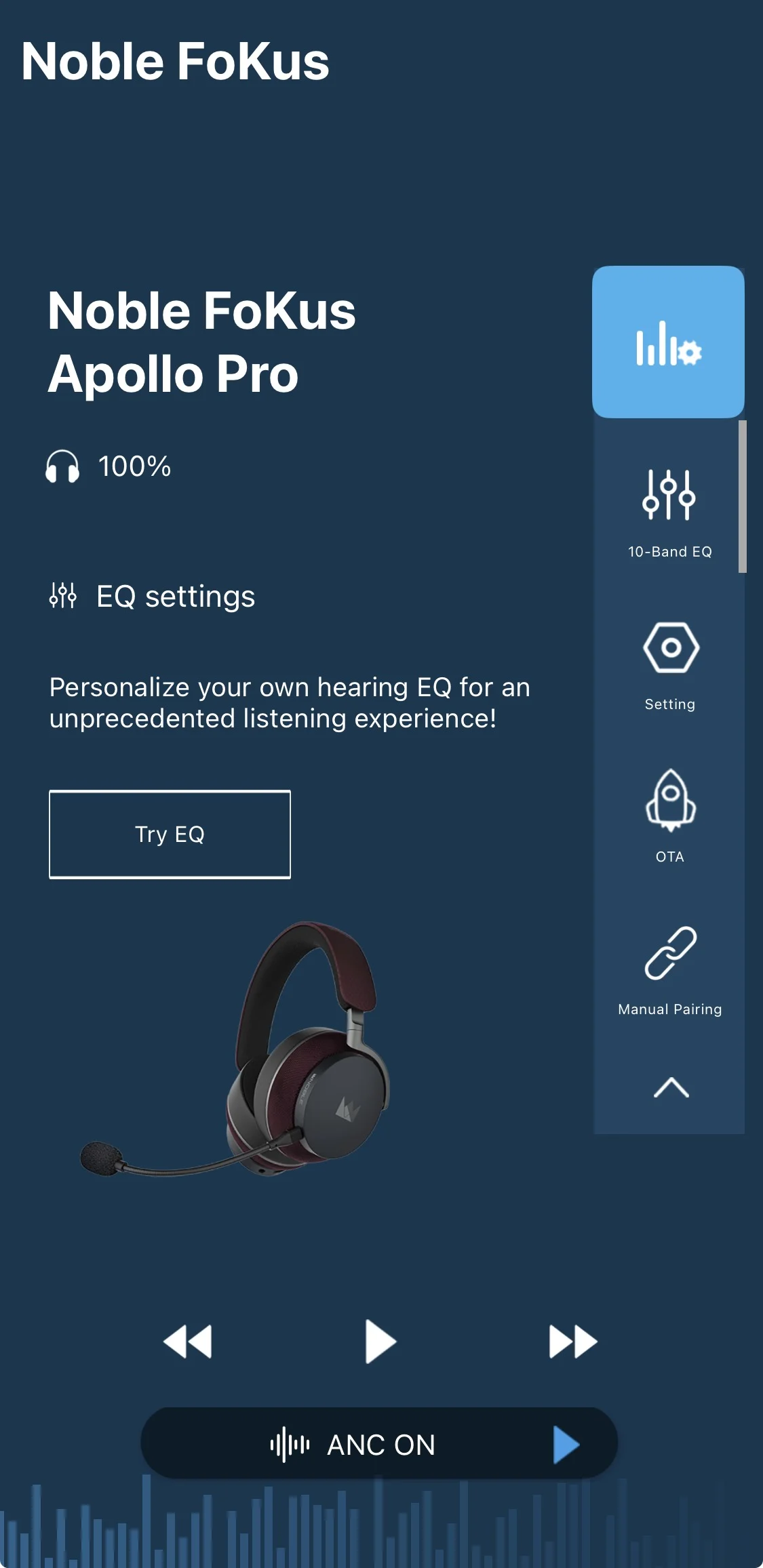
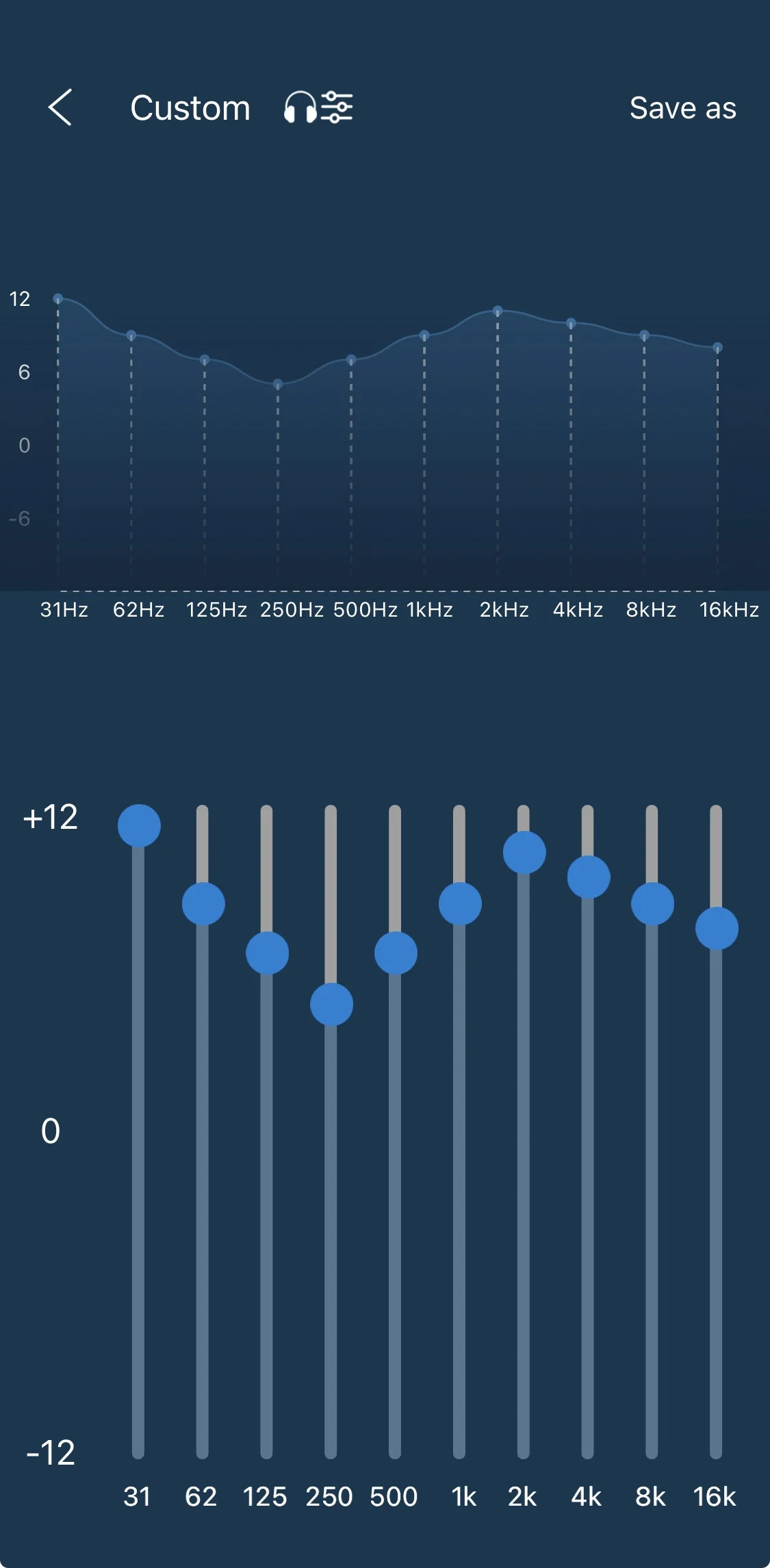
With the Apollo Pro, you can access the 10-band equalizer directly from the FoKus app’s main screen. No treasure hunt, no unnecessary menu diving, and no wondering whether you’ve accidentally stumbled into the firmware settings. Just open the app, access the EQ, and start experimenting. It’s wonderfully simple, and it’s exactly the kind of thoughtful design decision I appreciate in a premium headphone.
Here’s why that matters to me. I’ve never believed that every headphone needs to sound exactly as the manufacturer intended, every single time. Some days, I’m craving a little extra warmth and body. Other days, I want to tighten the low end, bring vocals forward, or add some air and sparkle to the upper frequencies. And occasionally, I just want to see how far I can push a headphone before the music starts filing a formal complaint.
That’s half the fun of this hobby!
Sound is personal, and having the freedom to experiment is part of what makes this journey so rewarding.
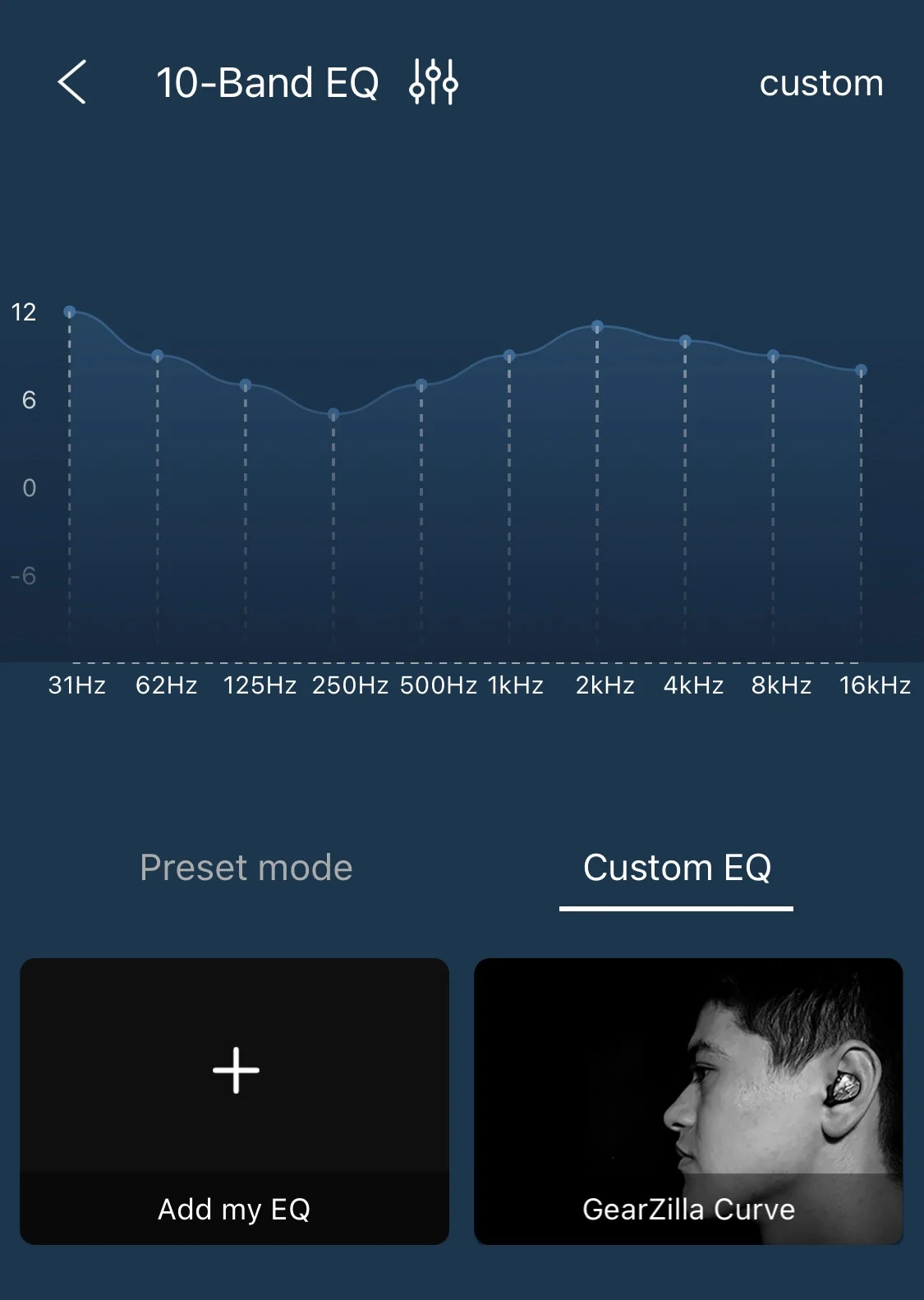
Noble gives you ten adjustable frequency bands and multiple presets, giving you meaningful control over the Apollo Pro’s tonal balance without needing a degree in audio engineering.
To be clear, this is a graphic equalizer, not a fully configurable parametric EQ. You won’t have the same precision to independently adjust center frequencies, bandwidth, and filter behavior. But for everyday listening, where the goal is to tailor the bass, mids, vocal presence, and treble to your preferences, it’s an excellent and approachable solution.
What impresses me most isn’t necessarily the number of bands or the availability of presets. It’s Noble’s understanding that a powerful feature loses value when accessing it becomes a chore.
By placing the EQ front and center, the company encourages listeners to explore their own preferences rather than simply accept a predetermined sound signature.
The best EQ isn’t necessarily the most complicated one. It’s the one you’ll actually use. And Noble absolutely gets that right.
⚡ The EQ Delay: When the Music Plays Catch-Up
Of course, even a secret weapon can have a weakness, and I’ve found one with the Apollo Pro’s equalizer. While the EQ itself is wonderfully accessible, there’s a noticeable delay between moving a slider and hearing the adjustment. In my testing, that delay was approximately one to two seconds, which doesn’t sound like much until you’re trying to fine-tune your favorite recording.
You know that feeling when your Wi-Fi is painfully slow, and you’re scrolling down a webpage, but absolutely nothing happens?
You keep scrolling, wondering whether the internet has decided to take a personal day. Then suddenly, everything catches up at once, and the page goes flying halfway into next Tuesday.
That’s what adjusting the Apollo Pro’s EQ occasionally reminded me of.
You move a slider, wait for the sound to respond, and then compensate with another adjustment because the first one didn’t seem to register. When the changes finally catch up, you’ve pushed things farther than you intended.
Congratulations! You’ve just EQ’d yourself into a problem you now have to EQ your way out of.
For someone who enjoys fine-tuning sound by ear, that delayed feedback can be frustrating. I want to hear a change while the previous presentation is still fresh in my memory, not play a guessing game with sliders that seem to be negotiating with the headphones. It’s especially noticeable when making several small adjustments in succession, where the temptation to overcorrect can turn a simple tweak into an unnecessarily complicated process.
Is it a dealbreaker? Not even close. Once you’ve settled on your preferred settings, the EQ does its job beautifully. But at $699, I expect the software experience to feel as polished as the hardware, and I’d love to see Noble improve that responsiveness in a future update.
The Apollo Pro gives me excellent control over the sound. I just wish the EQ would stop buffering my decisions.
🦖 The GearZilla Take
Here’s what makes this feature stand out.
Noble didn’t simply give the Apollo Pro a capable equalizer.
It made sound customization feel like a natural extension of listening, not another technical chore.
That’s smart design.
The 10 bands provide useful flexibility. The presets offer convenient starting points. And direct access from the main screen makes me far more likely to experiment instead of settling for whatever tuning I selected last Tuesday.
The slight adjustment delay keeps the experience from being perfect, but it doesn’t diminish how much I appreciate having this level of control readily available.
The Apollo Pro already sounds fantastic. The EQ lets me make it sound fantastic my way.
And for an enthusiast who believes that music should move you, not force you to navigate six submenus before it does?
That’s a feature worth celebrating.
🧠 Graphic EQ Versus Parametric EQ
There’s another distinction worth discussing.
The Apollo Pro offers a 10-band graphic EQ, not a fully parametric equalizer.
With a graphic EQ, you adjust predefined frequency bands.
A parametric EQ typically provides more precise control over frequency, gain, and filter bandwidth.
For enthusiasts who enjoy highly targeted corrections, that’s a meaningful difference.
And a fully parametric system would certainly be welcome.
But I also don’t want to diminish how practical the existing EQ is.
Because the best audio feature isn’t necessarily the one with the most technical capabilities.
Sometimes it’s the one you’re actually going to use.
And Noble makes this one incredibly inviting.
The FoKus EQ isn’t laboratory-grade sound calibration. It’s accessible, useful, and genuinely fun sound customization.
And for a wireless headphone, that’s a major win.
🔇 Active Noise Cancellation: The Dog Bark Test
I’ll admit it. I didn’t expect the Noble FoKus Apollo Pro’s active noise cancellation to impress me as much as it did. Noble has built its reputation around sound quality, while Sony, Bose, and Apple have spent years perfecting the art of shutting out the outside world. I expected the music, not necessarily the silence around it.
Then my dog decided to participate in the review.
During one listening session, he started barking, presumably at a squirrel committing the unforgivable crime of existing outside our house. With ANC engaged, the barking became noticeably quieter, enough that I could remain focused on my music instead of being pulled out of the experience.
Anyone who lives with dogs knows barking isn’t exactly a friendly target for noise cancellation. It’s sudden, unpredictable, and spreads energy across a broad range of frequencies. ANC generally performs best against consistent background noise like engines, fans, and air-conditioning systems, so I wasn’t expecting Noble to make my four-legged security system disappear entirely.
And it didn’t. I could still hear the barking, but its reduced intensity made a meaningful difference.
That’s an important distinction because effective ANC isn’t always about creating absolute silence. Sometimes it’s about taking the edge off everyday distractions, so they stop demanding your attention.
The Apollo Pro handled that beautifully, and while I wouldn’t crown it the undisputed noise-cancellation champion without controlled comparisons, its real-world performance exceeded my expectations.
I don’t need ANC to make the universe disappear. I just need it to keep the universe from constantly interrupting my music. And the Apollo Pro did exactly that.
📡 Wireless Range: I Actually Walked Outside
We audiophiles love debating Bluetooth codecs, transmission speeds, and wireless specs, but we sometimes overlook the simplest question: Does the darn thing actually stay connected? Because nothing ruins a great listening session faster than your favorite song suddenly sounding like a skipping CD.
Naturally, I decided to conduct a highly sophisticated real-world experiment.
I started listening, walked away from my source device, moved through the house, and eventually stepped outside to bring the garbage cans in from the curb. No laboratory equipment, no engineers with clipboards, just me, the trash cans, and some excellent music. And you know what? The Apollo Pro kept playing without missing a beat.
No dramatic signal collapse, no unexpected dropouts, and no frantic dash back toward my phone.
Noble lists a nominal operating range of 10 meters (about 33 feet), but real-world performance depends on building materials, interference, source equipment, and other environmental factors.
I didn’t measure the exact distance, so I’m not about to invent a range figure or claim that I’ve discovered some previously unknown Bluetooth superpower.
What impressed me was the connection’s reliability during ordinary movement. I’ve used wireless headphones that start struggling when a wall gets in the way, but the Apollo Pro let me wander without constantly worrying about where I’d left my source.
The Apollo Pro passed my highly scientific garbage-can test with flying colors. Sometimes, practical reliability tells you more about a product than another page of impressive specs.
☁️ Comfort & Fit: Small Earcups, Big Appreciation
Let me tell you something about headphones. I don’t care how sophisticated the drivers are, how beautiful the frequency-response graph looks, or how many engineers spent sleepless nights perfecting the earcup materials.
If a headphone becomes uncomfortable after an hour, all that engineering brilliance means absolutely nothing to me. Music is supposed to be an escape, not an endurance test.
As I’ve mentioned before, I have relatively small ears, and for once, that works entirely in my favor.
The Apollo Pro’s comparatively compact earcups fit beautifully, creating a supportive seal without making me feel like I’ve strapped two oversized dinner plates to my head. The cushions feel comfortable, the clamping force strikes a pleasant balance, and the overall fit remains secure without creating distracting pressure points. For my ears, Noble absolutely nailed the ergonomics.
What impressed me most was how that comfort held up over extended listening sessions. I’ve worn the Apollo Pro for hours without the familiar irritation that eventually sends other headphones back to their cases. You know the feeling. Everything seems wonderful for the first thirty minutes, but somewhere around the second album, your ears start filing complaints with management.
With the Apollo Pro, that moment never arrived. I could move through entire albums, chase down familiar tracks, and completely lose track of how long I’d been listening.
At 327 grams, the Apollo Pro isn’t a featherweight on paper, but weight distribution matters just as much as the number on the scale. The headband, cushions, clamping pressure, and earcup geometry work together to make these headphones feel remarkably comfortable during extended use.
Of course, listeners with larger ears or different head shapes may have a completely different experience, and those compact housings won’t necessarily suit everyone.
But for me? The Apollo Pro doesn’t simply fit my ears. It fits the way I actually listen. And that’s a compliment I don’t give lightly.
🎙️ Call Quality & Microphone: Wait, It Comes With a Boom Mic?
Here’s something I appreciate about the Apollo Pro. While most premium wireless headphones rely entirely on built-in microphones for phone calls and video meetings, Noble included another option: a detachable boom microphone, right in the box. In an era when manufacturers sometimes treat basic accessories like luxury upgrades, that’s a refreshing surprise.
The Apollo Pro features built-in microphones with Qualcomm’s cVc 8.0 noise-canceling technology, designed to help reduce background noise during conversations. The included detachable boom microphone adds an option for voice-focused activities like video meetings, gaming, or long conversations.
It also has a dedicated physical microphone mute switch, which I appreciate far more than hunting through software menus when someone unexpectedly joins a meeting.
As for actual call quality? It worked just fine, and that’s exactly what I wanted. During my conversations using the Apollo Pro, nobody complained about difficulty hearing me, poor clarity, or distracting microphone issues. Nobody asked me to repeat myself or switch devices. Conversations simply happened, which is a pretty good outcome for a headphone whose primary attraction is its musical performance.
I’m not going to pretend this was a professional microphone evaluation or that the Apollo Pro replaces dedicated recording equipment. But I do appreciate its versatility.
I can enjoy my music without a microphone dangling in front of my face, attach the boom mic when communication becomes the priority, and get back to listening when the conversation ends.
Nobody complained, nobody asked me to repeat myself, and I didn’t have to think about the microphone. Sometimes the best compliment you can give a communication feature is that it never became a problem.
🥊 Noble Apollo Pro vs. Sony XM6 vs. Bose QuietComfort Ultra vs. Apple AirPods Max
At $699, the Noble FoKus Apollo Pro isn’t entering an empty arena. It’s stepping into the ring with three wireless heavyweights: the Sony WH-1000XM6, Bose QuietComfort Ultra, and Apple AirPods Max. Unlike someone comparing spec sheets, I’m approaching this conversation from a particularly interesting position.
I own all three competitors, and my perspective comes from more than a year of living with them.
Yes, all three. Do I need three premium wireless headphones? Absolutely not. Can I justify owning every single one? Give me five minutes and a PowerPoint presentation. Am I a little bit of a lunatic? Probably. But each serves a purpose, and that’s part of the fun of this hobby. The Apollo Pro joined the collection temporarily as a review loaner, letting me experience Noble’s approach alongside three headphones I’ve come to know through everyday listening.
Sony’s WH-1000XM6 is the technology powerhouse, combining sophisticated noise cancellation, intelligent features, extensive processing, and a polished companion app. It’s the kind of headphone that seems determined to anticipate your every need, occasionally before you’ve even figured out what that need is. Bose’s QuietComfort Ultra is my comfort and isolation specialist, offering a refined everyday experience that makes it particularly appealing when the goal is escaping a noisy environment. Meanwhile, Apple’s AirPods Max is the ecosystem champion, pairing premium construction, effective ANC, excellent transparency, and immersive spatial audio with effortless device integration that makes Apple users feel right at home.
So where does that leave Noble?
The Apollo Pro isn’t trying to outsmart Sony, out-isolate Bose, or out-Apple Apple. It’s making a different argument entirely.
Its hybrid driver architecture, engaging sound, accessible 10-band EQ, and excellent comfort create a listening experience that speaks directly to my audiophile instincts. I love technology, appreciate effective noise cancellation, and enjoy the convenience of a connected ecosystem. But when I put on headphones for the pure pleasure of listening, my priorities shift toward musicality, separation, detail, and that elusive sense of immersion that makes a familiar recording feel new again.
Now, I won’t declare Noble the undisputed champion of wireless headphones. Each model has strengths, and my extended ownership of the Sony, Bose, and Apple gives me valuable perspective, not a laboratory-certified verdict. But the Apollo Pro made an impression that went well beyond its specifications. It reminded me that a premium wireless headphone doesn’t need to dominate every category to be special.
Sony brings the technology. Bose delivers the tranquility. Apple masters the ecosystem. Noble makes me want to sit down, put on an album, and forget about everything else.
And considering the company it kept during my review period, that’s one heck of a compliment.
Now, whether I need to add a fourth premium wireless headphone to my collection is a different question entirely.
Somebody hide my wallet.
💰 Costly vs. Expensive: The $699 Question
Let’s address the $699 monster in the room. The Noble Audio FoKus Apollo Pro isn’t cheap, and I get it when you look at that price and wonder whether we’ve officially wandered into diminishing-returns territory. It’s a fair question, especially when today’s wireless headphones deliver excellent sound, capable ANC, impressive comfort, and a mountain of features for considerably less money. So what exactly are you getting for that additional investment, and more importantly, is it worth it?
I’ve always believed there’s a meaningful difference between something being costly and something being expensive.
Costly describes what you pay. Expensive describes whether what you receive justifies that price. That’s where the Apollo Pro makes an interesting argument: value in this hobby isn’t always something you can measure with a spec sheet or a frequency-response graph.
Let’s acknowledge something before the audiophile community starts sharpening its pitchforks: diminishing returns are absolutely real. Spending twice as much on a headphone doesn’t magically deliver twice the resolution, twice the soundstage, or twice the enjoyment. If only our wallets were rewarded so generously!
But here’s where I think that conversation often misses something important. Not every improvement matters equally to every listener. I might not care about having another clever touch gesture or automated feature, but give me an engaging sound signature, outstanding comfort, premium construction, and a genuinely useful 10-band EQ, and suddenly we’re speaking my language.
And that brings me to a question I found myself asking during my time with this review loaner: Could the Apollo Pro be the kind of wireless headphone that finally makes me stop looking for the next one? Given that I already own Sony, Bose, and Apple flagships, I don’t ask that lightly. Yet the Noble’s combination of musicality, comfort, reliable connectivity, effective noise cancellation, and accessible sound customization made me seriously consider it.
There’s something satisfying about finding equipment that makes you want to explore your music collection rather than browse for your next upgrade.
Of course, I’m not suggesting that technology suddenly stops evolving once you’ve spent $699. Batteries age, Bluetooth standards change, and manufacturers will inevitably introduce something new and shiny to tempt us. That’s why I also appreciate the Apollo Pro’s ability to operate through a passive 3.5mm analog connection, letting you listen wired without relying entirely on a charged battery.
It’s a welcome consideration for long-term ownership, although battery replacement options, repairability, and future parts availability are questions worth investigating before making this kind of investment.
Ultimately, I don’t think the smartest purchase is automatically the least expensive, and I don’t think spending more guarantees greater satisfaction.
The real question is whether the experience justifies the investment over the time you actually use and enjoy it.
A cheaper pair of headphones that leaves you perpetually searching for something better may not deliver the same personal value as one that keeps you happily listening for years. That doesn’t make the Apollo Pro the right choice for everyone, but it certainly explains why I find its proposition so compelling.
The Apollo Pro is costly. Whether it’s expensive depends on what exceptional sound, genuine comfort, and long-term listening satisfaction are worth to you.
After my time with it, I understand why someone would pay the premium. The real danger isn’t that Noble has priced the Apollo Pro at $699. It’s that this loaner has me seriously considering spending $699 of my own money.
👹 Who Is the Apollo Pro For?
The Noble Audio FoKus Apollo Pro isn’t for everyone, and frankly, I don’t think it should be. This is a headphone for someone who believes great sound should be the main attraction, not simply another feature buried somewhere between noise cancellation and Bluetooth connectivity.
It’s for listeners who get excited about discovering hidden details in familiar recordings, appreciate an engaging, spacious musical presentation, and want the freedom to shape their sound rather than accept whatever tuning the manufacturer decided was best.
It’s also a compelling choice for enthusiasts who appreciate thoughtful design. The physical controls, premium materials, distinctive styling, comfortable fit, and accessible 10-band EQ all contribute to an experience that feels intentionally built around listening.
For someone who would rather invest in one satisfying pair of wireless headphones than keep chasing the next shiny release, the Apollo Pro makes a persuasive case. Of course, this is coming from a guy who owns three premium wireless flagships, so I may not be the ideal spokesperson for headphone restraint.
That said, there are legitimate reasons to look elsewhere. If your priorities are cutting-edge ANC, smart features, and maximum everyday convenience, Sony and Bose offer formidable alternatives. Apple’s AirPods Max makes sense for listeners who value seamless ecosystem integration and spatial audio. And if automatic wear detection or a compact folding design is high on your wish list, Noble’s omissions deserve consideration.
The Apollo Pro also carries a $699 price tag, and no headphone, regardless of how impressive it sounds, is worth compromising your financial priorities.
But if you’re the kind of listener who measures a headphone’s worth by how often it makes you forget about everything else and reach for another album, Noble has created something worth serious consideration.
The Apollo Pro isn’t trying to be everything to everyone. It’s meant for people who put music first. And after spending time with it, I’d say Noble understands that audience remarkably well.

The Noble Audio FoKus Apollo Pro delivers a thoroughly enjoyable musical experience, combining an engaging hybrid driver presentation with exceptional comfort, premium construction, and reliable wireless performance. But at $699, enthusiasm alone doesn’t earn a perfect score. Missing features, software limitations, and a substantial price premium are worth considering.
Here’s how the Apollo Pro stacks up on the GearZilla scale.
✨ Clarity: 4.7/5
The Apollo Pro delivers a clear, engaging presentation that makes listening enjoyable without turning every recording into an analytical exercise. Its articulation and musical cohesion are among the strongest aspects of the experience.
🎤 Midrange & Vocals: 4.6/5
A very favorable midrange presentation, with the flexibility to shape vocal presence through EQ. For listeners who prioritize vocals, the Apollo Pro offers an appealing foundation, although its spatial presentation and vocal projection should be considered separately.
🥁 Bass: 4.7/5
The 40mm dynamic driver anchors Noble’s hybrid architecture, while the EQ adds flexibility to tailor low-frequency emphasis. A promising combination of musical enjoyment and tuning versatility.
🎯 Separation & Placement: 4.7/5
The Apollo Pro delivers an engaging listening experience, with instrument organization contributing to the overall presentation. Its ability to create separation is appealing, though separation alone shouldn’t be mistaken for an expansive soundstage.
🏟️ Width & Depth: 4.6/5
An enjoyable spatial presentation within the practical boundaries of a closed-back wireless design. The Apollo Pro creates a compelling listening experience without needing to imitate the exaggerated dimensions sometimes associated with open-back headphones.
🔬 Detail & Resolution: 4.7/5
The Apollo Pro’s perceived clarity and articulation contribute to its musical appeal. Detail retrieval is a key strength of its overall presentation, though treble emphasis and actual resolving power shouldn’t be treated as interchangeable.
✨ Treble & Air: 4.6/5
The hybrid design offers an interesting approach to high-frequency reproduction, with the graphic EQ providing additional adjustment flexibility. The presentation contributes to an enjoyable overall tonal balance.
🦴 Slam & Dynamics: 4.6/5
The Apollo Pro delivers an engaging musical experience, supported by its hybrid driver configuration. Its dynamic character is enjoyable without making exaggerated claims about the performance advantages of combining driver technologies.
🎤 Vocal Lift: 4.6/5
Vocal presentation remains an important part of the GearZilla evaluation. The Apollo Pro offers useful EQ flexibility to adjust vocal presence, though tuning changes cannot independently guarantee a more holographic presentation.
⚡ Speed & Transients: 4.6/5
The Apollo Pro’s presentation is engaging and cohesive. Its hybrid architecture is technically interesting, but the score reflects the overall listening experience rather than assuming the driver types alone deliver superior transients.
🎵 Tonality & Timbre: 4.7/5
One of the Apollo Pro’s most appealing qualities is its overall musical enjoyment. Its presentation encourages extended listening rather than making the experience feel like a technical demonstration.
🎛️ Tuning & Sound-Shaping Flexibility: 4.4/5
The accessible 10-band graphic EQ is a welcome feature that makes tonal experimentation simple and enjoyable. However, the absence of a fully parametric EQ and the noticeable one-to-two-second adjustment delay prevent a higher score. At $699, I’d expect more precise tuning and faster responsiveness.
☁️ Comfort & Fit: 5.0/5
A standout achievement for my ears. The compact earcups, supportive cushioning, and evenly distributed pressure let me listen for hours without discomfort. Comfort is subjective, but my personal experience was exceptional.
🎨 Design & Build: 4.8/5
Premium materials, attractive finishes, and purposeful construction make these headphones feel appropriately sophisticated. The overall design makes a strong impression, although the lack of automatic wear detection is a surprising omission at this price.
🔇 Active Noise Cancellation: 4.5/5
The Apollo Pro exceeded my expectations for everyday listening, including successfully reducing my dog’s barking. It delivers effective, practical noise cancellation, though I’m not ready to call it superior to the established ANC heavyweights from Sony, Bose, and Apple.
📡 Wireless Connectivity: 5.0/5
One of the most impressive practical aspects of my review. The Apollo Pro maintained a stable connection as I moved through the house and stepped outside to retrieve the garbage cans. No interruptions, no dramatic dropouts, and no need to babysit the Bluetooth connection.
🎙️ Microphone & Call Quality: 4.5/5
Calls were clear enough that nobody complained or asked me to repeat myself. The included detachable boom microphone and physical mute control add useful flexibility, though they don’t replace dedicated professional recording equipment.
📦 Accessories & Travel Practicality: 4.3/5
The included boom microphone and protective case are welcome additions, but the non-folding design makes the package bulkier to travel with. The lack of automatic wear detection also detracts from the everyday convenience expected of premium wireless headphones.
💰 Price-to-Performance: 4.3/5
This is where the Apollo Pro faces its toughest challenge. At $699, it delivers outstanding sound, premium build, excellent comfort, and effective ANC. However, competing headphones offer extensive features and capable sound at lower prices. The missing PEQ, lack of wear detection, EQ latency, and limited folding portability make it hard to give it a higher value score.
The Apollo Pro delivers premium performance, but it doesn’t deliver every premium feature.
🦖 Overall GearZilla Score: 4.3/5
Excellent musical enjoyment. Premium construction. A few compromises that matter.
The Noble Audio FoKus Apollo Pro is one of those headphones that reminds me why I love this hobby. Its engaging sound, excellent comfort, thoughtful design, and reliable wireless performance make it genuinely enjoyable to use. During my review period, I kept finding reasons to put it back on, explore another album, and spend a little more time with the music.
But $699 headphones deserve serious scrutiny. The absence of parametric EQ and automatic wear detection, the slight delay when adjusting the equalizer, and the non-folding construction are all meaningful shortcomings. None fundamentally undermines the listening experience, but collectively they prevent the Apollo Pro from earning a higher overall rating.
The Apollo Pro earns its 4.3/5 not because it does everything, but because it does the things I value most remarkably well.
And perhaps the most telling part of this entire review? The Apollo Pro was a loaner, and I already own premium wireless headphones from Sony, Bose, and Apple.
Yet I’m still thinking about buying one.
That might be the highest compliment I could give it.
🦖 Final Roar: Noble Knows Sound
I’ve spent more than two decades around technology, storytelling, and enough audio gear to make my wallet question my life choices. And if there’s one thing I’ve learned, it’s that manufacturers love promising the next big thing. Bigger specs, smarter features, more processing, and enough marketing buzzwords to fill a dictionary.
Sometimes the technology lives up to the hype. Other times, I suspect the marketing department deserves a bigger bonus than the engineers.
The Noble Audio FoKus Apollo Pro is different. And I love that about it.
Noble isn’t trying to cram every possible feature into these headphones. Instead, the Apollo Pro makes a simple argument: What if the best thing about premium headphones is how much you enjoy listening to them?
After spending time with this review loaner, I’m buying into that idea. Well, maybe not literally. At least not yet.
🎯 Not Perfect, But Pretty Darn Good
Let’s get the complaints out of the way. At $699, I expect a lot. The lack of parametric EQ is disappointing, automatic wear detection would’ve been nice, and the non-folding design isn’t exactly travel-friendly. Then there’s the slight EQ delay, which sometimes made me wonder whether the headphones needed management approval before I could change the sound.
These things matter, and they’re part of why the Apollo Pro earns a 4.3/5 GearZilla score instead of something closer to perfection.
But here’s the funny part. Despite those shortcomings, I absolutely loved listening to these headphones.
The build feels premium, the styling has personality, and the physical buttons are a welcome break from tapping and swiping at invisible controls. The smaller earcups fit my ears beautifully, and I could listen for hours without discomfort.
The ANC even quieted my dog’s barking, and Bluetooth stayed connected during my highly scientific journey outside to bring in the garbage cans.
Some reviewers use fancy testing labs. GearZilla takes out the trash.
🎶 The Music Is the Main Attraction
What really won me over was the sound. The Apollo Pro’s hybrid drivers delivered energy and enjoyment that kept me reaching for another song.
When the bass got rowdy and the tempo picked up, these headphones were an absolute blast. But they were just as welcome when I slowed things down with soulful vocals and more thoughtful arrangements.
And that 10-band EQ? I loved being able to shape the sound without searching through a maze of menus. Sure, I’d prefer a full parametric EQ, but Noble makes experimenting easy.
Great sound should be personal. What makes my ears happy might not work for yours.
I found myself jumping between genres, exploring familiar albums, and occasionally forgetting I was supposed to be reviewing anything.
Imagine that! An audiophile actually enjoying music instead of analyzing equipment. Somebody alert the forums.
💰 The $699 Question
Is the Apollo Pro costly? Absolutely. Is it expensive? That depends on what matters to you.
I already own premium wireless headphones from Sony, Bose, and Apple. Each has its strengths, and each serves a purpose. Noble doesn’t replace everything those headphones do well, but it brings something different to the party.
It makes me want to keep listening.
And sometimes that’s worth more than another dozen smart features.
Now I’m sitting here with three perfectly good wireless headphones, seriously considering buying a fourth. Do I need another one? Of course not. But when did this hobby become entirely rational?
🦖 One Last Roar
The Apollo Pro isn’t perfect, and at $699, those missing features deserve attention. But it delivers something that no specification sheet can fully explain: the simple joy of putting on headphones and getting lost in your favorite music.
That’s what made this review loaner special to me.
And the hardest part of reviewing a great loaner isn’t writing about it. It’s packing it back into the box when the fun is over.
Something tells me returning this one will lead to a very uncomfortable conversation with my wallet.
Noble knows sound. And it shows.

🎶 GearZilla Listening Playlist: Let the Music Decide
Every GearZilla Field Report deserves a soundtrack, and this time I wanted something fresh. We’re talking new music, big personalities, outrageous bass, silky vocals, and arrangements that occasionally make me wonder whether the musicians were competing to see how many instruments they could fit into a single recording. The Noble Audio FoKus Apollo Pro proved especially entertaining with bass-heavy music and fast-moving tracks, so naturally, I leaned into that enthusiasm before exploring its more soulful side.
And what a wonderfully chaotic musical journey this became. From Megan Thee Stallion, Ice Spice, and Sexyy Red to KAROL G, SZA, Leon Bridges, Olivia Dean, Celeste, and Laufey, I wasn’t about to let a $699 headphone spend its review period politely sipping tea. And yes, DeVotchKa made the rotation, too. Some musical friendships last a lifetime, especially the ones forged during my Denver days.
🔥 Bass, Beats & Beautiful Chaos
1. Megan Thee Stallion – Tina Tuesday Freestyle (2026)
Megan brings a commanding delivery and rhythmic energy that makes me want to test how quickly a headphone can keep up. Her newer material offers another opportunity to explore vocal attack, timing, and the relationship between a powerful delivery and its musical backing. After discovering how much the Apollo Pro enjoyed energetic hip-hop, I wanted to revisit this musical neighborhood.
2. Ice Spice feat. Lil Yachty – Out My Face (My Baby) (2026)
Ice Spice’s newer collaboration brings a different flavor to the bass conversation. I’m interested in how a headphone handles modern hip-hop production, vocal contrast, and low-frequency emphasis without making the overall sound feel congested. Plus, after listening to delicate vocal recordings, you sometimes need something with a little attitude to wake the drivers up.
3. Sexyy Red – SEXY (2026)
Sometimes evaluating premium headphones requires sophistication, restraint, and careful attention to musical nuance. And sometimes it requires Sexyy Red. Her recent release brings unapologetic energy that belongs in a playlist celebrating the fun side of audio. I’m particularly interested in bass impact, rhythmic articulation, and whether the vocals hold up when the production demands attention. Nobody said serious testing had to be boring.
4. KAROL G – LATINA FOREVA (2025)
🎧 Listen on Spotify – Tropicoqueta
¡Ahora sí! KAROL G brings the Latin energy, and “LATINA FOREVA” is exactly the kind of selection I want when exploring rhythmic drive, percussion, and musical excitement. Reggaeton and Latin pop deserve a permanent place in any serious headphone evaluation, especially for a product that makes bass-heavy music so enjoyable. Sometimes the best evidence that you’re enjoying a headphone is realizing you’ve stopped analyzing it and started moving with the rhythm.
🎤 Soulful Voices & Musical Goosebumps
5. Leon Bridges – Your Love Is Electric (2026)
🎧 Listen on Spotify – Happiness Anytime
Leon Bridges has been one of my favorite vocal references for years, and his Happiness Anytime material gives me another reason to bring him into the listening room. “Your Love Is Electric” is an inviting selection for exploring vocal character, rhythmic balance, and musical warmth. This is where I shift my attention from bass impact to the small details that make a soulful performance feel personal.
6. SZA – Take You Down (2025)
🎧 Listen on Spotify – SOS Deluxe: LANA
SZA’s expressive vocals and contemporary R&B production offer a terrific contrast to the more aggressive selections earlier in the playlist. “Take You Down” lets me focus on vocal texture, layered production, and how the presentation balances intimacy with atmosphere. I love recordings that encourage me to explore what’s happening behind the lead vocal, particularly when subtle production details help establish the mood.
7. Olivia Dean – So Easy (To Fall In Love) (2025)
🎧 Listen on Spotify – The Art of Loving
Olivia Dean has become one of those artists I can happily leave playing for hours, and The Art of Loving is a wonderful source of soulful, beautifully arranged music. “So Easy (To Fall In Love)” brings a playful, elegant energy that makes it an inviting selection for exploring vocal presence, instrumental texture, and overall tonal balance. It’s the sort of music that reminds me why I appreciate headphones that deliver finesse as convincingly as excitement.
8. Celeste – Could Be Machine (2025)
🎧 Listen on Spotify – Woman of Faces
Celeste is practically a permanent member of the GearZilla testing department by now, and I’m not even paying her a salary. Instead of returning to my familiar reference recordings, I’m exploring her newer Woman of Faces material. “Could Be Machine” is an intriguing choice for exploring expressive vocals alongside a more adventurous arrangement. I want to hear musical character and texture, not simply a polished presentation that makes every singer sound interchangeable.
9. Laufey – Sabotage (2025)
🎧 Listen on Spotify – A Matter of Time
Laufey offers a wonderful change of pace with her blend of jazz influences, orchestral sensibilities, and contemporary songwriting. “Sabotage” is a particularly interesting choice for exploring the contrast between intimate vocal passages and more dramatic musical expression. It also reminds us that spaciousness, timbre, and emotional impact can be just as compelling as thunderous bass. Different music, different priorities, same goal: getting completely lost in the performance.
🎻 The Denver Connection: DeVotchKa
10. DeVotchKa – Til The End Of Time (20th Anniversary Edition) (2026)
Now we’re getting personal. DeVotchKa has held a special place in my heart since my Denver days, and I genuinely believe more audio enthusiasts should explore their wonderfully unconventional musical world. Their blend of theatrical storytelling, folk influences, unusual instrumentation, and orchestral textures makes for a fascinating listening experience.
This anniversary release is a fitting way to bring that musical history into a newer playlist. DeVotchKa’s style encourages me to look beyond bass and treble and think about the relationships between instruments, the arrangement’s atmosphere, and how convincingly a headphone communicates the performance as a whole. If your entire evaluation playlist consists of bass drops and breathy vocals, I promise you’re missing some interesting musical territory.
🦖 The GearZilla Take: Great Sound Doesn’t Have a Favorite Genre
What I enjoyed most about the Apollo Pro was how enthusiastically it handled the more energetic side of my musical rotation. Bass-heavy productions and faster tracks were particular highlights, but a headphone needs more than impressive low-frequency performance to earn my admiration.
My listening habits move from hip-hop and Latin music to soul, jazz, and cinematic instrumentation, sometimes within the same hour. That’s why I enjoy building playlists that challenge different aspects of audio reproduction rather than concentrating on a single carefully curated genre.
And here’s the funny thing. The more time I spend exploring audio equipment, the more convinced I become that the best listening sessions happen when I stop obsessing over the equipment itself. I want headphones that encourage curiosity, invite experimentation, and make me excited to discover what the next track has to offer.
If I start a review intending to evaluate a headphone and end up discovering three new favorite songs, I consider that a pretty successful day at GearZilla headquarters.
Now excuse me. A very serious bass experiment is happening in my living room, and apparently it requires dancing.
Listen Bigger! 🦖
✅ Buy If
- You prioritize excellent sound quality over having every available smart feature.
- You want a premium hybrid dynamic-and-planar magnetic wireless headphone.
- You enjoy experimenting with EQ and customizing your listening experience.
- You prefer tactile physical buttons over touch gestures.
- You want effective ANC without sacrificing your focus on the music.
- You value premium finishes and purposeful design.
- You prefer relatively compact earcups and can establish a comfortable fit.
- You listen for hours and want headphones that don’t become distracting.
- You value strong wireless connectivity and multiple codec options.
- You appreciate having wired listening alternatives.
- You want outstanding manufacturer-rated battery endurance.
- You’re willing to invest in a headphone that could satisfy your listening needs for years.
⛔ Skip If
- Your budget doesn’t comfortably accommodate a $699 headphone.
- Automatic wear detection is essential to your daily routine.
- You expect the most comprehensive collection of smart features.
- You want headphones that fold into the smallest possible travel package.
- You prefer particularly large earcup openings.
- You require fully parametric EQ rather than graphic EQ.
- You expect instantaneous feedback from every equalizer adjustment.
- Maximum ANC performance is your sole purchasing priority.
- You don’t enjoy experimenting with sound customization.
- You’re already completely satisfied with a less expensive wireless headphone.
🧡🦖 GearZilla Verdict: Noble Knows What It’s Doing
Well, this is awkward.
I already own three premium wireless headphones from Sony, Bose, and Apple. Each has its purpose, each has earned its place in my collection, and I have absolutely no business shopping for another one.
Then our friends at Bloom Audio sent over the Noble FoKus Apollo Pro for review.
Now I’ve got a problem.
Not because the Apollo Pro is perfect. At $699, the lack of parametric EQ, automatic wear detection, and a folding design leaves some legitimate room for improvement. And that brief EQ adjustment delay? Noble, my friend, we need to talk.
But here’s the thing. I had an absolute blast with these headphones. Particularly when the bass got rowdy, the tempo picked up, and my playlist wandered into musical territory that would make a traditional audiophile demonstration sound like a library orientation video. The Apollo Pro reminded me that great audio doesn’t always have to be a serious exercise in critical listening. Sometimes it’s about putting on your favorite tracks, turning up the volume, and grinning like an idiot because everything sounds so darn good.
Noble created a headphone that kept me engaged, entertained, and occasionally dancing around the house when nobody was looking. Well, except the dog. But he’s already contributed enough to this review.
🏆 GearZilla Sound-First Design Recognition
Overall GearZilla Score: 4.3/5
That score reflects a headphone I thoroughly enjoyed, but it doesn’t excuse it from the expectations that come with premium pricing. Noble made some decisions I love and left out a few things I genuinely wish it hadn’t. Both deserve recognition.
Would I recommend the Apollo Pro? Absolutely, particularly to someone who prioritizes musical enjoyment over having every convenience feature under the sun. It’s a compelling headphone, not an automatic purchase for everyone, and that’s an important distinction.
As for whether it’s worth $699, I’ve spent this entire review exploring that question, only to discover that the most revealing answer might be sitting in my own shopping cart.
I started this review with three premium wireless headphones and absolutely no intention of buying a fourth.
I finished it with a 4.3/5 rating and a serious temptation to make some very questionable financial decisions.
Well played, Noble. Well played.
🦖 Ready to Hear the Roar?
A monster-sized thank-you to Bloom Audio for loaning the Noble FoKus Apollo Pro for review and giving GearZilla the chance to put these headphones through their paces. As always, the opinions, observations, and rating are entirely my own.
If this review has you curious, Bloom Audio offers the Apollo Pro in Burgundy and Peacock, with shipping options listed on their product page. Check them out and see whether Noble’s sound-first approach deserves a place in your own collection.
🎧 Get Your Noble FoKus Apollo Pro at Bloom Audio
And when you do, tell ’em GearZilla sent ya! 🦖
Just don’t blame me if your wallet starts growling, too. Mine’s already hiding under the bed.
Hear the GearZilla Roar.
Listen Bigger! 🦖
Share This Story, Choose Your Platform!