



✅ Pros: Excellent clarity and resolution, wonderfully clean vocals, tighter and more textured bass than the D1, better separation and placement, smoother upper-mid and treble energy, tiny comfortable shells, a fantastic stock cable, interchangeable 3.5mm and 4.4mm terminations, and a reference-minded tuning that feels much more mature without losing COZOY’s identity.
⛔ Cons: Bassheads will still want considerably more low-end weight and slam, and listeners who prefer a thick, warm, relaxed presentation may find the D2 a little too disciplined. The treble is smoother than the D1, but this is still a clarity-focused IEM rather than a dark or forgiving set.

🦖The Monster Grew Up
The COZOY D1 was one of those little monsters that made more sense the longer I listened.
It wasn’t chasing huge bass. It wasn’t trying to impress me with fake detail or some wild tuning trick. It had a clear point of view: keep the bass controlled, push vocals forward, leave plenty of room for the rest of the music, and let clarity do the heavy lifting.
I liked that.
But I also knew the monster still had room to grow.
The D1 could sound a little sharp at times. Its separation was solid, but it left little to spare. And while it was wonderfully clear, that clarity didn’t always come with the deeper resolution and layering I wanted.
That’s what makes the COZOY D2 so interesting.
This isn’t COZOY throwing out the original idea and starting over. It’s the same DNA, just better developed. The D2 keeps that clean, reference-minded character, but adds more control, more texture, better placement, smoother upper frequencies, and a much stronger overall package.
Then COZOY throws in a fantastic modular cable with swappable 3.5mm and 4.4mm terminations, which immediately makes the D2 feel like a much more complete product.
The D1 showed me what COZOY was trying to build.
The D2 shows me they figured out how to build it better.
🧾 Disclosure
Huge thanks to Tony and the entire Eurotech and COZOY team for continuing to support GearZilla Reviews and for the opportunity to spend time with the COZOY D2.
As always, that support doesn’t buy a positive review. Gear provided to GearZilla Reviews doesn’t guarantee favorable coverage, a particular score, or any influence over my conclusions.
When I reviewed the D1, Tony gave me one line that stuck with me:
“Only by understanding us through the first product can you understand the purpose of creating the upgraded D2.”
At the time, I thought I understood what he meant.
Now I really do.
The COZOY D2 isn’t a completely different monster from the D1. It’s the evolved form.
The D1 introduced COZOY’s tuning philosophy with a clear, open, brighter presentation that favored vocals and control over big bass. It was intentionally different, and I respected that. But it also had some rough edges. Separation was good, not exceptional; resolution didn’t always match the impressive clarity, and the upper-mid and treble energy could occasionally push a little harder than some listeners would prefer.
The D2 takes that same basic philosophy and tightens almost everything around it. The bass has better texture and authority without becoming oversized, vocals remain wonderfully clear, separation improves, placement gets more precise, and the upper frequencies feel smoother and more polished. Then COZOY adds one of the best stock cables I’ve seen in this price range, complete with interchangeable 3.5mm and 4.4mm plugs.
This isn’t COZOY changing direction.
It’s COZOY getting better at being COZOY.
🤯 So This Is What Tony Was Talking About
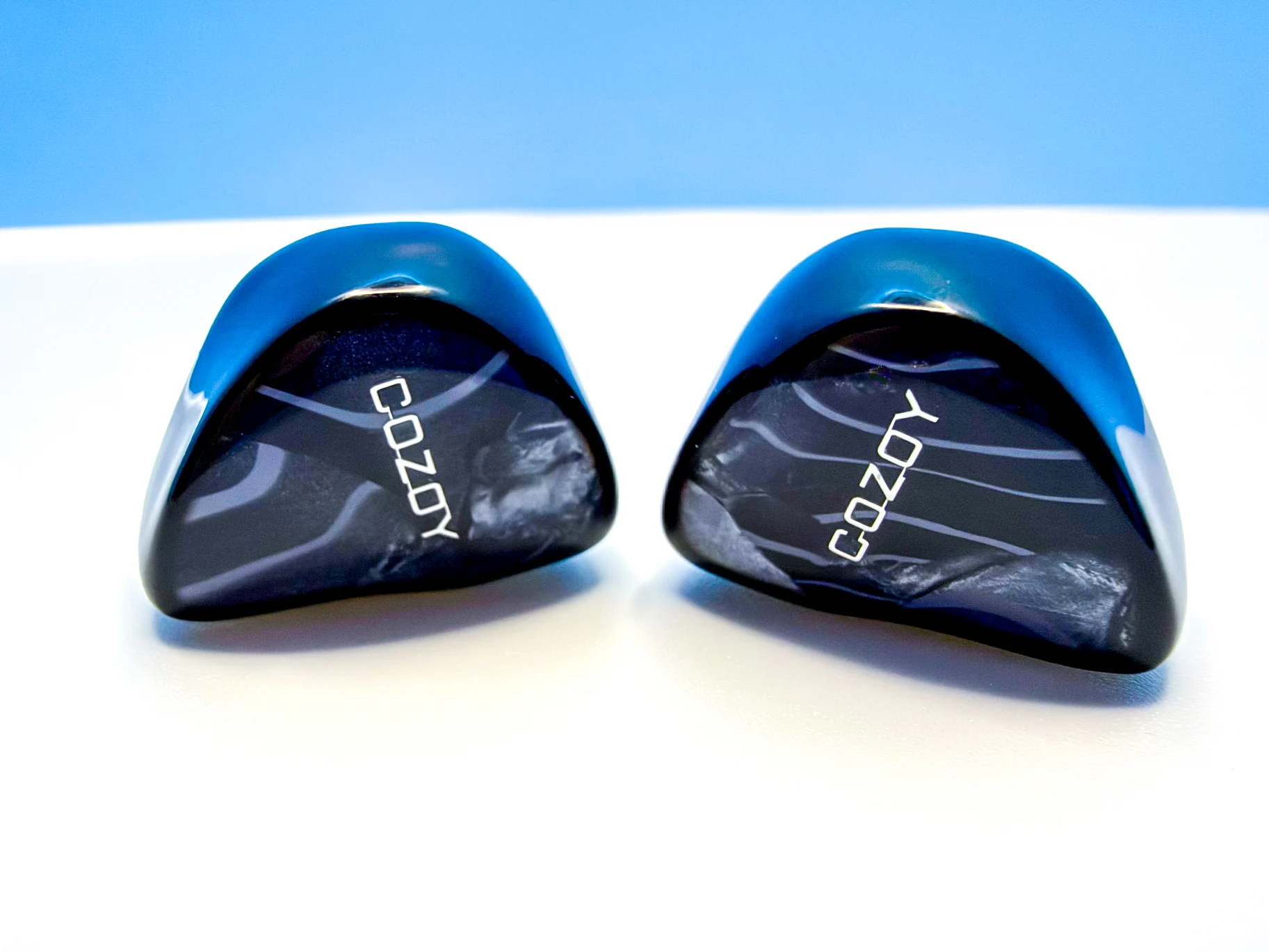
The easiest way to understand the D2 is to go back to the D1.
That little blue monster was built around clarity. Bass stayed controlled, vocals were pushed into the spotlight, and the overall presentation was clean enough that the music felt more open than I expected from something around thirty bucks. It didn’t have huge resolution or massive separation, but it had identity, and that mattered.
The D2 keeps that identity while fixing many of the things that held the D1 back.
The difference isn’t subtle once you spend time with both. The D2 sounds more complete. Notes have better definition, busy sections stay organized longer, vocals feel more natural, and the upper frequencies don’t constantly remind you that you’re listening to a brighter tuning. There’s still plenty of energy, but it feels controlled, not exposed.
That’s the real upgrade.
The D1 showed me what COZOY believed.
The D2 shows me they know how to refine it.
📦 First Impression: Same Family, Bigger Monster
The first thing that stood out wasn’t some dramatic change in tonality. It was how much more polished everything felt.
The D2 still sounds like it belongs in the same family as the D1, but it’s more confident. The low end has greater definition, the midrange feels better supported, and the treble is smoother without losing the openness that made the original interesting.
Then there’s the cable.
COZOY absolutely nailed this part.
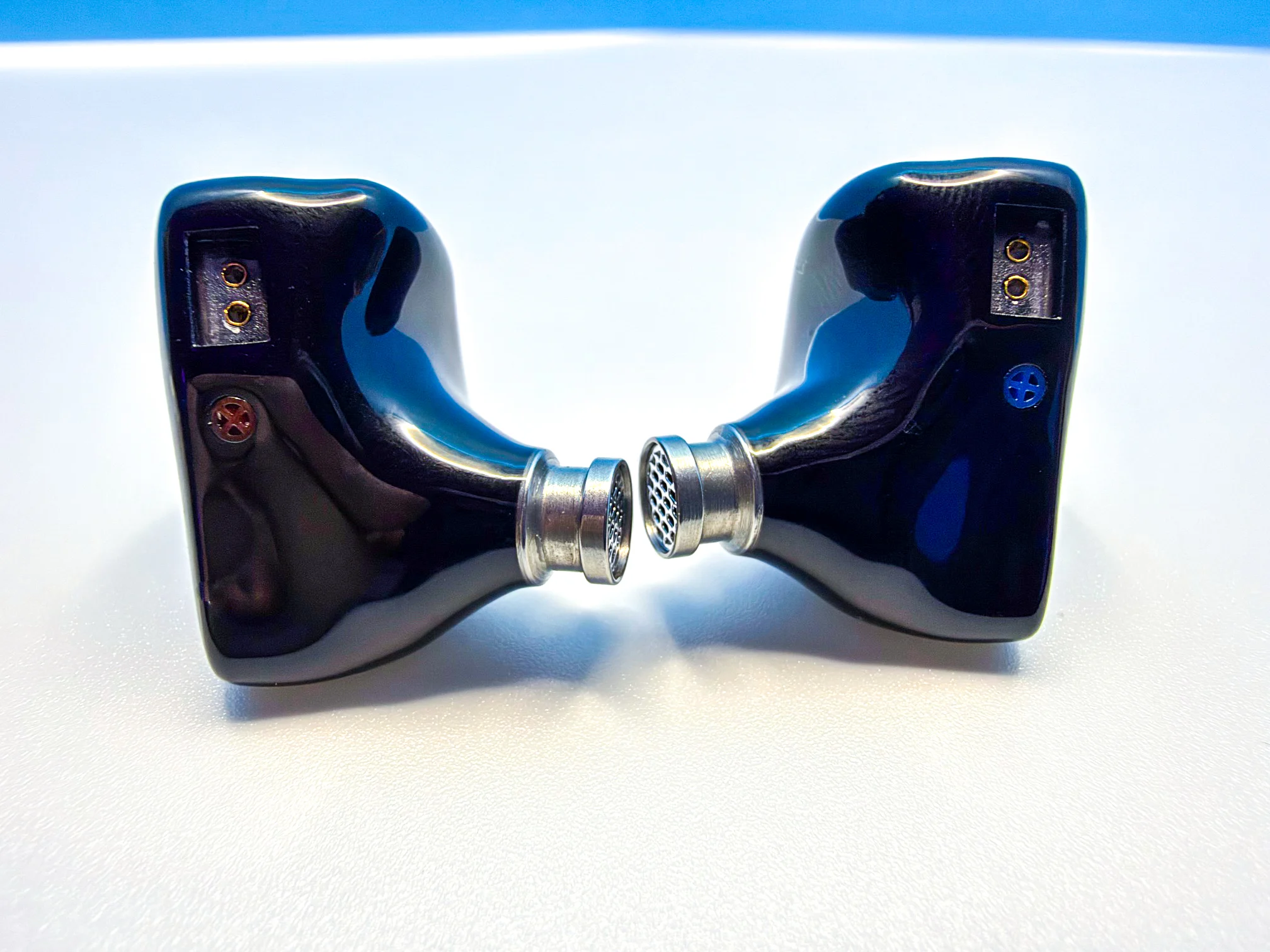
The D2 comes with a silver-plated single-crystal copper cable and interchangeable 3.5mm and 4.4mm terminations, and it immediately makes the whole package feel more serious. I’m constantly moving between sources, so swapping terminations without changing the entire cable is genuinely useful.
More importantly, the cable itself feels like something I’d actually keep using.
That’s not always a given.
🎧 Review Setup
Every GearZilla review starts in the same place:
Listen first. Figure out the story later.
I spent time with the D2 in its stock configuration before changing anything, then moved through different tips, sources, and listening situations. I also spent a lot of time comparing it directly with the D1 because this is one of those products where understanding the previous monster makes the upgrade much easier to appreciate.
My listening focused on vocal-heavy tracks, bass and percussion, denser arrangements, acoustic recordings, placement, separation, and longer sessions where comfort and fatigue start to matter.
I also kept EQ out of the way during most of my evaluation.
The D2 doesn’t need a rescue mission.
I wanted to hear the monster COZOY actually built.
🧬 KAIJU DNA SCAN
K • Kill Shot
The D2’s greatest weapon is reference clarity with better refinement.
The D1 already showed that COZOY wasn’t interested in joining the budget bass wars. The D2 takes that clarity-first approach and makes it more believable by improving resolution, separation, placement, and tonal smoothness.
The result still feels honest and revealing, but it’s much easier to listen to for longer stretches.
A • Anatomy
The D2 uses a dual-dynamic-driver setup built around a 6mm beryllium-diaphragm driver for the low frequencies and a 10mm graphene-composite dynamic driver covering the broader range.
That’s an interesting arrangement because COZOY isn’t simply using the larger driver as a bass cannon. Instead, the low end stays tight and controlled while the rest of the presentation remains clean and coherent.
Nothing feels like two drivers fighting for attention.
The whole thing moves like one monster.
I • Impact
The D2 doesn’t create impact by crushing you with bass.
It creates impact through speed, control, and clean attacks.
Kick drums hit with better shape than they did on the D1, basslines carry more texture, and low notes feel more complete without spilling upward and softening the midrange.
You get enough weight to keep music grounded, but the low end never becomes the main attraction.
That’s exactly what this tuning needs.
J • Joy
The biggest surprise is that the D2 is simply more fun to listen to than the D1.
That sounds strange for something this reference-minded, but the added refinement makes a difference. The D1 can sometimes feel like it’s showing you its tuning choices. The D2 spends less time reminding you what it’s doing and more time letting you enjoy the music.
The clarity is still there.
The discipline is still there.
It’s just easier to relax into.
U • Unleashed
Give the D2 a clean source and a good recording, and it rewards you with better layering, stronger positional cues, and small details that the D1 didn’t always bring forward as clearly.
This isn’t some giant flagship kaiju pretending to fit in a budget shell, and I’m not going to pretend it is.
But it scales better than I expected.
The more you feed it, the more composed it becomes.
🎼 Sound
The easiest way I can describe the D2 is that it sounds clear, controlled, and more technically confident than the D1 without completely rewriting COZOY’s tuning philosophy.
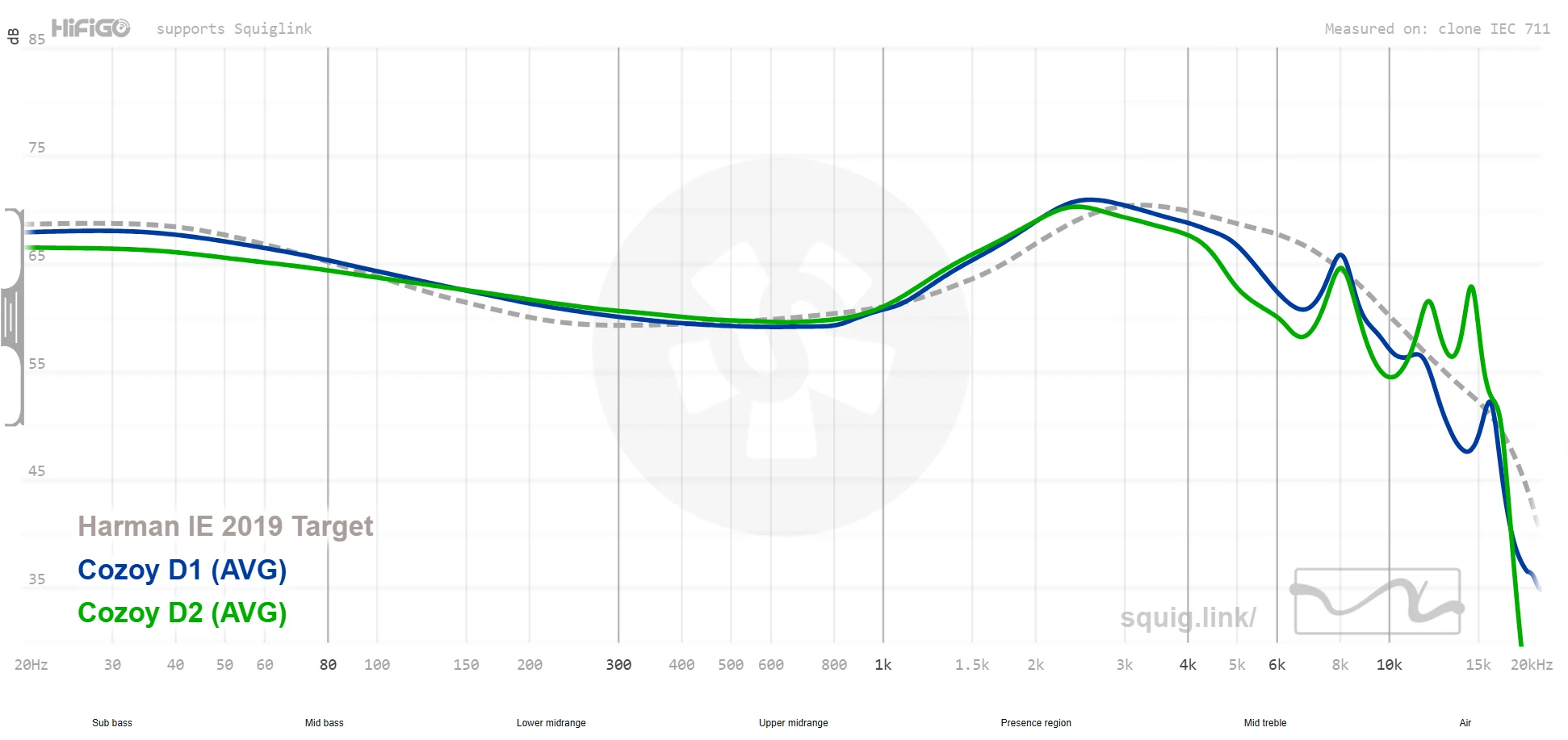
The Super* Review measurements back that up. The D1 and D2 track surprisingly closely through most of the bass, lower mids, and upper mids. Both keep the low end disciplined, both avoid a huge bass shelf, and both rise strongly through the presence region around 2 to 3 kHz. The D2 actually carries a touch less energy through parts of the bass than the D1, so this isn’t an upgrade built around making everything thicker or heavier.
The bigger changes happen higher up.
From roughly 4 kHz onward, the D2 starts pulling away from the D1. It dips deeper through parts of the mid-treble, then shows more pronounced energy around 8 kHz, 12 kHz, and again into the upper-air region. The D1 looks smoother through that stretch, while the D2 is more sculpted and energetic.
That lines up much better with what I’m hearing.
The D2 doesn’t sound dramatically warmer or bassier than the D1. Instead, it feels cleaner, sharper in placement, and more alive up top, with better separation and a stronger sense of air around instruments and vocals. There’s more contrast between elements, and that helps the whole presentation feel more resolved.
So the upgrade isn’t really about changing COZOY’s sound.
It’s about giving that sound more definition and more technical bite.
The D1 was clarity-first.
The D2 keeps that clarity, but now there’s more going on around it.
🥁 Bass
Bass on the D2 is still controlled rather than oversized, but it’s noticeably better than the D1.
It has more texture, better definition, and a stronger sense of physical shape around the notes. Kick drums have more authority, basslines are easier to follow, and sub-bass reaches low enough to support the music without turning the entire presentation into a low-frequency monster fight.
What I like most is that COZOY didn’t panic and overcorrect.
They could’ve looked at the D1, decided listeners wanted more bass, and thrown a giant shelf onto the D2. Instead, they improved the bass quality without changing its role.
It’s still there to support the music.
It just does the job better now.
If you want enormous slam, this probably still isn’t your monster. But if you want clean, fast, useful bass that stays out of the way of vocals and instruments, the D2 makes a lot of sense.
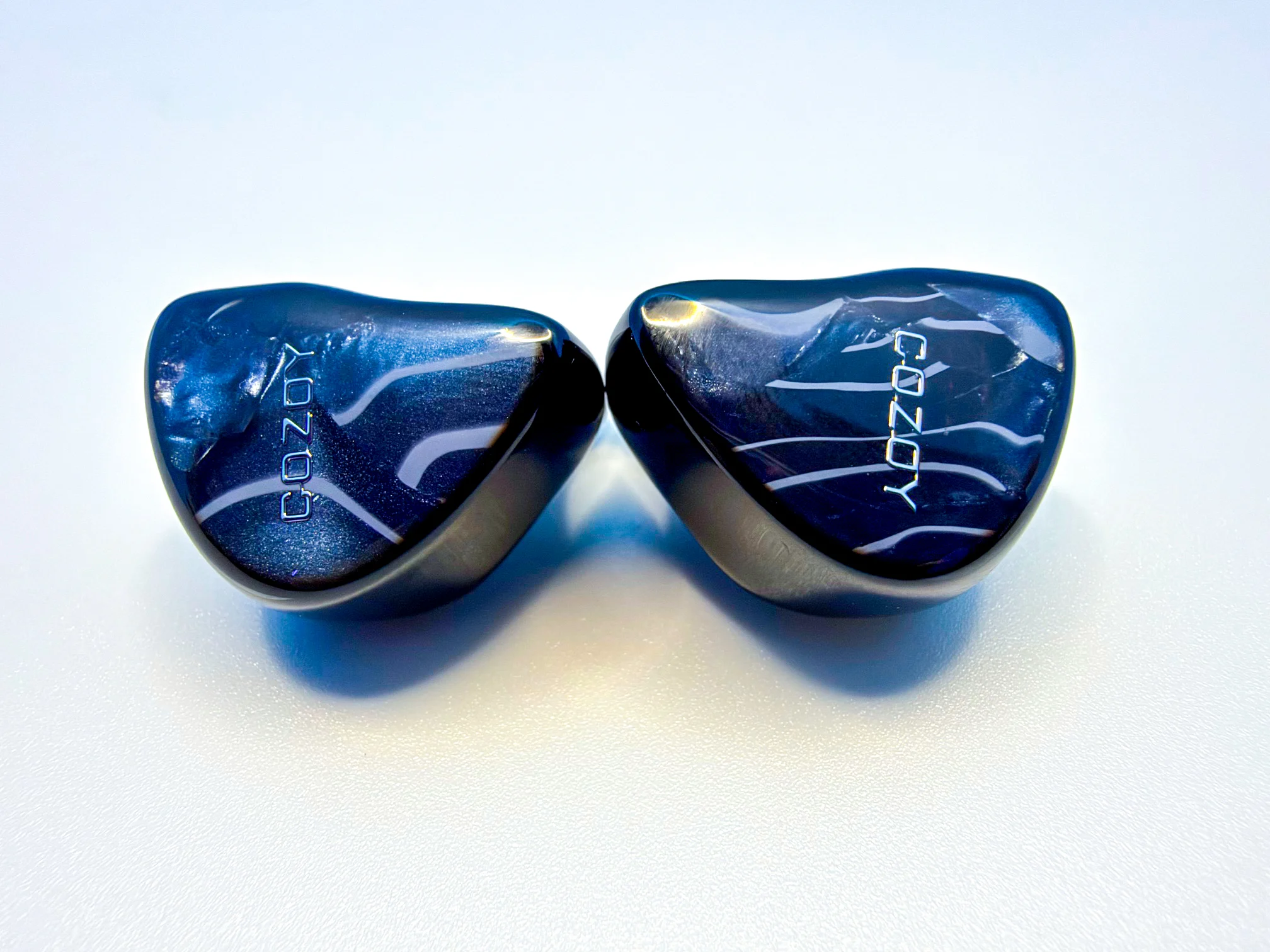
🎤 Midrange & Vocals
This is where the D2 really gets my attention.
Vocals were already one of the D1’s strengths, but the D2 handles them with more confidence. They’re clear and present without feeling as aggressively pushed at you, and they have better body underneath.
Female vocals still benefit from that clean upper-mid presence, but they don’t feel as sharp around the edges. Male vocals also sound fuller and more natural because the improved low-mid support gives them a little more weight.
The D2 is still a very good IEM for anyone who listens closely to voices, whether that’s music, editing, monitoring, or simply following every small change in a singer’s delivery.
The D1 made vocals obvious.
The D2 makes them believable.
🎯 Instrument Separation
This is one of the most obvious upgrades.
The D1 kept music organized, but I was careful not to oversell its separation. It was good for the price, but it relied heavily on cleaner tuning to create space.
The D2 does more actual work.
Instruments remain distinct longer when arrangements get busy, backing vocals are easier to follow, and percussion doesn’t blur into guitars or synth layers nearly as quickly. There’s more room between elements, which helps the entire presentation feel more composed.
It’s not just clearer.
It’s better separated.
That’s an important difference.
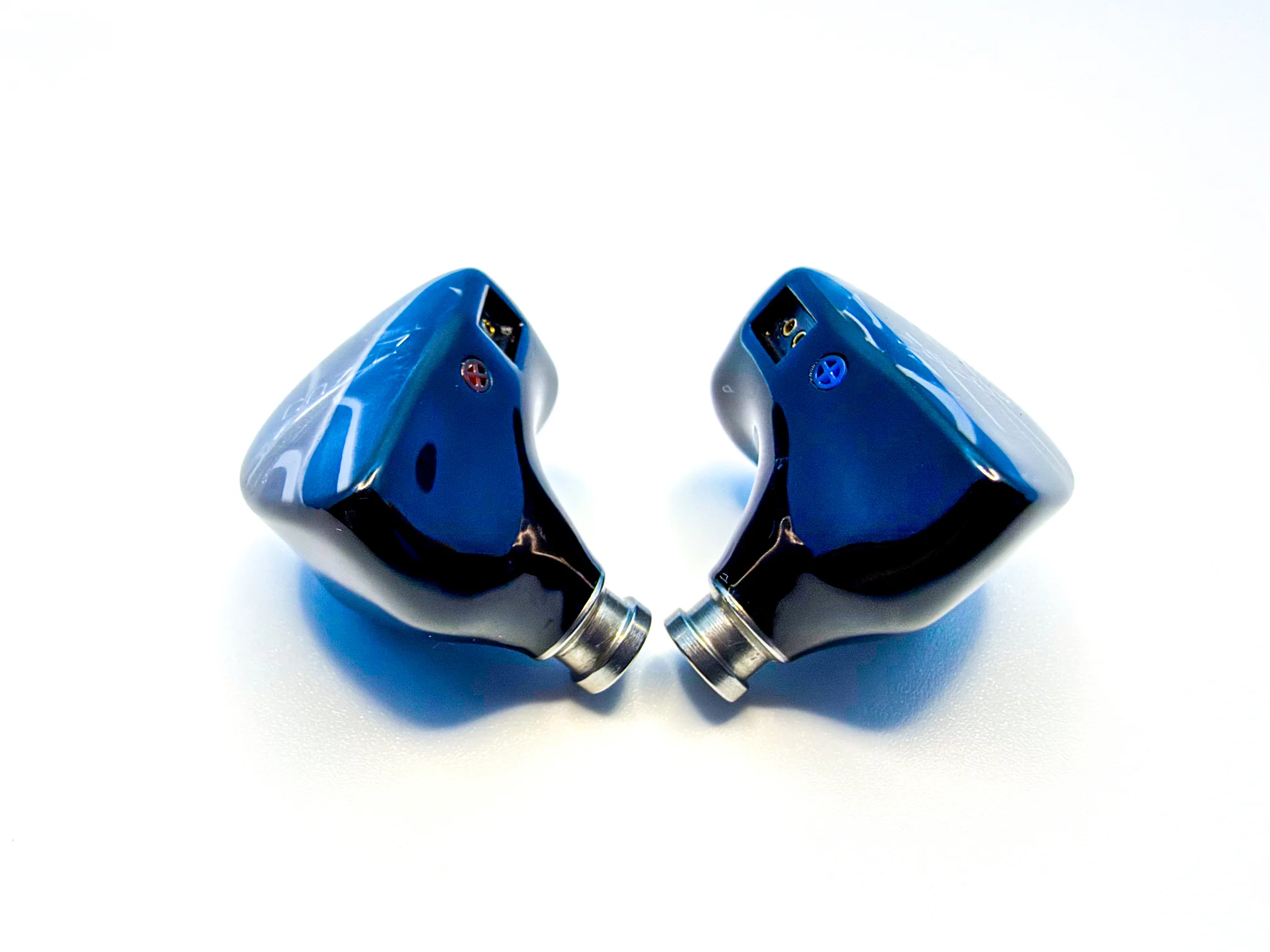
🏟️ Width, Depth & Placement
The D2 doesn’t create some enormous artificial sense of space, but it uses the space it has very well.
There’s enough width to keep the presentation open, enough depth to create meaningful layering, and better placement than I heard from the D1. Instruments don’t just sound separated from one another. They occupy more believable positions.
That matters more to me than sheer size.
I’d rather have a smaller arena where I can tell exactly where every kaiju is standing than some gigantic empty battlefield with monsters wandering around without direction.
The D2 gets the organization right.
✨ Treble & Air
This may be the most important tuning improvement.
The D1 had plenty of upper-frequency energy, and that helped create its clarity and openness. It also meant that some tracks could push into shoutiness depending on the recording, tips, and your own sensitivity.
The D2 smooths that out.
There’s still plenty of treble information. Cymbals stay crisp, vocals retain air, and small details aren’t buried under warmth. But the presentation feels calmer and better controlled.
You still know this is a clarity-focused IEM.
It just doesn’t keep poking you with a stick to remind you.
That’s progress.
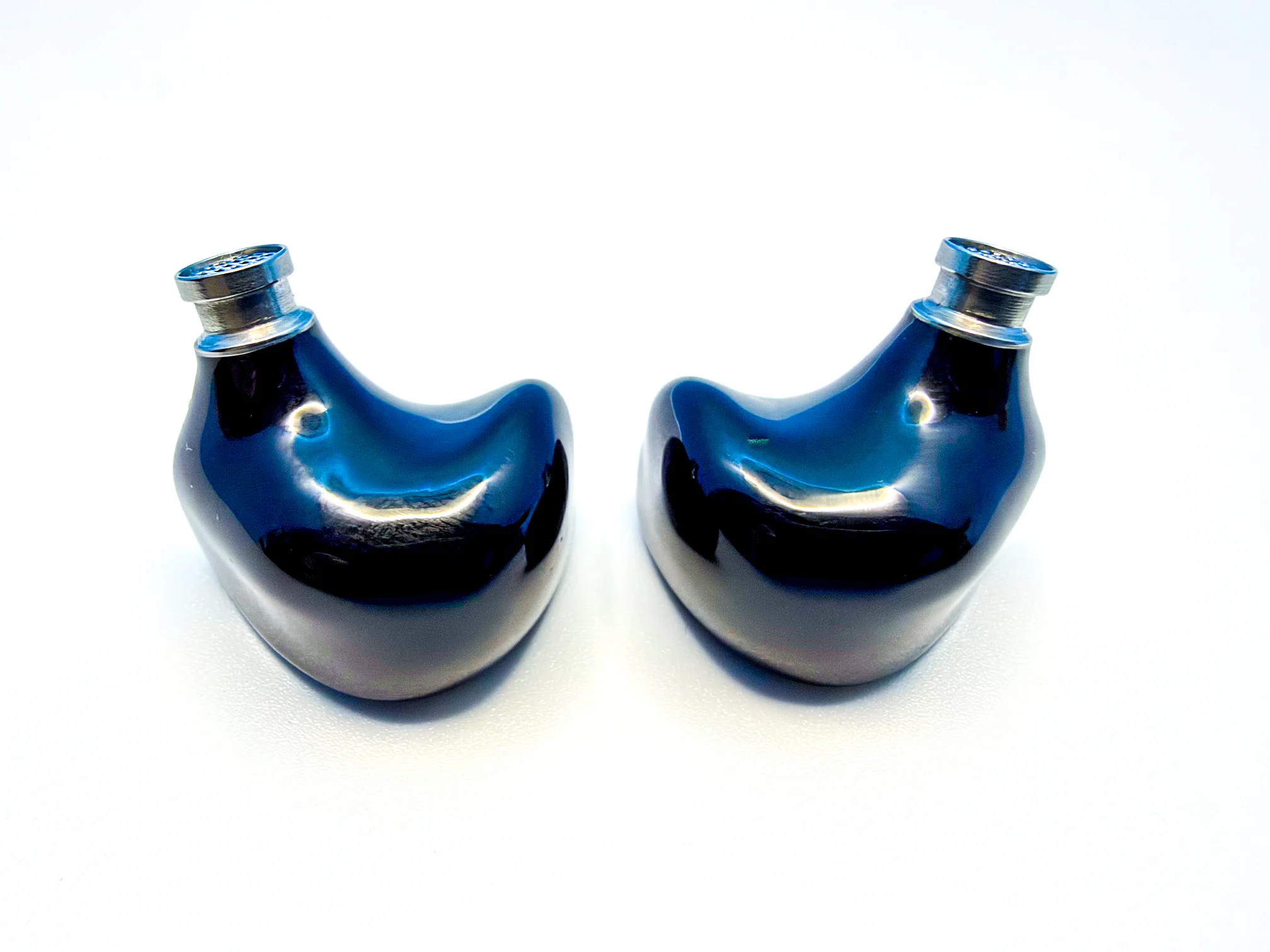
☁️ Comfort: Still Tiny, Still Excellent
COZOY clearly understands that not every IEM shell needs to look like a kaiju egg.
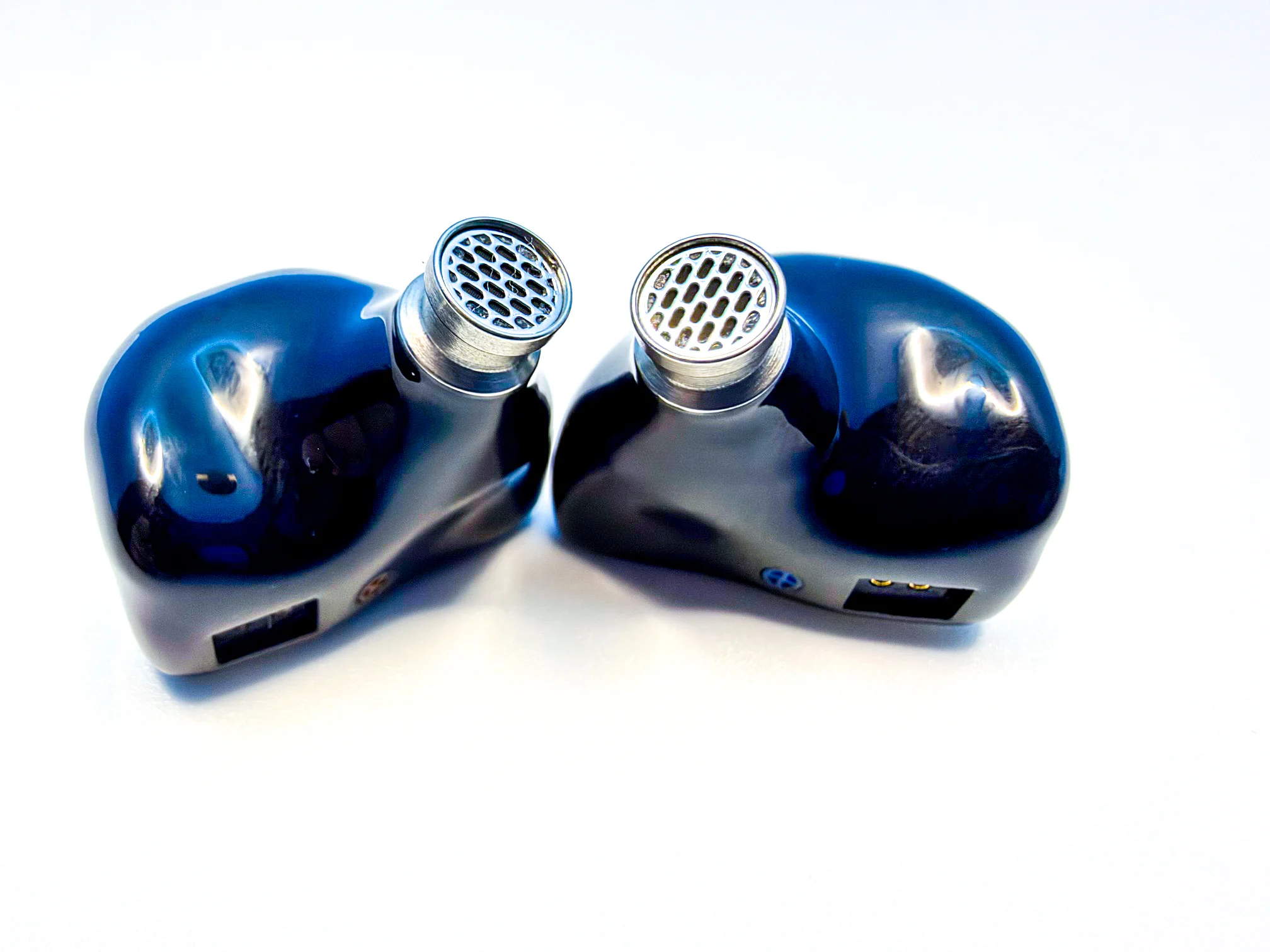
The D2 remains small, lightweight, and easy to wear for long sessions. It settles in without creating pressure points or constantly reminding you something is sitting in your ear.
That matters even more with a monitoring-style tuning because this is the kind of IEM you may want to wear for extended listening sessions.
The D2 stays out of the way, letting the sound do the work.
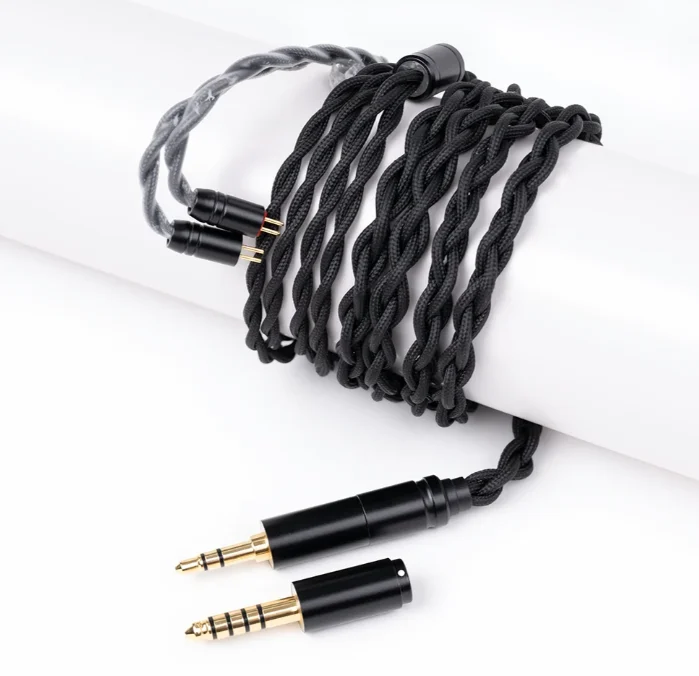
🔌 That Cable Deserves Some Love
The D1’s purple cable had personality.
The D2’s cable has purpose.
The modular system gives you both 3.5mm and 4.4mm terminations, so you can switch between sources without digging through a drawer for another cable.
And thankfully, COZOY didn’t pair that flexibility with something stiff, bulky, or annoying to use.
The cable feels good in the hand, sits well around the ears, and makes the D2 feel more complete.
This is one of those rare cases where I don’t immediately start wondering what replacement cable I’ll use.
COZOY already gave me one I like.
🆚 D1 vs. D2: Evolution Done Right
The D1 and D2 clearly come from the same family.
Both prioritize clarity. Both keep bass controlled. Both give vocals plenty of room. Both avoid the thick, warm, bass-heavy tuning that dominates much affordable audio.
But the D2 is better in nearly every area that matters.
Bass has more texture and authority. The midrange sounds more natural. Treble is smoother. Separation improves. Placement is more precise. Resolution takes a real step forward. The cable is better. The modular terminations add real flexibility.
Most importantly, the D2 doesn’t lose the personality that made the D1 interesting.
That’s what makes this upgrade work.
COZOY didn’t replace the monster.
They evolved it.
The D1 was clarity-first.
The D2 is reference-tuned.
That may sound like a small wording change, but to my ears it’s the whole story.
🎛️ Professional Monitoring
I understand COZOY’s reference goals much better after hearing the D2.
The controlled bass keeps the mids clean. Vocals are extremely easy to follow. Instrument placement is more precise. Busy mixes stay organized longer. The treble has enough presence to reveal detail without constantly exaggerating it.
That combination makes the D2 genuinely useful for critical listening.
And no, reference doesn’t have to mean boring.
The D2 still has energy and personality.
It’s more interested in showing you what’s happening inside the recording than turning every song into a monster movie.
👹 Who Is This For?
The D2 makes the most sense for listeners who prioritize clarity, vocals, control, separation, and accurate placement over huge bass quantity.
It’s also a great choice for someone who liked the basic idea behind the D1 but wanted more refinement, more technical ability, and a smoother upper range.
If your ideal tuning is dark, thick, warm, and bass-heavy, this probably isn’t your monster.
But if you want something clean, precise, comfortable, flexible, and intentionally tuned for clarity without becoming sterile, the D2 is a very strong option.
🦖 GearZilla Scorecard
✨ Clarity: 4.9/5. Still the heart of COZOY’s tuning philosophy, but now backed by higher resolution and better separation, not just a bright tonal balance.
🎤 Midrange & Vocals: 4.9/5. Clean, expressive, and more natural than the D1. One of the D2’s biggest strengths.
🥁 Bass: 4.6/5. Fast, controlled, and better textured than the D1. It still won’t satisfy dedicated bassheads, but that isn’t what COZOY built it to do.
🎯 Separation: 4.8/5. A clear improvement. Busy passages stay organized longer, and individual instruments are easier to follow.
🏟️ Width, Depth & Placement: 4.8/5. Not artificially huge, but well organized with convincing placement and useful depth.
🔬 Detail & Resolution: 4.8/5. This is where the D2 takes a real step forward. The clarity is now backed by stronger technical performance.
✨ Treble & Air: 4.7/5. Smooth enough to avoid the D1’s occasional sharpness while retaining plenty of openness and detail.
☁️ Comfort: 4.9/5. Small, light, and easy to wear for long sessions.
🔌 Cable & Terminations: 5.0/5. Excellent stock cable and genuinely useful interchangeable 3.5mm and 4.4mm plugs.
💰 Value: 4.9/5. The combination of sound quality, comfort, a modular cable, and refinement makes the D2 an excellent value.
🦖 Overall GearZilla Score: 4.8/5 • S-Class Kaiju.
🦖 Final Roar
Now I understand exactly what Tony meant.
The D1 wasn’t supposed to be the finished statement. It was the introduction.
It showed me that COZOY wasn’t interested in copying the same bass-heavy formula everyone else was using. They wanted clarity, vocal presence, control, and a cleaner presentation, even if that meant creating something that wouldn’t appeal to everyone.
The D2 takes that philosophy and makes it much easier to believe in, especially at only $55.
Bass has more texture and authority without becoming oversized. Vocals remain beautifully clear but sound more natural. Separation improves. Placement is more precise. Resolution finally starts catching up with the clarity. The treble is smoother. The cable is significantly better. And those interchangeable 3.5mm and 4.4mm terminations make the entire package more useful.
Most importantly, the D2 still sounds like COZOY.
That matters.
It’s easy to respond to criticism by changing everything. It’s much harder to understand what made the original product interesting, keep that identity intact, and improve the parts that needed work.
That’s exactly what COZOY did here.
The D1 made me curious.
The D2 makes me a believer.
At 4.8 out of 5, this is one of the most impressive reference-minded affordable IEMs I’ve heard, especially for listeners who value vocals, clarity, placement, and control over brute-force bass.
Tony told me I needed to understand the D1 before I could understand why COZOY created the D2.
Mission accomplished.
This monster evolved.
🏆 GearZilla Reference-Tuned Value Monster
Clearer. Stronger. Better trained.
🦖 Pick Your Monster
For the most affordable entry into COZOY’s clarity-first sound, the D1 is still an easy recommendation. It’s compact, lively, vocal-forward, and a fun little monster for anyone who values clarity over huge bass.
If you want a more developed version of that same idea, spend the extra money on the D2. You get stronger resolution, better separation and placement, more upper-end energy and air, a more polished overall presentation, plus an excellent modular cable with 3.5mm and 4.4mm terminations.
D1 for the budget kaiju. D2 for the evolved form.
Either way, COZOY clearly has a sound of its own: Visit them now.
Pick your monster and Listen Bigger!
Share This Story, Choose Your Platform!