



Three drivers. Beautiful craftsmanship. One remarkably complete musical experience.
🎧 Is the Tipsy M3 Worth Buying?
Absolutely. And I think Tipsy has something pretty special.
I’ve listened to plenty of IEMs that do one or two things exceptionally well. Some deliver tremendous bass. Others specialize in crystalline detail, extraordinary vocal clarity, or enormous musical presentations that make you wonder how so much sound could possibly come from something so small.
But finding an IEM that brings all those qualities together without making you sacrifice something important?
That’s a considerably tougher assignment.
And that’s where the Tipsy M3 surprised me.
At $219, this three-driver hybrid brings something particularly interesting to the mid-priced HiFi market: a design philosophy rooted in professional audio, where tuning isn’t simply about adding drivers or chasing impressive specifications.
It’s about making an entire acoustic system work together.
And after listening to the M3, I think that philosophy is evident.
The bass has satisfying weight and excellent definition. The midrange is slightly relaxed but wonderfully natural and articulate. The upper frequencies reveal plenty of information without becoming unnecessarily aggressive. Instrument separation is impressive, and there’s a convincing sense of width and depth that makes the listening experience feel remarkably complete.
The M3 is one of those wonderful IEMs that makes me stop thinking about what it’s missing and start appreciating everything it’s doing right.
It’s detailed without being clinical. Energetic without being excessive. Musical without sacrificing clarity.
And when I connected it to a capable source with a compatible 4.4mm balanced cable, I got an even more open, engaging presentation.
Then there’s the physical experience.
The M3 is gorgeous.
The compact resin shells fit my ears beautifully, the included cable feels fantastic, and the unboxing delivers a genuinely delightful surprise that I’m not about to spoil.
There’s real pride of ownership here.
But perhaps the most compelling aspect of the M3 is its story.
Tipsy is bringing its professional and custom-IEM experience to a broader audience of personal audio enthusiasts. And rather than abandoning that background to create another consumer product, the company appears determined to translate its engineering philosophy into something that everyday music lovers can appreciate.
Someone made deliberate decisions about this IEM.
The driver configuration. The crossover. The acoustic chambers. The shell design. The tuning.
Someone chose this path. And it shows.
✅ Pros: Beautiful design and exceptional craftsmanship; compact, wonderfully comfortable shells; versatile, engaging tuning; tasteful and textured sub-bass; natural and detailed midrange; crisp yet refined treble; excellent instrumental separation; convincing width and depth; strong resolution; rewarding source pairing; attractive, lightweight stock cable; memorable packaging; and a cohesive acoustic presentation that reflects deliberate engineering.
⛔ Cons: Vocals can sit slightly behind the instrumental arrangement; the extended two-pin connector housing limits convenient compatibility with conventional replacement cables; the stock analog option is 3.5mm rather than offering a 4.4mm balanced alternative; and achieving the ideal tonal balance requires experimenting with ear tips and finding the right seal.

🦖 The Art of Getting Everything Right
There’s an old saying about being a jack of all trades and a master of none.
In personal audio, that description usually makes me nervous.
When an IEM promises to do everything, I naturally wonder whether that means it does anything particularly well.
A bass-focused IEM can be tremendously entertaining while struggling with delicate acoustic recordings. A resolution monster can reveal every microscopic detail while somehow making my favorite music less enjoyable. And a beautifully warm, forgiving IEM can become too relaxed when a recording demands energy and precision.
Every tuning decision has consequences.
So when I encounter something equally happy exploring soul, jazz, rock, electronic music, acoustic performances, and complicated instrumental arrangements, I pay attention.
That’s the Tipsy M3.
What makes it special isn’t that it completely dominates every technical category. I’ve heard IEMs with more thunderous bass, more pronounced vocal lift, and even grander spatial presentations.
The magic is how little I miss when I listen to it.
I can enjoy the weight of a bass guitar without losing the singer. I can follow delicate percussion without harsh treble distracting me. I can appreciate each instrument’s position while still hearing a complete performance.
Nothing seems desperate to prove itself.
And perhaps that’s because the people behind the M3 understand something fundamental about sound reproduction.
Great tuning isn’t necessarily about maximizing one quality.
It’s about understanding how all those qualities interact.
That philosophy is at the heart of Tipsy’s approach to acoustic engineering, and it helps explain why the M3 feels so accomplished.
This isn’t simply an IEM with three drivers. It’s a carefully coordinated musical system.
And that distinction matters.

🤝 Disclosure: Listen First, Figure Out the Story Later
A heartfelt thank-you to Joshua and the Tipsy Audio team for providing the M3 for this review.
I genuinely appreciate the opportunity to explore products from manufacturers with distinctive design philosophies, especially companies working to bring professional audio experience to a broader community of music enthusiasts.
But receiving a review sample never guarantees a positive review.
Every product has to earn its place through actual listening, experimentation, and everyday use.
With the M3, that meant trying different ear tips, evaluating the importance of a proper seal, and testing capable sources and compatible balanced connectivity.
Some of those discoveries made a meaningful difference to my enjoyment.
My opinions and final rating are entirely my own.
Affiliate disclosure: This review includes a GearZilla Reviews affiliate link to Tipsy Audio. Purchases made through that link may earn GearZilla a commission, at no additional cost to you. Affiliate relationships don’t influence my listening impressions or editorial conclusions.
As always, my philosophy remains simple.
Listen first. Figure out the story later.
And the M3 gave me a wonderful story to tell.
🎼 Tipsy Audio: Professional Roots, Consumer Ambitions
Before we dive into the M3, it’s important to understand the company behind it.
Because Tipsy isn’t approaching personal audio without a background in professional listening.
According to the company, recording engineer Masan Lee founded Tipsy Audio in 2016 with the ambition of recreating the qualities of studio-grade sound through beautifully designed personal audio products.
The company cites the Shenzhen Concert Hall as a key source of inspiration, reflecting an appreciation for music as a complete acoustic performance rather than simply a collection of frequencies.
That’s a fascinating foundation for an audio manufacturer.
Tipsy’s experience includes custom in-ear monitoring, acoustic development, and products intended for performing artists and demanding listening applications. The company also highlights its proprietary acoustic innovations and recognition in Asia’s professional music communities.
Its philosophy comes down to two wonderfully simple ideas.
See the Sound.
And:
Hear the Art, See the Sound.
I love that.
Because it recognizes something many enthusiasts understand instinctively.
A great audio product should sound extraordinary.
But its physical design, craftsmanship, and presentation should also communicate the care behind its creation.
Tipsy is now bringing more of that philosophy to consumer HiFi enthusiasts.
And the M-series represents an interesting expression of that ambition.
Rather than treating its consumer products as simplified versions of professional equipment, Tipsy is exploring different acoustic architectures while maintaining an emphasis on purposeful engineering.
🎧 The M-Series: Different Paths, One Philosophy
The M1 explores the potential of a single bamboo-fiber dynamic driver, emphasizing natural reproduction, clean vocals, and balanced low frequencies.
The M3 takes a different approach, combining one dynamic driver with two balanced armatures. Tipsy focuses on the complete system, refining acoustic passages, crossover behavior, and damping to achieve convincing dynamics and clean transient reproduction.
The M5 takes a more ambitious approach, combining planar and bone-conduction technologies and exploring new ways to convey fine detail and physical immersion.
Different driver arrangements.
Different acoustic approaches.
But one shared principle.
Tipsy doesn’t simply stack drivers. It engineers systems.
That’s an important distinction.
Adding more drivers doesn’t automatically create better sound. In fact, every additional driver introduces new challenges involving frequency transitions, acoustic interactions, timing, and tonal consistency.
The objective isn’t to create the most complicated IEM.
It’s to make the chosen design work as a complete musical instrument.
And in the M3, I hear the benefits of that approach.
The dynamic driver and balanced armature don’t compete for attention. They contribute to a unified presentation that sounds natural, engaging, and remarkably well organized.
This feels like professional-audio thinking applied to everyday musical enjoyment.
And I’m very glad Tipsy is bringing that experience to a wider audience.
🎨 Design & Build: Pride of Ownership
Let’s talk about something audio reviews rarely cover.
The joy of owning something beautiful.
We spend a lot of time discussing frequency response, crossover design, driver configurations, and technical performance.
And rightly so.
But this hobby has another side.
Sometimes you pick up a piece of equipment, admire its craftsmanship, and appreciate the simple pleasure of having something thoughtfully designed in your collection.
The Tipsy M3 delivers that feeling.
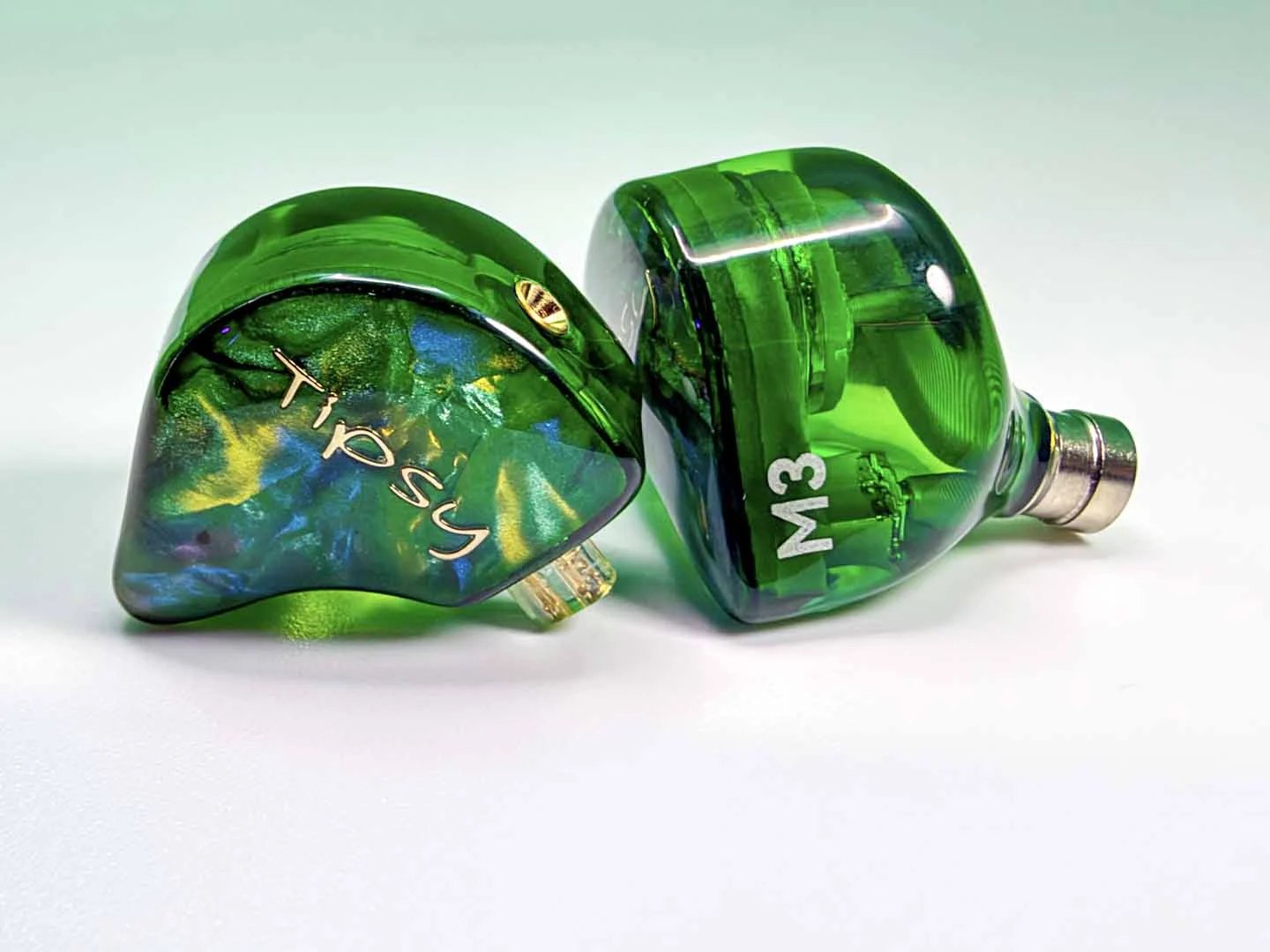
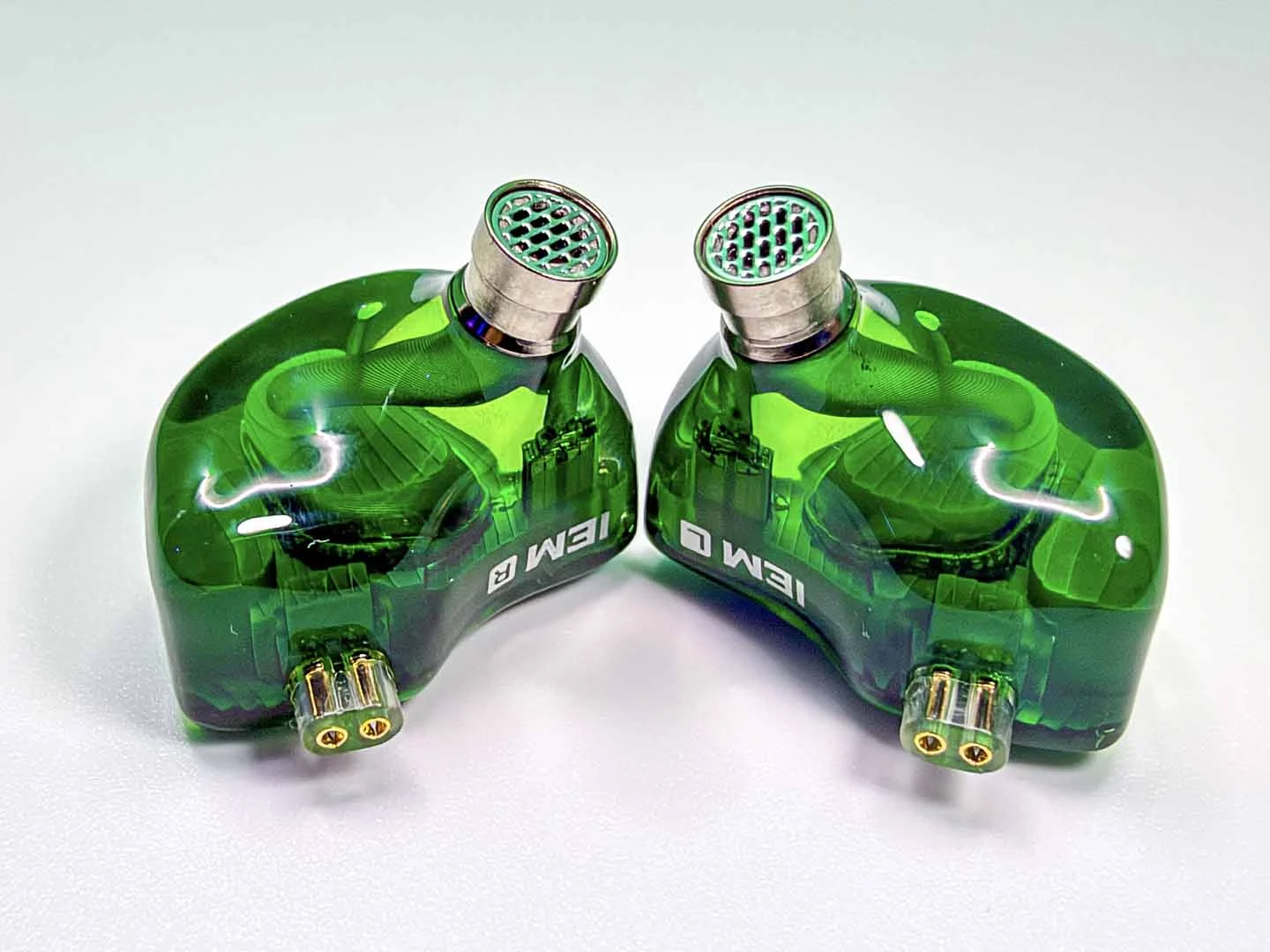
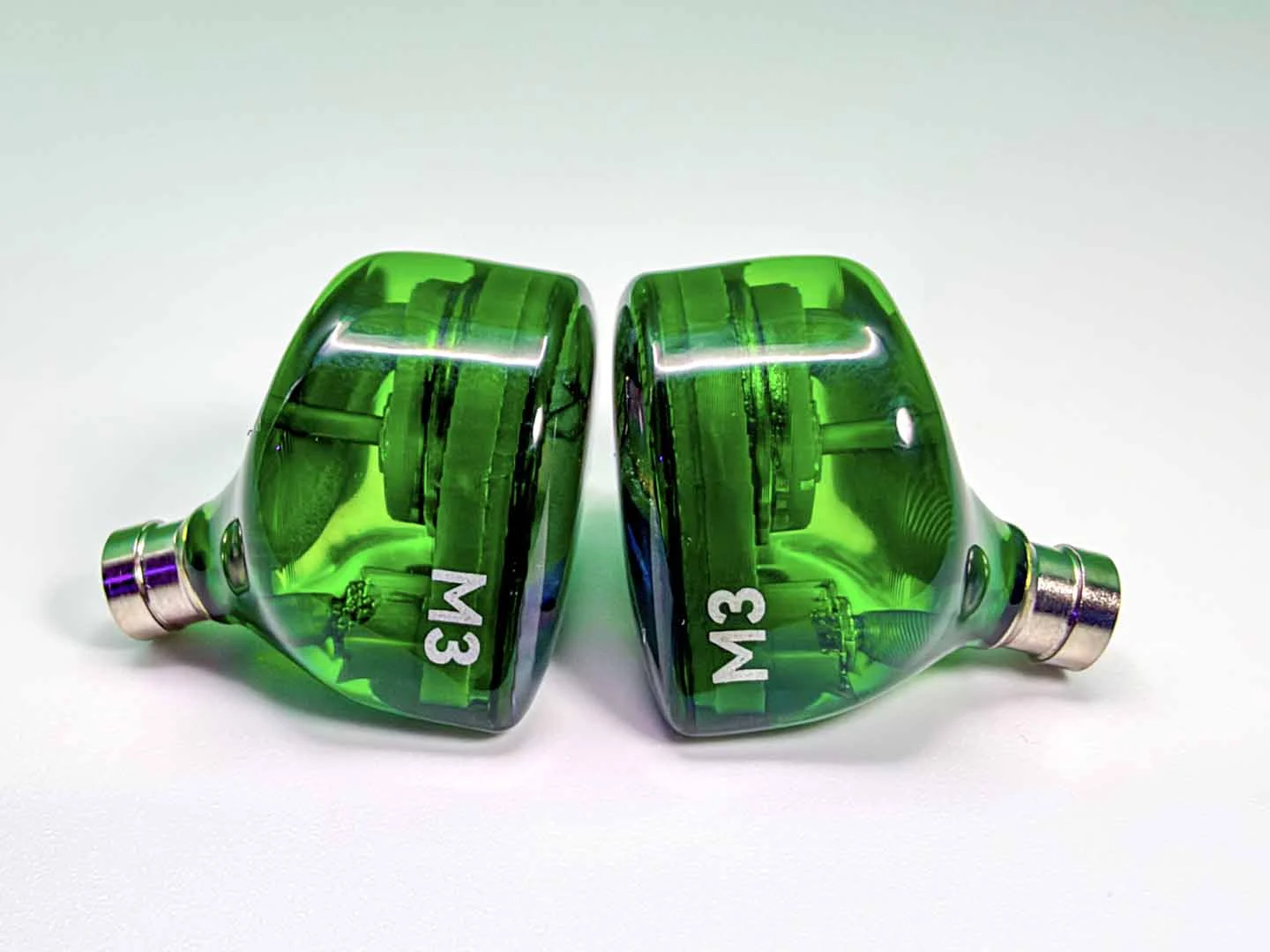
Its resin shells are genuinely attractive, with distinctive faceplates that give the IEM a premium, expressive personality. The construction has visual depth, and the finish looks like something made with genuine care.
More importantly, the design isn’t just decorative.
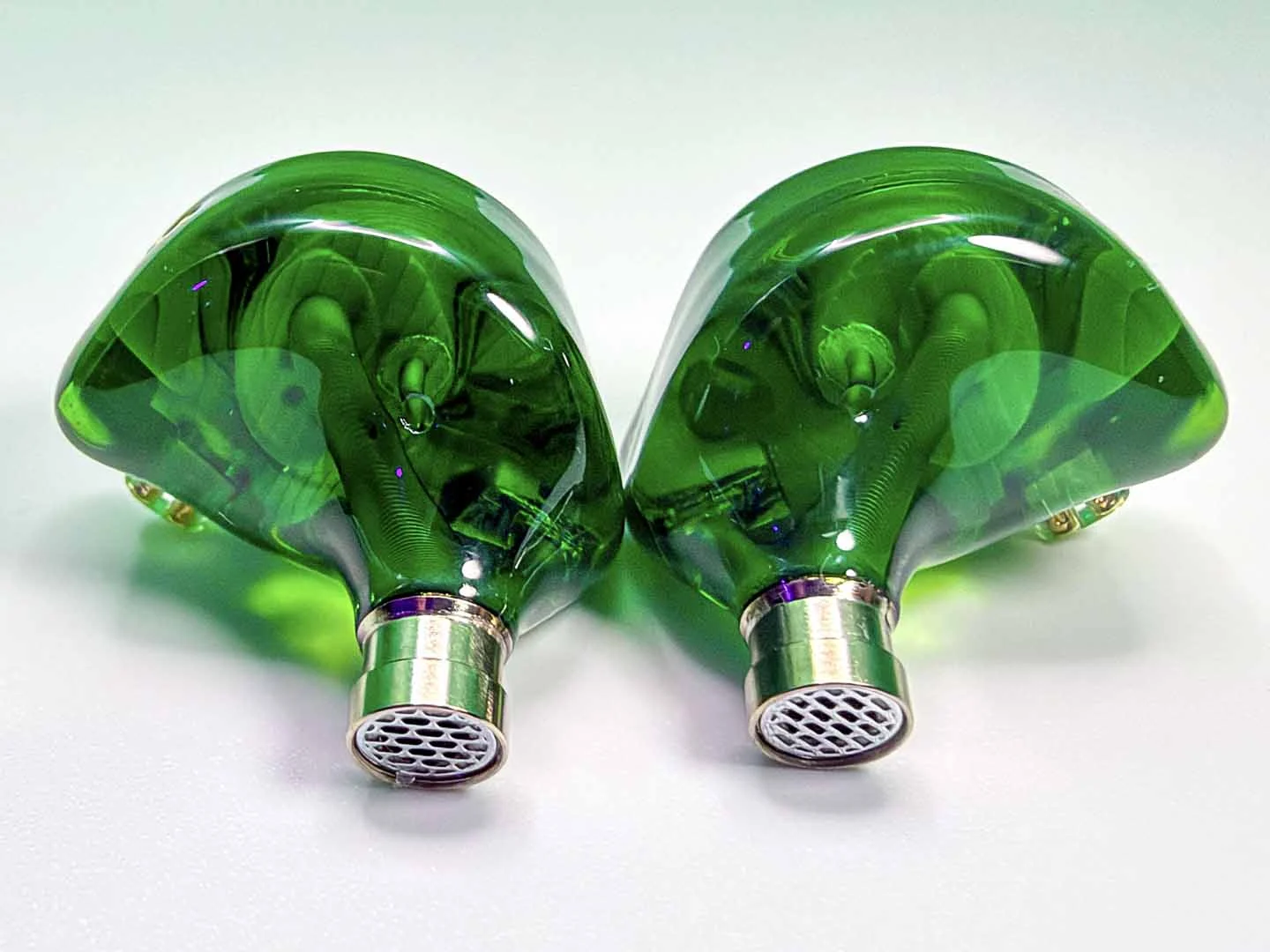
These shells are wonderfully small.
That’s a major advantage for my ears.
I’ve reviewed some impressive IEMs that seem determined to occupy every available millimeter of the outer ear. They may sound fantastic, but oversized shells can make extended listening feel like an endurance event.
The M3 takes a much more civilized approach.
The compact shape sits beautifully in my ears, with a secure, natural fit that lets me forget the hardware and focus on the music.
I can’t overstate how much I appreciate that.
Comfort isn’t a luxury.
It’s one of the most important qualities an everyday IEM can offer.
And when that comfort comes wrapped in a beautiful design, the entire ownership experience becomes more satisfying.
This is where Tipsy’s philosophy of combining acoustic engineering with visual design feels particularly relevant.
The M3 doesn’t simply sound like a thoughtfully developed product.
It looks like one.
Someone chose these materials, proportions, shape, and presentation for a reason.
That intentionality makes the entire experience more rewarding.
Design & Build: A standout strength.
📦 Unboxing: I’m Not Spoiling This One
I review a lot of audio equipment.
And after a while, packaging can become remarkably predictable.
Open the box. Remove the foam. Find the cable. Discover the ear tips hiding somewhere underneath. Locate the carrying case.
Congratulations!
You’ve successfully unboxed another IEM.
But every once in a while, a manufacturer does something different.
Tipsy did.
And I loved it.
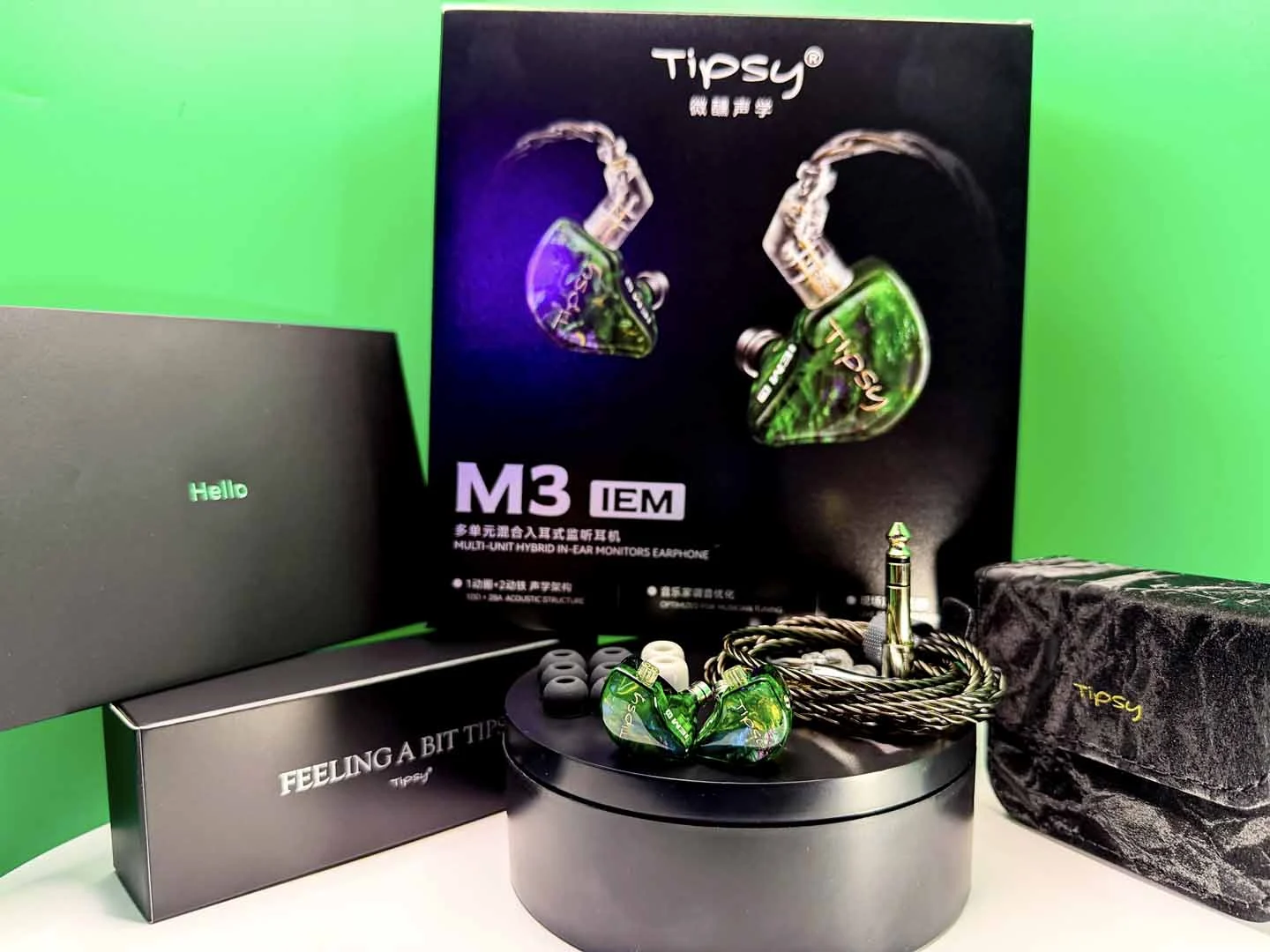
The M3 arrives in packaging that feels more imaginative than the usual cardboard layers and accessory compartments.
It feels like a genuine occasion, and it immediately reinforces the idea that Tipsy cares about the complete ownership experience.
I’m deliberately not describing every detail.
No spoilers.
Part of the enjoyment is discovering it for yourself.
What I will say is that the package includes the M3 IEMs, a detachable TC-40 cable, silicone and memory-foam ear tips, and a carrying case.
Everything feels connected to the product’s overall identity.
And that matters.
A memorable unboxing experience doesn’t need to be extravagant. It simply needs to communicate that somebody cared about how the product would be introduced to its new owner.
Tipsy clearly did.
For a company whose philosophy celebrates the visual and acoustic sides of personal audio, it’s a particularly fitting first impression.
Packaging & Presentation: Distinctive, thoughtful, and genuinely fun.
🔌 The Cable: Beautiful Execution, Frustrating Limitations
Here’s where my admiration for the M3 runs into a little frustration.
Because I genuinely love the included cable.
Tipsy identifies it as the TC-40, a 1.2-meter, four-core alloy-copper design.
And it’s lovely.
Thin, lightweight, attractive, and beautifully suited to the compact shells.
I appreciate its flexibility, understated appearance, and how little unnecessary bulk it adds to the listening experience.
Some manufacturers seem convinced that a premium IEM requires a cable thick enough to tow a small automobile.
Tipsy apparently disagrees.
Thank goodness.
The TC-40 looks and feels excellent, and I thoroughly enjoyed using it.
The problem isn’t the cable’s quality. It’s the limited choices surrounding it.
The M3’s available configurations include the conventional 3.5mm analog connection and the TC50 DSP USB-C option.
What I would have loved is a traditional 4.4mm balanced version of that excellent stock cable.
And for a very specific reason.
When I connected the M3 to a capable source with a compatible 4.4mm balanced cable, the presentation felt more open, spacious, and effortless.
The music seemed to have additional breathing room, and the overall experience became more engaging.
That’s when I really appreciated what this little hybrid could accomplish.
To be clear, a 4.4mm balanced connection isn’t inherently superior to 3.5mm.
The amplifier’s implementation, gain structure, available output, impedance behavior, and listening level all influence the results.
But with my equipment, I preferred the experience through my balanced setup.
And I wish Tipsy made that option available without requiring another cable purchase.
The Extended Two-Pin Problem
My biggest practical criticism concerns the connectors.
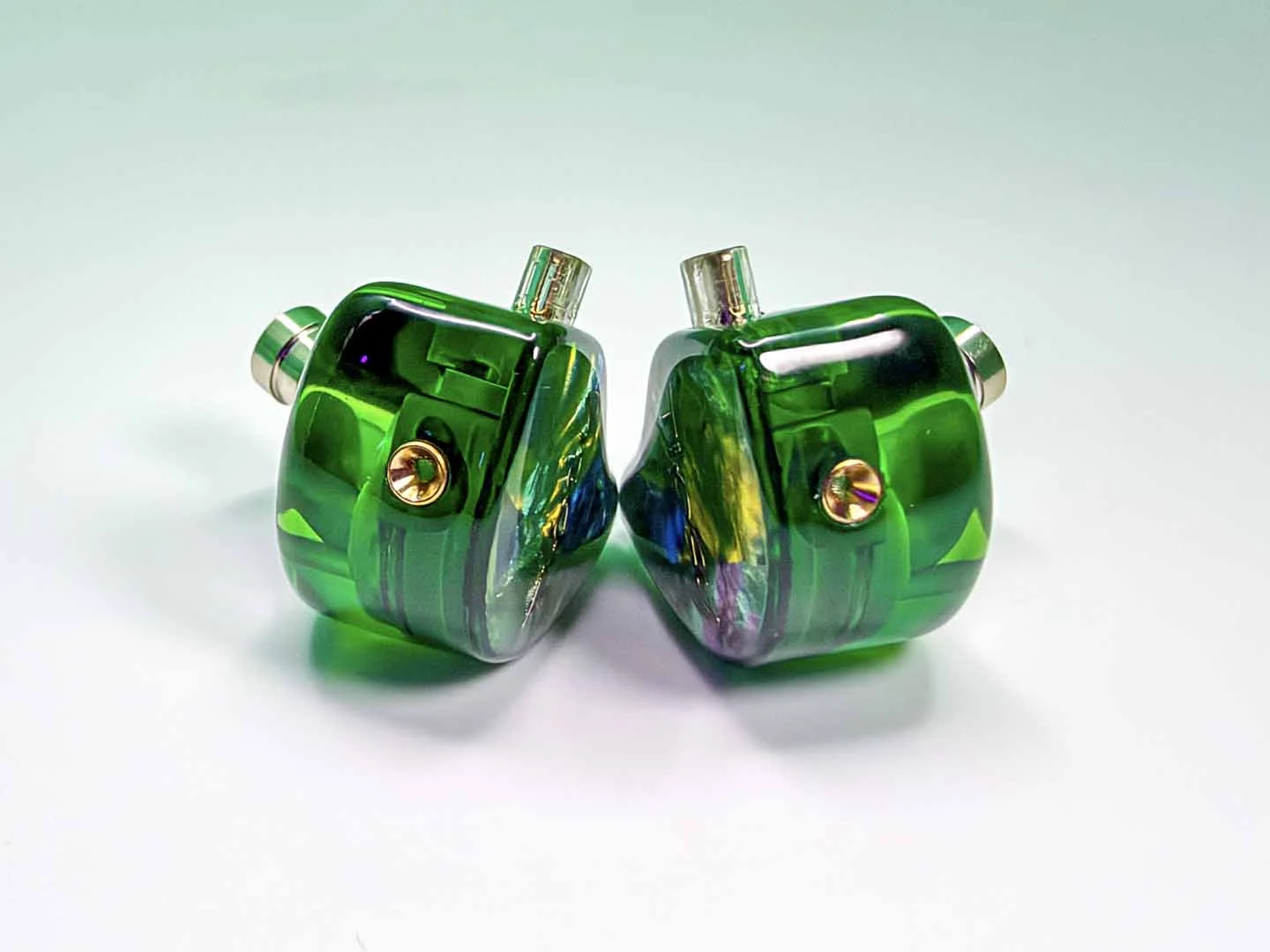
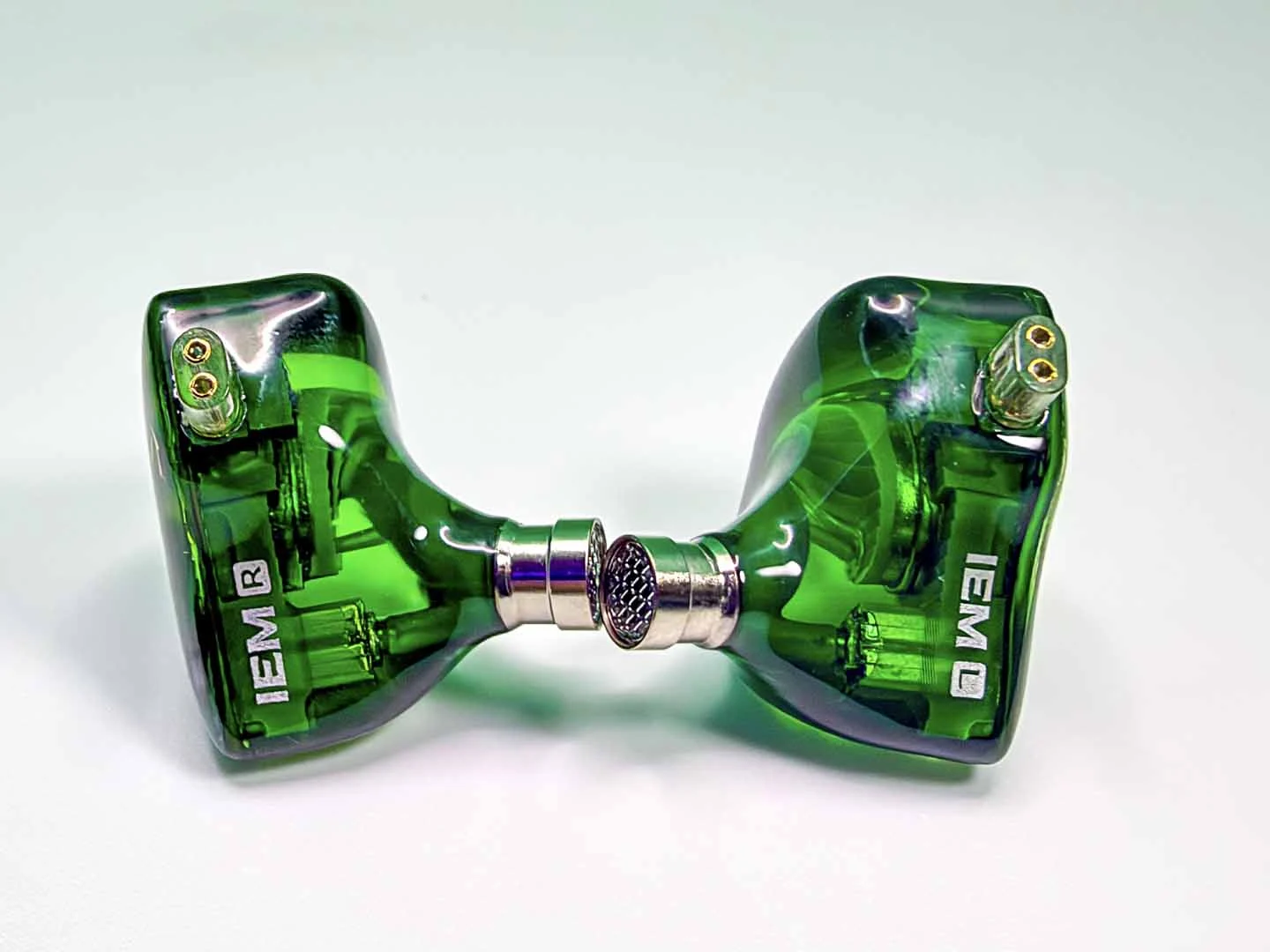
Tipsy’s published specification identifies a detachable 0.78mm two-pin connection.
That’s correct, but there’s an important physical distinction.
The M3 uses an extended, QDC-style connector arrangement rather than the more conventional flush-mounted two-pin interface found on many other IEMs.
That affects cable compatibility.
While suitable replacement cables are available, the surrounding connector housing can prevent some ordinary two-pin cables from fitting properly.
You can’t simply assume every 0.78mm cable in your collection will connect securely.
For someone like me, who enjoys experimenting with different source and cable combinations, that’s frustrating.
And perhaps unnecessary.
I appreciate manufacturers pursuing distinctive designs, but connectivity should make ownership more flexible, not less.
A beautiful, versatile IEM deserves equally versatile connectivity.
Give me the same excellent TC-40 in a 4.4mm balanced configuration.
Better yet, make it easier to use the replacement cables enthusiasts already own.
The M3 deserves that freedom.
⚙️ Technical Specifications: Three Drivers, One Purpose
The Tipsy M3 uses a hybrid architecture combining one dynamic driver with two balanced armature drivers per earpiece.
According to the manufacturer’s updated technical information, the design uses a three-way crossover and an internally developed acoustic structure to deliver smooth frequency transitions, broad dynamics, and coherent sound reproduction.
Model: Tipsy Audio M3
Type: Wired hybrid in-ear monitor
Driver configuration: 1 dynamic driver + 2 balanced armatures per side
Crossover: Three-way
Published frequency response: 20Hz-20kHz
Sensitivity: 106 ±3dB at 1kHz
Impedance: 18Ω at 1kHz
Total harmonic distortion: Less than 1% at 1kHz
Connector: Detachable 0.78mm two-pin, extended QDC-style housing
Cable: TC-40 four-core alloy copper
Cable length: 1.2 meters
Stock analog termination: 3.5mm single-ended
Alternative configuration: TC50 DSP USB-C
Accessories: Memory-foam tips, silicone tips, and carrying case
Reference price: $219 USD
These specifications are provided by Tipsy Audio and have not been independently measured by GearZilla Reviews.
🥁 The Dynamic Driver: Richness and Foundation
The dynamic driver provides the M3’s low-frequency foundation.
But what matters most isn’t simply the quantity of bass.
It’s how successfully that bass integrates with the rest of the music.
The M3 delivers satisfying depth, convincing physical impact when the recording calls for it, and enough texture to make bass instruments sound like recognizable musical performances rather than anonymous low-frequency vibrations.
🎤 The Balanced Armatures: Clarity and Definition
The two balanced armatures help reproduce the midrange and upper frequencies.
The result is an impressively articulate presentation.
Vocals remain natural and intelligible despite their slightly relaxed position, while the upper registers reveal plenty of fine detail without becoming relentlessly sharp.
🧠 The Three-Way Crossover: Where the Engineering Matters
This is perhaps the most interesting aspect of the M3’s design.
Tipsy emphasizes the relationship between its drivers, crossover network, damping, and internal acoustic geometry.
The company isn’t relying on driver count alone to establish performance.
Instead, it’s designing how those drivers interact.
And that approach makes sense.
A successful hybrid must do more than assign separate frequency regions to different drivers. Those drivers have to work together through their transition points without creating obvious discontinuities in the listening experience.
Tipsy’s three-way architecture is intended to accomplish exactly that.
I can’t independently verify the crossover’s phase behavior or acoustic performance without laboratory measurements.
But I can describe what I hear.
The M3 sounds cohesive.
The bass, midrange, and upper frequencies feel connected. Instrumental textures stay natural, and the overall presentation feels wonderfully unified.
I don’t hear three drivers competing for attention.
I hear music.
And ultimately, that’s what good engineering should accomplish.
🎧 Listening Impressions: A Little of Everything, Done Beautifully
I have a fairly simple philosophy when reviewing audio equipment.
I don’t want to spend my entire listening session diagnosing a product.
I want to enjoy music.
And the Tipsy M3 gets that.
Its tuning combines substantial low-frequency presence with a slightly relaxed lower midrange and an energetic upper-register response. That combination creates a sound that’s wonderfully clear, lively, and musically engaging without feeling excessively aggressive.
What makes the M3 particularly interesting is how it handles vocals.
They sit slightly back in the arrangement, yet remain remarkably articulate and natural. There’s plenty of detail to appreciate, but the singer doesn’t constantly demand center stage.
The bass has satisfying substance. The upper frequencies bring definition and sparkle. And the entire performance feels carefully organized.
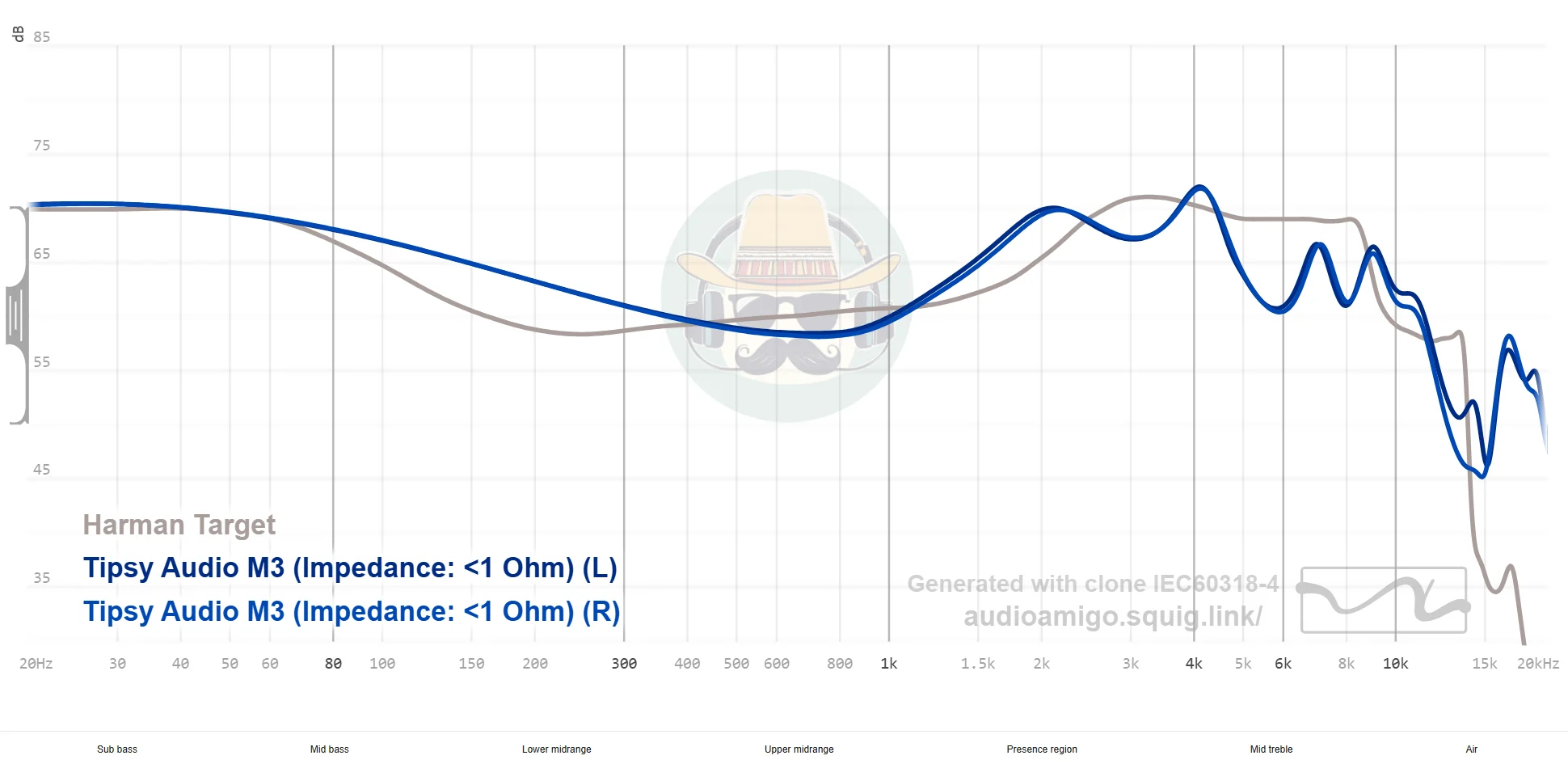
Looking at the frequency-response measurements, I can better understand how those qualities come together.
But the most important discovery happened long before I examined the graph.
I simply loved listening to this IEM.
And that versatility remains the heart of my review.

🌸 Ear Tips: Finding the M3’s Sweet Spot
If I could give anyone one piece of advice about the Tipsy M3, it’s this.
Experiment with your ear tips.
Not casually.
Really experiment.
Because the M3’s tonal balance can change meaningfully depending on how well it seals and how the tips position the nozzles in your ears.
A poor seal can reduce bass weight, change the perceived relationship between instruments and vocals, and make the upper frequencies seem more prominent.
Insertion depth and tip geometry can also influence the presentation.
And with the M3, those differences were worth exploring.
I tried different options before settling on my preferred combination.
Divinis wide-bore silicone tips.
For my ears, the experimentation was absolutely worth it.
They provided the seal and comfort I wanted while helping the M3 deliver the openness, clarity, and tonal balance that made me fall in love with it.
The bass retained its presence. Vocals remained articulate. The upper frequencies had room to breathe, and the overall presentation felt wonderfully cohesive.
That combination suited me beautifully.
Your ears may be different.
And that’s important.
I wouldn’t automatically assume my preferred tips will be yours. Ear shape, nozzle placement, seal, and personal listening preferences all influence the result.
But I strongly encourage anyone evaluating the M3 to avoid judging it based on the first pair of tips that happens to fit.
The M3 rewards patience. Find the right seal, and there’s a lot to love.
🔬 Frequency Response: The Engineering Behind the Experience
I love when a frequency-response graph helps explain something I’ve already been hearing.
Not because measurements tell the entire story. They don’t.
A graph can’t tell me whether I’ll love an IEM, how emotionally connected I’ll feel to a performance, or whether its presentation will keep me listening long after I should have gone to bed.
But it can help explain the tuning decisions behind those experiences.
And the Tipsy M3 has a particularly interesting response.
Special thanks to Omar, everyone’s Audio Amigo, for sharing these measurements through Audio Amigo’s Squig database. I appreciate enthusiasts who take the time to measure equipment and share that information with the community.
The graph compares the Tipsy M3 against the Harman in-ear target, giving us a useful reference for understanding where Tipsy follows familiar tuning conventions and where it takes a different approach.
And those differences tell an interesting story.
🥁 Bass: Tasteful Depth, Not Needless Destruction
Starting at the bottom, the M3 maintains substantial output through the sub-bass region, with a gradual decline as frequencies approach the lower midrange.
Rather than creating a sharply separated bass shelf, the response transitions smoothly from the lowest frequencies toward the middle of the spectrum.
This helps explain why I hear satisfying bass weight and physical presence without feeling disconnected from the rest of the music.
There’s enough energy to make percussion and electronic basslines engaging, but the transition remains gradual.
The M3 gives bass a meaningful role without letting it become the entire performance.
🎤 Lower Midrange: Creating Room for the Music
Moving upward, the M3’s response gradually settles into a relatively restrained region around 600Hz to 1kHz.
This is one of the tuning’s more interesting aspects.
The relationship between the elevated bass and this quieter region can contribute to the slightly relaxed midrange character I noticed during listening.
The lower vocal fundamentals and instrument body aren’t exaggerated just to make everything sound thicker or closer.
Instead, the M3 maintains openness, letting the surrounding arrangement develop naturally.
That doesn’t mean the midrange disappears.
Quite the opposite.
Because the upper midrange introduces another important part of the story.
✨ Upper Midrange: Clarity Without Constant Vocal Spotlighting
Look at what happens between approximately 1kHz and 4kHz.
The M3 rises prominently toward 2kHz, relaxes around 3kHz, and climbs again near 4kHz.
It’s an interesting contour.
The energy through this region helps explain the definition I hear in vocals, guitars, percussion, and other instruments that rely on upper-midrange information for articulation.
But the relative reduction around 3kHz may also contribute to why the M3 doesn’t consistently push singers directly into my face.
The vocals remain remarkably clear, even when they sit slightly behind the surrounding arrangement.
That’s an important distinction.
Clarity and vocal proximity aren’t the same thing.
An IEM can reveal tremendous vocal information without making the singer feel as though they’re standing inches away.
And that’s exactly the kind of presentation I’ve enjoyed with the M3.
🌟 Treble: Energy, Contrast, and Refinement
Beyond the upper midrange, the M3 shows several peaks and valleys in the treble.
There’s a noticeable reduction around 5-6kHz, followed by additional energy farther up the spectrum.
That contrast may help explain why the M3 can deliver crisp articulation and a satisfying sense of sparkle without sounding relentlessly aggressive.
But there’s an important limitation.
Upper-treble measurements are particularly sensitive to insertion depth, ear-canal acoustics, and the measurement coupler itself. Small peaks and dips on a graph don’t always match what an individual listener hears.
I wouldn’t interpret every narrow feature as an audible tuning decision.
What matters most is how those frequencies come together in practice.
And during my listening, the M3 consistently delivered the kind of clarity I enjoy without becoming unpleasantly sharp or exhausting.
🎯 Channel Matching: An Encouraging Detail
Another welcome characteristic is how closely the measured left and right channels follow each other.
Across much of the frequency range, the two blue traces are nearly indistinguishable.
That’s encouraging.
Good channel consistency can support stable centered images and a balanced presentation between the ears.
Of course, this measurement represents the tested sample, not a guarantee that every production unit will perform identically.
But it’s a positive observation.
🦖 What the Graph Really Tells Me
Here’s my favorite part.
The graph doesn’t show an IEM attempting to maximize bass, midrange, and treble independently.
It shows a carefully shaped frequency response, with meaningful relationships between the low frequencies, the quieter lower midrange, the energetic presence region, and the upper-register peaks and dips.
That doesn’t prove its crossover is superior or confirm every aspect of Tipsy’s acoustic engineering.
But it does help explain the tonal character I’ve been hearing.
The bass has weight. The vocals remain clear without always dominating the mix. The treble provides definition without becoming relentlessly sharp.
And the overall presentation feels cohesive.
The measurements help me understand the Tipsy M3’s tuning. My listening experience explains why I enjoy it so much.
That’s exactly how I like to use frequency-response graphs.
Not as a substitute for listening.
As another tool for understanding the music.
Measurement credit: Omar, Everyone’s Audio Amigo, via Audio Amigo Squig. Tipsy Audio M3 left- and right-channel measurements shown against the Harman in-ear target, using a clone IEC60318-4 coupler and a source with output impedance below 1Ω. Measurements are not GearZilla laboratory results.

🎯 Instrument Separation & Placement: Everyone Knows Their Part
One of my favorite qualities in a good IEM is the ability to follow individual instruments without losing the sense of a complete performance.
I don’t want everything blended into an indistinct musical soup.
But I don’t want the musicians scattered so far apart that the recording loses its natural cohesion, either.
The Tipsy M3 finds an excellent balance.
Individual instruments are easy to identify and follow. The percussion stays defined, the guitars have recognizable textures, and the vocals hold their own within the arrangement.
The mix feels reassuringly organized.
Even when the recording becomes busy, the M3 does a convincing job of keeping the different musical elements from competing for the same space.
And the result is wonderfully engaging.
I can concentrate on the bass line, shift my attention to the drums, follow the singer, and then relax into the entire performance.
Everything feels connected.
That’s a quality I value tremendously.
Because great separation isn’t simply about pulling sounds apart.
It’s about allowing every instrument to contribute without losing the relationship between them.
The M3 understands that.
🌌 Width & Depth: A Convincing Sense of Musical Space
This is another area where the M3 made a strong impression.
I love an expansive listening experience.
Give me convincing width, meaningful depth, and the sensation that instruments occupy recognizable positions around me, and I’m usually a very happy listener.
The M3 has a satisfying ability to create that sense of dimension.
The presentation doesn’t feel trapped in my head, nor does it become artificially stretched to create an exaggerated sense of size.
Instead, it creates a believable sense of space around the musical arrangement.
Instruments occupy distinct positions, and the separation between them helps the recording feel open and organized.
Depth is equally important.
I want the music to have layers.
A vocalist should occupy a recognizable position, while the surrounding instruments create a sense of distance and relationship.
The M3 handles that relationship with confidence.
When I paired it with a capable, balanced source, I especially enjoyed how the entire presentation seemed to relax and expand.
It felt more effortless.
More open.
More able to let the recording unfold naturally.
I wouldn’t describe the M3 as the most enormous or holographic IEM I’ve ever heard.
But that’s not the point.
It creates a convincing musical environment without sacrificing the balance that makes it so versatile.
And that’s an impressive achievement.
🔬 Detail & Resolution: Hear More, Enjoy More
There’s a difference between detail that’s genuinely useful and detail added simply to impress someone during a quick demo.
The M3 delivers the former.
It’s an impressively revealing IEM, capable of exposing subtle textures and fine musical information without forcing those details to dominate the experience.
I can follow background instruments, appreciate a note’s decay, and recognize the smaller elements that give a recording its character.
But I don’t feel as though I’m being asked to dissect every song.
That’s important to me.
I love technical performance.
I enjoy discovering small details in familiar recordings, and I appreciate equipment that lets me hear deeper into the music.
But I don’t want my listening sessions to resemble a forensic investigation.
Sometimes I just want to press play.
The M3 allows me to do both.
Its resolution is strong enough to reward attentive listening, yet its overall musical balance remains accessible and enjoyable.
There’s plenty to discover without feeling obligated to go looking for it.
🦴 Slam & Dynamics: Controlled Energy, Real Musical Impact
The M3 isn’t a bass cannon.
We’ve established that.
But don’t confuse controlled bass with a lack of excitement.
This little hybrid can be wonderfully energetic.
The drums hit with convincing impact, the bass notes provide satisfying momentum, and the intensity changes feel natural and engaging.
What impresses me most is the balance between physical impact and overall composure.
The M3 doesn’t need to inflate every note to feel powerful.
Instead, the music’s dynamic contrast does much of the work.
Quieter passages stay delicate, while more energetic moments arrive with the right weight.
That’s a satisfying way to listen.
And when the recording demands a little attitude?
The M3 is perfectly willing to provide it.
Not every Kaiju needs to flatten Tokyo. Sometimes it just needs a really good rhythm section.
⚡ Speed & Transients: Quick, Clear, and Confident
One challenge for a hybrid IEM is maintaining convincing timing across different driver technologies.
And the M3 handles that challenge well.
Percussion has a clean, recognizable attack, plucked strings retain definition, and complex arrangements stay organized as the tempo increases.
There’s a satisfying sense of responsiveness.
The M3 doesn’t feel sluggish or overly softened, but it also doesn’t exaggerate every transient into a sharp, unnatural event.
That balance helps preserve its versatility.
Fast music remains exciting. Acoustic recordings retain their delicate textures. Rhythmic passages move forward with conviction.
This is another area where Tipsy’s crossover, damping, and acoustic architecture become interesting.
The company emphasizes engineering the entire system rather than simply adding drivers.
To my ears, the M3’s clean, coordinated presentation suggests those choices were made with a clear objective.
I appreciate equipment that can keep up without constantly showing off.
The M3 does exactly that.
🎵 Tonality & Timbre: Purposeful Energy, Beautiful Balance
If I had to describe the M3’s tonal personality in four words, I’d choose:
Clear. Natural. Lively. Musical.
And after examining its frequency-response measurements, I have an even greater appreciation for why those qualities work so well together.
The M3 isn’t strictly neutral, and it doesn’t follow the Harman target exactly.
There’s substantial low-frequency presence, a gentle reduction through the lower midrange, and a more energetic upper-midrange region that gives vocals and instruments excellent articulation.
But what I appreciate most is how naturally those qualities coexist.
The bass provides foundation and weight without overwhelming the performance. The midrange stays clear even when singers feel slightly set back. The upper frequencies add detail and sparkle without constantly becoming the center of attention.
There’s a deliberate quality to the tuning.
Nothing feels exaggerated simply to create a spectacular first impression.
Instead, the M3 emphasizes the relationships between different parts of the music.
And that’s what makes it so versatile.
I can appreciate delicate acoustic instruments, enjoy soulful vocals, follow complicated percussion, or lose myself in an energetic electronic recording without feeling that the IEM is forcing everything into the same musical personality.
The M3 doesn’t demand that every recording sound impressive in the same way. It lets each recording express its own character.
That’s a quality I value tremendously.
And it’s one of the reasons this little hybrid has been so enjoyable.
🎛️ Amplification & Source Pairing: Let This Monster Stretch Its Legs
Now we’re getting to one of my favorite discoveries.
The M3 surprised me with how much I enjoyed it when paired with better amplification.
Out of the box, the included 3.5mm cable provides a perfectly usable starting point.
And let’s be clear about something.
With its published 18ω impedance and 106dB sensitivity, the M3 isn’t inherently difficult to drive. You don’t need an enormous desktop amplifier simply to achieve satisfying listening levels.
But reaching sufficient volume and finding a preferred source pairing aren’t necessarily the same.
During my listening, I found the M3 particularly rewarding when connected to a capable source through a compatible 4.4mm balanced cable.
The presentation felt more expansive, more effortless, and better organized.
The music had more breathing room, and I was even more impressed by the M3’s ability to convey depth, separation, and dynamic energy.
It was a genuinely enjoyable change.
Now, before anyone starts ordering balanced cables for every IEM in the collection, keep this distinction in mind.
Balanced output isn’t magic.
Different outputs can have different power capabilities, gain structures, impedance characteristics, and amplifier implementations. Volume differences can also influence our perception of clarity, bass, and spatial presentation.
So I’m not suggesting that changing the connector alone transforms the M3.
I’m describing what I enjoyed with my equipment.
And through that more capable setup, the M3 delivered one of my favorite versions of itself.
Which brings us right back to my frustration with the available cable options.
Tipsy has created an IEM that rewards experimentation, yet its connector choice and lack of a conventional stock 4.4mm option make that exploration less convenient than it should be.
This little monster has plenty to offer. I just wish Tipsy made it easier to unleash.

👹 The GearZilla KAIJU DNA Scan: Anatomy of an All-Rounder
Every Kaiju has a defining personality.
Some rely on overwhelming power. Others specialize in speed, precision, or an intimidating presence.
Then there’s the occasional creature that seems equipped for practically anything.
That’s the Tipsy M3.
Let’s examine its DNA.
🎯 K • Kill Shot: Remarkable Versatility
The M3’s greatest strength is its ability to handle so many different kinds of music without making me wish I had reached for something else.
Bass, clarity, natural instrumental textures, smooth treble, and convincing separation all come together in a wonderfully balanced performance.
Its secret weapon isn’t one spectacular trick.
It’s how successfully everything works together.
🧬 A • Anatomy: Purposeful Engineering
One dynamic driver, two balanced armatures, and a carefully developed three-way crossover form the M3’s foundation.
But it’s the attention to the complete system that makes this design particularly interesting.
Tipsy emphasizes crossover integration, damping, and internal acoustic geometry rather than relying on driver count alone.
The resulting presentation sounds natural and cohesive.
And the beautiful resin shells reinforce that same attention to detail.
This isn’t complexity for its own sake. It’s design with intention.
🦴 I • Impact: The Joy of Not Having to Choose
One of the most frustrating parts of this hobby is constantly feeling compelled to switch equipment.
More bass? Change IEMs.
More clarity? Change again.
Want a smoother presentation? Back into the collection.
The M3 reduces that temptation.
Not because it does everything better than anything else, but because it consistently gives me what I want.
That’s incredibly satisfying.
🎩 J • Joy: Pride of Ownership
This is where Tipsy deserves special recognition.
The M3 is beautiful.
Its compact shells fit wonderfully, the included cable feels lovely, and the packaging delivers an unexpectedly memorable experience.
There’s personality here.
There’s care.
And there’s the simple pleasure of picking up equipment you’re happy to own.
I love that.
🎤 U • Unleashed: Tips, Power, and Possibility
The M3 rewarded my experimentation.
Finding the right seal made a meaningful difference, and my Divinis wide-bore tips became the preferred pairing.
Then came the more capable balanced source.
That’s when I appreciated how much this little IEM had to offer.
The added openness and effortless presentation made an already enjoyable experience even more compelling.
I just wish the connector and stock cable options gave owners more flexibility.
🦖 The KAIJU Conclusion: One Remarkably Complete Little Monster
The M3 isn’t perfect.
No IEM is.
But it gets so many important things right that its shortcomings feel particularly frustrating.
Not because they ruin the experience.
Because the sound, design, and comfort are already so good that I want the practical details to match.
And that’s a pretty wonderful problem for an IEM to have.
💰 Value: You’re Paying for Thoughtful Engineering
Here’s something I’ve come to appreciate after reviewing so much audio equipment.
Good sound isn’t an accident.
Thoughtful acoustic engineering doesn’t happen just because someone puts a few impressive drivers into a beautiful shell.
There’s research involved.
Development.
Prototyping.
Tuning.
Testing.
And, perhaps most importantly, the willingness to make deliberate choices about what the final product should actually sound like.
That’s what interests me about the Tipsy M3.
At $219, I’m not just evaluating the number of drivers or what’s in the box.
I’m evaluating the complete result.
Tipsy brings its professional, custom in-ear audio experience to a product intended for everyday HiFi enthusiasts.
Its three-way hybrid architecture reflects a system-level approach to acoustic design, where crossover points, damping, and internal geometry work together to achieve a particular musical objective.
And I think that investment in tuning is audible.
The M3 delivers an unusually satisfying combination of technical performance and musical enjoyment.
The bass has substance without becoming excessive. The midrange remains naturally articulate. The treble is detailed without being relentless. And the entire presentation feels cohesive.
Add the beautiful construction, small comfortable shells, lightweight stock cable, and distinctive packaging, and the M3 becomes a compelling ownership experience.
That’s what value means to me.
Not simply how little something costs.
It’s what the manufacturer accomplished with the resources, engineering, and design decisions behind the product.
Could Tipsy improve the connectivity?
Absolutely.
I’d welcome a more conventional two-pin arrangement and a stock 4.4mm balanced option.
But those are opportunities to refine an already excellent product.
The fundamental acoustic performance is remarkably well executed.
The M3 feels like an IEM whose tuning was developed with purpose rather than assembled around a marketing checklist.
And that’s something worth investing in.

🦖 GearZilla Scorecard: A Complete Musical Experience
The Tipsy M3 impressed me most through its consistency.
Rather than excelling in one category while sacrificing another, it delivers strong performance across virtually every area I care about. This is a beautifully engineered, remarkably versatile IEM that balances technical ability with musical enjoyment.
Here’s how this little monster performed.
✨ Clarity: 4.7/5
Excellent transparency and articulation, with a presentation that reveals subtle musical information without becoming relentlessly analytical. The M3 brings impressive definition to familiar recordings while preserving a natural, enjoyable character.
🎤 Midrange & Vocals: 4.3/5
Natural, articulate, and beautifully intelligible, although singers can feel slightly set back within the arrangement. The vocal texture remains convincing, but fans of an especially intimate presentation may want a little more presence.
🥁 Bass: 4.5/5
Tasteful sub-bass extension, satisfying impact, and convincing texture without overwhelming the midrange. There’s enough weight to make music exciting, but the M3 favors control and balance over unnecessary low-frequency excess.
🎯 Separation & Placement: 4.6/5
Impressive organization and clear instrument placement, even as arrangements get more complex. Individual musical elements remain distinct without sacrificing the cohesion of the complete performance.
🌌 Width & Depth: 4.6/5
A convincing, open musical presentation with satisfying width, depth, and layering. I particularly enjoyed how the M3 seemed to stretch its legs when paired with my preferred capable balanced source.
🔬 Detail & Resolution: 4.6/5
Strong technical performance that rewards critical listening while staying accessible for everyday enjoyment. Fine details emerge naturally rather than being artificially pushed into the spotlight.
✨ Treble & Air: 4.6/5
Crisp, energetic, and beautifully detailed, with enough refinement to keep the upper frequencies from becoming unnecessarily sharp or tiring. A welcome combination of clarity, sparkle, and long-term listening comfort.
🦴 Slam & Dynamics: 4.4/5
Satisfying musical impact and expressive contrast, prioritizing control rather than overwhelming physical force. It delivers plenty of rhythmic energy, though dedicated bass enthusiasts may crave a little more brute strength.
🎤 Vocal Lift: 4.1/5
Excellent vocal clarity, but a more restrained sense of proximity. Singers remain articulate and natural, though the M3 doesn’t consistently bring them forward with the intimacy I personally enjoy.
⚡ Speed & Transients: 4.6/5
Clean attacks, confident articulation, and effective organization across energetic recordings. The percussion stays responsive, instrumental textures retain definition, and complex arrangements stay cohesive.
🎵 Tonality & Timbre: 4.7/5
Natural, coherent, and gently energetic. The M3 strikes a particularly successful balance between technical precision and musical enjoyment, demonstrating the benefits of thoughtful acoustic engineering.
🎛️ Tuning & Pairing Flexibility: 4.3/5
The M3 responds beautifully to ear-tip experimentation and capable sources. My Divinis wide-bore tips and preferred balanced setup brought out some of its finest qualities, although the restrictive connector arrangement and limited stock cable options reduce its practical flexibility.
☁️ Comfort & Fit: 5.0/5
Absolutely fantastic. The small, lightweight resin shells fit my ears beautifully, making the M3 exceptionally comfortable and easy to enjoy for extended listening sessions. This is exactly how a compact IEM should fit.
🎨 Design & Build: 4.9/5
Gorgeous craftsmanship, distinctive styling, and a genuine sense of premium ownership. Tipsy’s attention to visual presentation and physical design is evident throughout. A beautifully executed little IEM.
📦 Accessories & Presentation: 4.5/5
Memorable packaging that makes unboxing feel special, complemented by an excellent lightweight TC-40 cable and useful accessories. Greater termination flexibility would make the complete package even more satisfying.
🎶 Listening Enjoyment: 4.9/5
One of the M3’s defining achievements. It’s remarkably easy to enjoy across different genres and listening situations. I rarely wished for a different IEM, and that’s one of the highest compliments I can give any audio product.
💰 Value: 4.7/5
A thoughtfully engineered hybrid that combines professional-audio expertise, impressive musical performance, beautiful construction, and everyday practicality. The purposeful tuning investment is evident, and the complete experience feels worthy of its place in the HiFi market.
🧡🦖 Overall GearZilla Score: 4.4/5 | A-Class Kaiju
The Tipsy M3 earns its 4.4/5 because it delivers an unusually complete musical experience.
Its greatest strengths aren’t isolated technical achievements. They’re the way its clarity, musicality, comfort, appearance, and versatility work together.
And I believe that cohesion reflects the philosophy behind its development.
Tipsy has taken its professional audio experience and applied it to a compact, approachable HiFi product without losing sight of the importance of careful acoustic engineering.
What keeps it from a higher score?
The slightly reserved vocal presentation, the extended two-pin connector arrangement, and the lack of a traditional 4.4mm balanced stock cable option.
Those are meaningful considerations, especially for enthusiasts who enjoy experimenting with different sources and cables.
But they don’t diminish the accomplishment at the heart of this IEM.
The M3 sounds like a product designed by people who understand that great audio isn’t about individual components. It’s about how those components work together.
And Tipsy has brought those components together beautifully.
🧡🦖 GearZilla Verdict: 4.4/5 | A-Class Kaiju
Design with purpose. Engineering with intention. Music without compromise.
🦖 Final Roar: Someone Chose This Path
I’ve spent a lot of time exploring the many different personalities that make this hobby so fascinating. Some IEMs deliver enormous bass, others promise microscopic detail retrieval, and some create such an expansive presentation that the recording seems to extend far beyond what their tiny dimensions should reasonably allow. I love discovering those different approaches because they make personal audio such an endlessly entertaining rabbit hole.
But every once in a while, I encounter something that reminds me there’s another way to impress a listener.
You can simply get the important things right.
That’s what the Tipsy M3 does for me.
And after learning more about Tipsy’s background, I think I understand why.
This company was founded on an appreciation for professional audio, acoustic engineering, and the relationship between what we hear and what we see. Its philosophy celebrates sound as something to be experienced and design as something that should communicate purpose.
The M3 feels like a natural extension of that thinking.
Rather than simply packing additional drivers into a shell and hoping the resulting specifications impress buyers, Tipsy developed a hybrid system around a particular acoustic objective. One dynamic driver, two balanced armatures, and a three-way crossover form the foundation, but the real achievement lies in how those components work together.
The bass provides satisfying weight without becoming excessive. The slightly relaxed midrange remains clear and natural. The treble delivers crisp detail without constantly threatening to become unpleasant. And the instrument placement, width, and depth give music the room it needs to breathe.
That presentation has a wonderful confidence.
I can settle into an intimate acoustic recording, appreciate a vocalist’s emotional character, and enjoy the delicate textures surrounding the performance. Then I can switch to something louder, faster, and more demanding without feeling I’ve chosen the wrong IEM.
The M3 remains engaging, articulate, and musically convincing.
That flexibility became one of my favorite things about it.
And then there’s the craftsmanship.
Tipsy has created a genuinely beautiful little IEM. The resin shells look fantastic, the compact design fits my ears perfectly, and the lightweight TC-40 cable feels perfectly suited to the earpieces’ size. Even the packaging delivers an unexpected moment of delight, and I’m still not spoiling that experience for anyone who hasn’t opened one.
It’s the kind of product that reminds me why pride of ownership matters.
Of course, I can’t ignore the practical limitations. The extended connector arrangement limits convenient access to replacement cables many enthusiasts already own, and the lack of a traditional 4.4mm balanced option is especially frustrating, given how much I enjoyed the M3 through my preferred, capable source.
The vocal positioning is also slightly relaxed and won’t satisfy everyone who wants singers pushed directly into the foreground.
But here’s the interesting thing.
Those criticisms never changed how much I wanted to keep listening.
Finding the right ear tips was part of the adventure. My Divinis wide-bore silicone tips gave me the seal and balance I wanted, and pairing the M3 with a compatible balanced source made the presentation feel even more open and accomplished.
I wasn’t desperately trying to rescue a flawed tuning.
I was discovering how much enjoyment I could extract from an already excellent IEM.
And that difference matters.
What I find especially encouraging is seeing a manufacturer with roots in professional and custom in-ear audio bring that experience to a broader community of HiFi enthusiasts.
There’s something refreshing about a company that seems to understand the difference between building a product around impressive components and engineering a product around a clear sonic objective.
The M3 makes that distinction beautifully.
It isn’t the biggest monster in my collection.
It doesn’t have the loudest roar.
And it doesn’t need to.
Because the M3 succeeds through something more difficult to achieve than sheer spectacle.
Balance. Intention. And the confidence to let the music speak for itself.
Someone chose this path.
Someone invested the effort to make the drivers work together, the tuning feel natural, the shell fit beautifully, and the complete ownership experience feel special.
And every time I sit down to enjoy this little monster, I appreciate those decisions.
Three drivers. Professional audio DNA. One remarkably complete little monster.
✅ Buy If
- You want a versatile mid-priced IEM that performs beautifully across different musical genres.
- You appreciate professional-audio engineering and purposeful acoustic design.
- You enjoy satisfying bass, natural instrumentation, and clear but comfortable treble.
- You value excellent instrument separation and believable musical width and depth.
- You prefer small, lightweight IEM shells that remain comfortable for extended listening.
- You care about craftsmanship, presentation, and pride of ownership.
- You’re willing to experiment with ear tips to achieve the best seal and tonal balance.
- You enjoy pairing IEMs with capable DACs, DAPs, and portable amplification.
- You want technical refinement without sacrificing everyday musical enjoyment.
- You appreciate an IEM that doesn’t demand constant switching between different sound signatures.
⛔ Skip If
- You want enormous basshead-level sub-bass without EQ.
- You insist on very forward, intimate vocal positioning.
- You prefer a noticeably dark or heavily softened treble presentation.
- You need a conventional universal two-pin connector for your existing cable collection.
- You require an included 4.4mm balanced cable.
- You don’t want to experiment with different ear tips or source pairings.
- You value highly specialized sonic performance more than a balanced, versatile listening experience.
🛒 Ready to Unleash This Little Kaiju?
The Tipsy M3 proves great audio isn’t just about stacking drivers or chasing specs. It’s about intentional engineering, thoughtful design, and creating a complete musical experience that keeps you coming back for more.
With its professional-audio heritage, beautifully crafted shells, remarkably versatile tuning, and impressive clarity, the M3 brings something special to the world of personal HiFi.
At $219, you get an IEM that reflects the care and expertise behind its development.
Ready to experience the M3 for yourself? Visit the official Tipsy Audio store to explore this fantastic little hybrid and discover what happens when thoughtful engineering meets beautiful design.
Use CouponCode: GearZilla for an additional discount!
You might just find the all-rounder your collection has been missing! 🦖🎧
Listen Bigger!
Share This Story, Choose Your Platform!