



✅ Pros: Exceptionally open and airy presentation for the price, crisp and revealing highs, impressive detail retrieval, strong separation, featherweight shells, virtually no pressure buildup, ultra-high sensitivity, ridiculously easy drivability, detachable 2-pin cable, distinctive black-and-red styling, and a tuning that responds beautifully to tip rolling. The USB-C version adds an integrated DAC, app control, and legitimate parametric EQ, making the value proposition even harder to ignore.
⛔ Cons: Sub-bass extension and physical slam are limited, isolation is minimal by design, and the Tears are unusually sensitive to getting the right tips and seal. With the wrong combination, the low end can lose too much foundation and the upper frequencies can become noticeably too prominent. The full real-time PEQ functionality for the Tears is also officially documented as Android-only.

🦖 Disclosure
A huge thank you to Clover and the entire NICEHCK team for their support of GearZilla Reviews and for providing the Tears for this review.
That support means a lot to me, but it doesn’t buy a positive review. Gear provided to GearZilla Reviews doesn’t guarantee favorable coverage, a particular score, protection from criticism, or any influence over my conclusions.
I want to understand what a product was designed to do. I want to hear it before I start trying to change anything, live with it long enough for the specification sheet to stop being the story, and eventually answer the question that matters most to me: Does this thing help me enjoy the music I already love in a new way?
With the NICEHCK Tears, the answer is absolutely yes.
🤯 Around $30 for an Open-Back IEM?
There are already more inexpensive single-dynamic-driver IEMs than any sane person could possibly keep track of. Most follow a similar formula: decent bass, competent tuning, a lightweight shell, a detachable cable, and enough overall performance to justify the price.
The NICEHCK Tears immediately caught my attention because it takes a much more interesting route.
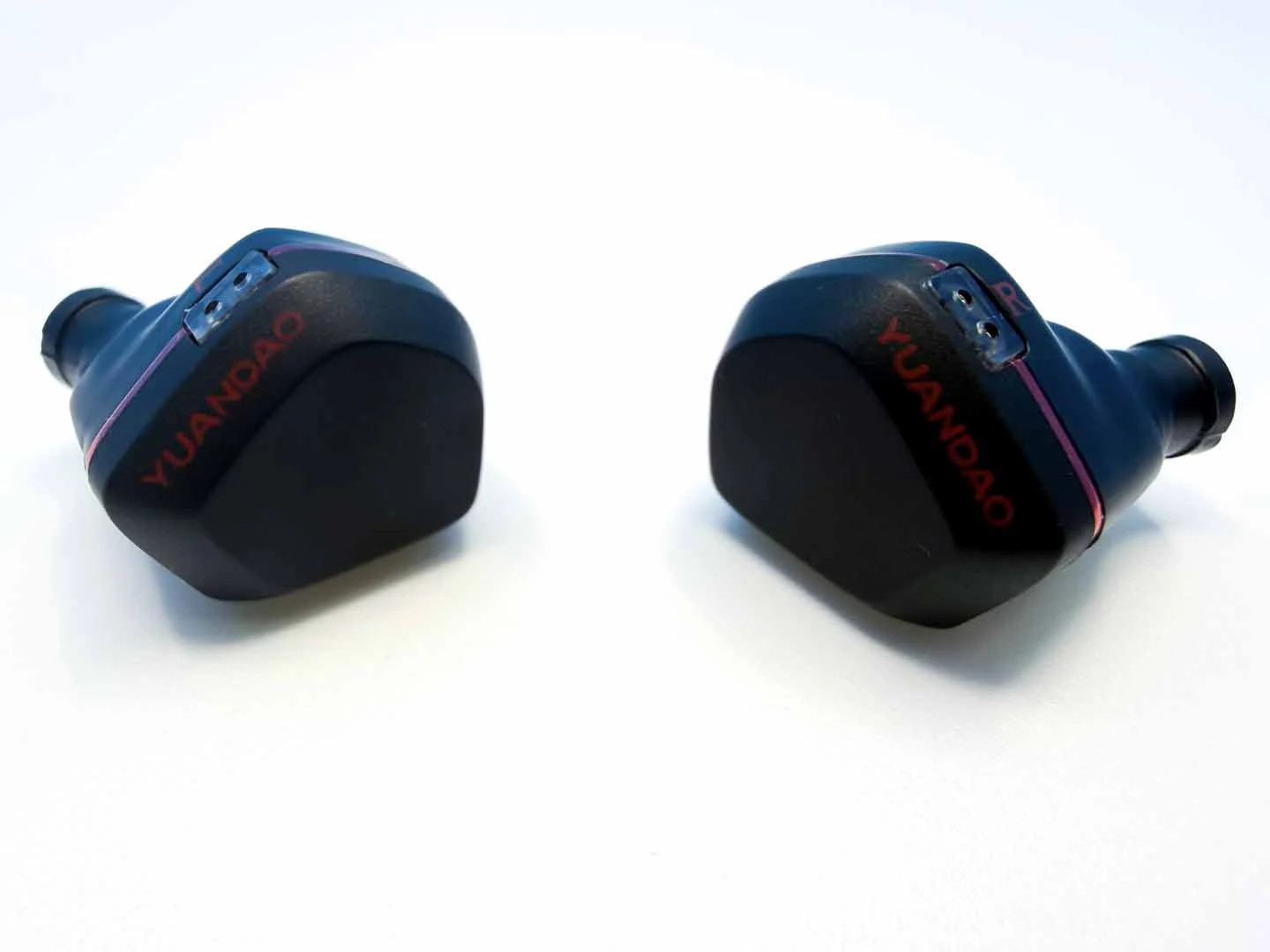
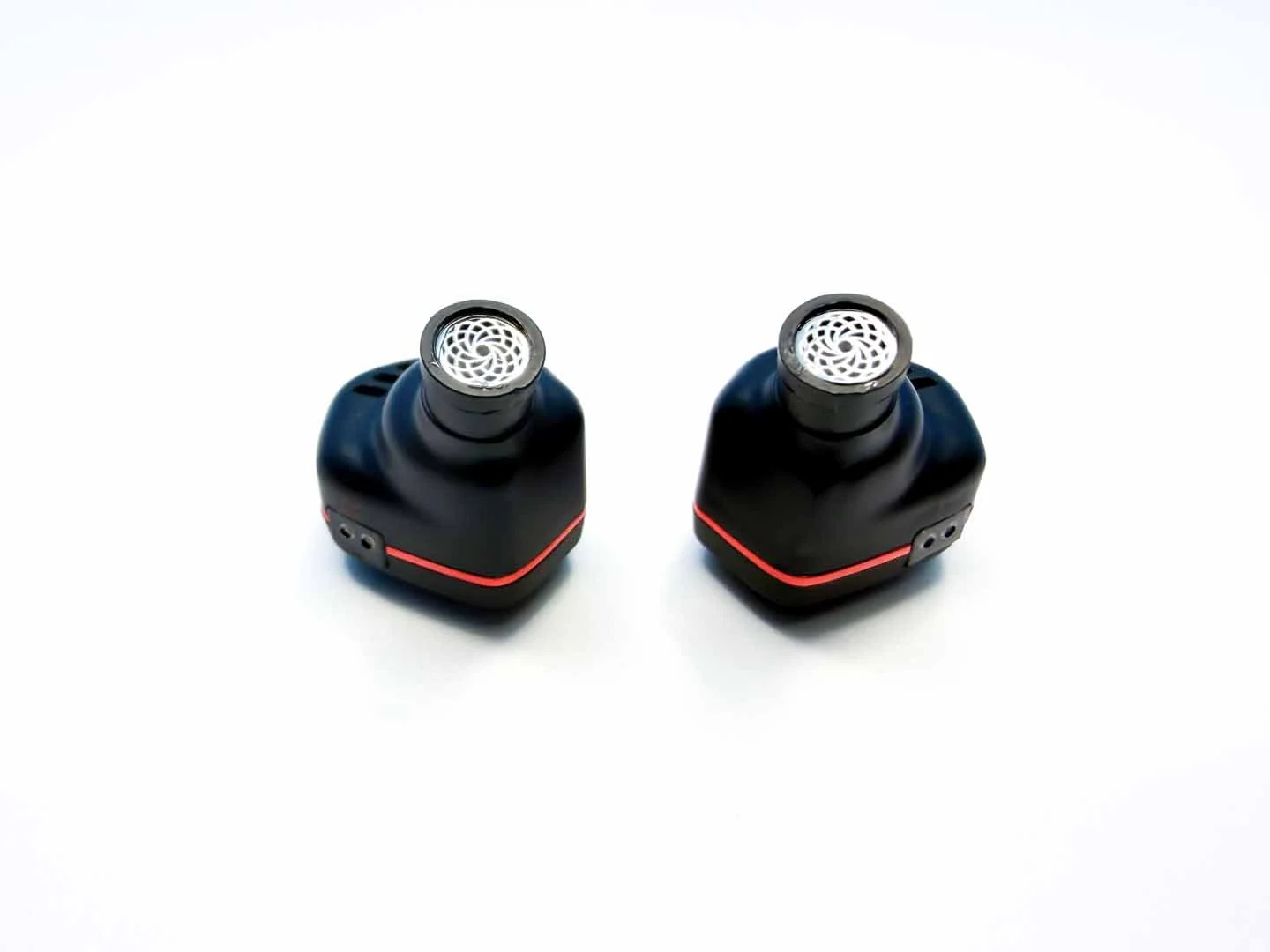
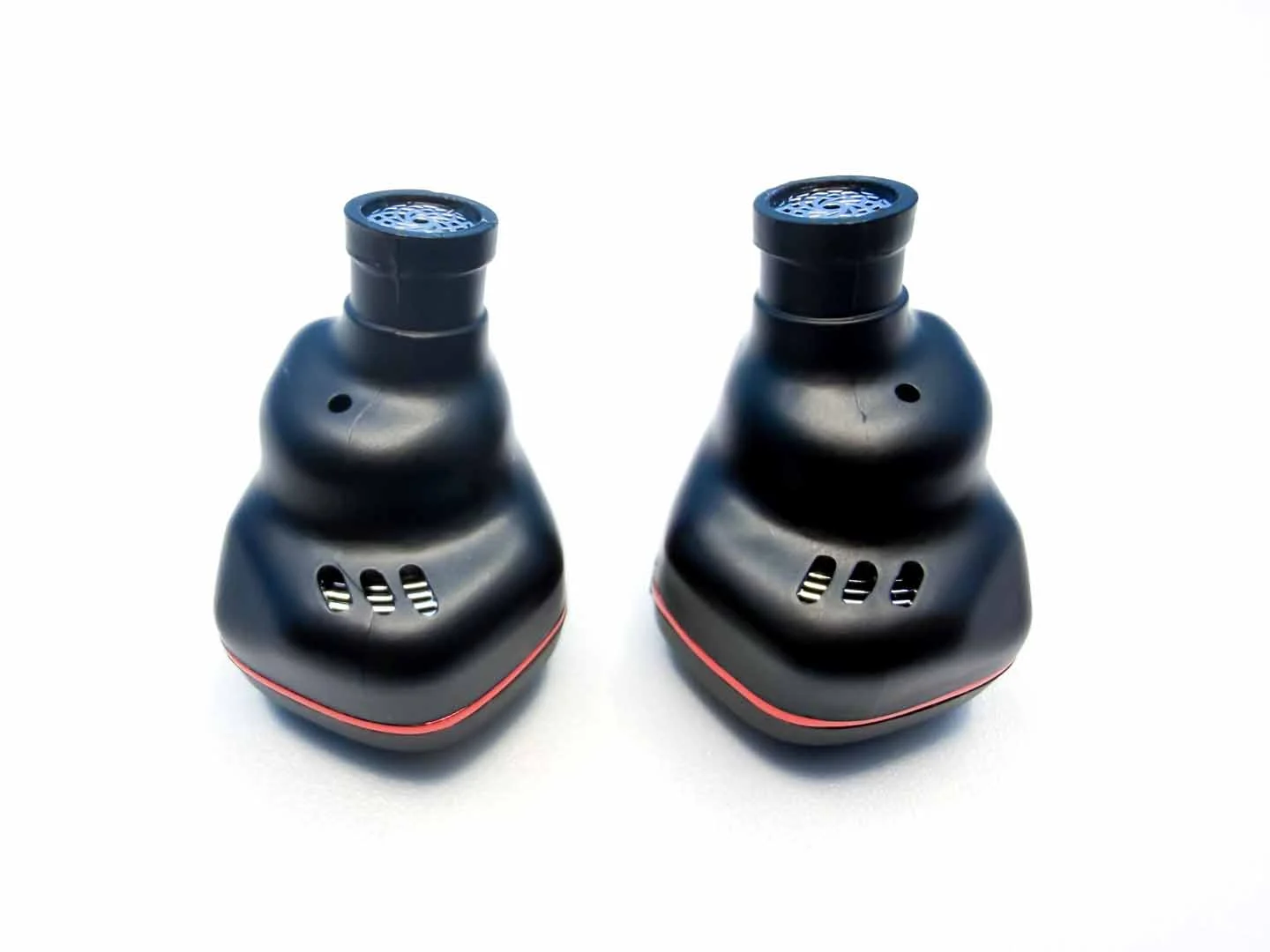
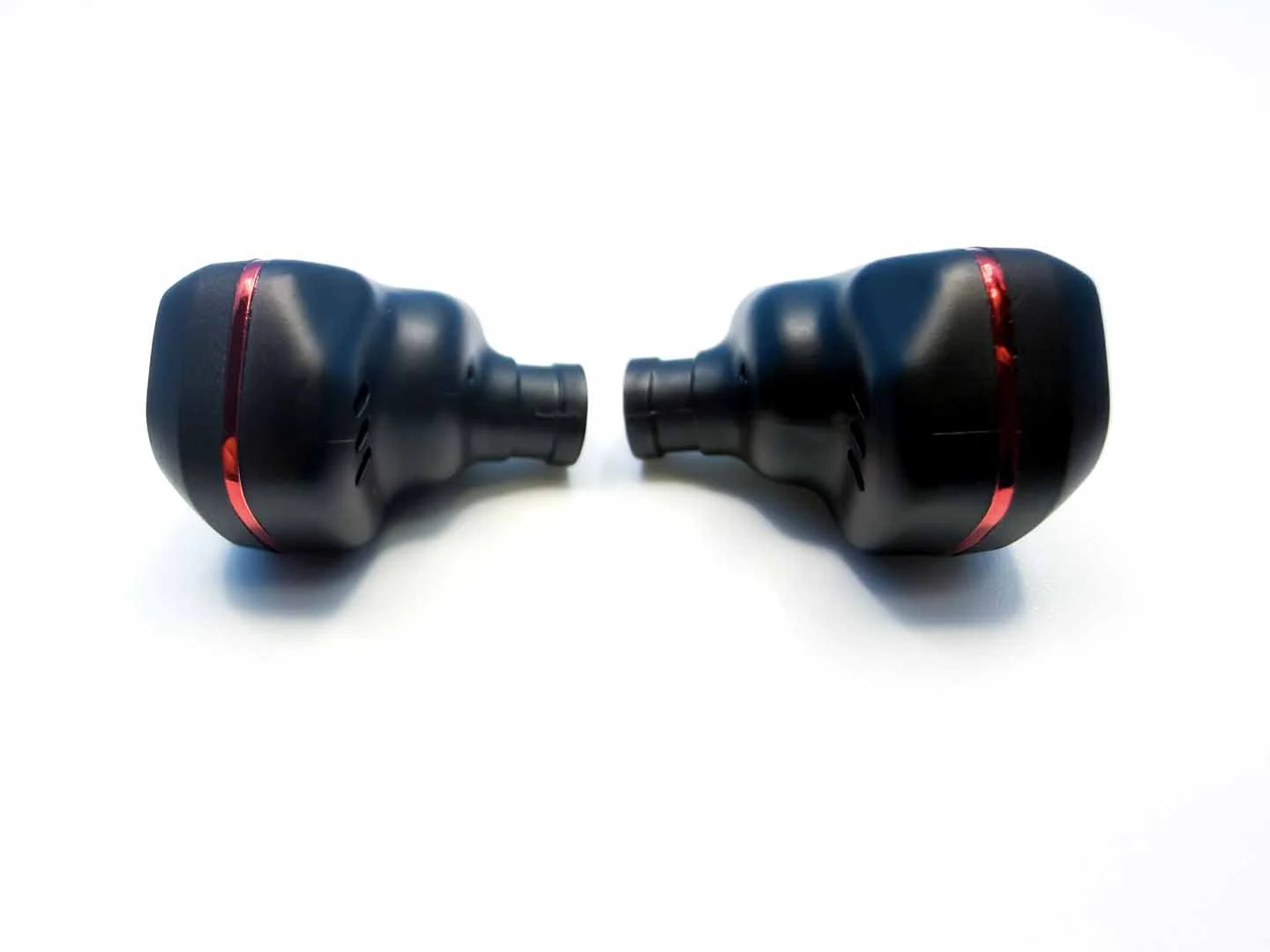
Inside each shell is a 10mm PET dynamic driver using a dual-magnet, dual-chamber architecture. Behind it sits the part that makes the Tears genuinely different: NICEHCK’s open-back acoustic labyrinth structure, complete with a large rear cavity, vent array, and damping system designed to manage airflow and resonance. NICEHCK also says the tuning is based on the Etymotic Target Curve.
And when I say open-back, I mean open-back.
This isn’t a conventional sealed shell with a tiny pressure-relief hole hiding near the connector. The rear of the Tears is seriously vented, and you can hear and feel the difference almost immediately.
Pressure buildup is basically a non-issue. I never experienced that plugged-up, vacuum-like sensation that can sometimes come with tightly sealed IEMs, and that alone makes the Tears feel unusually relaxed during long sessions.
Then there’s the look.
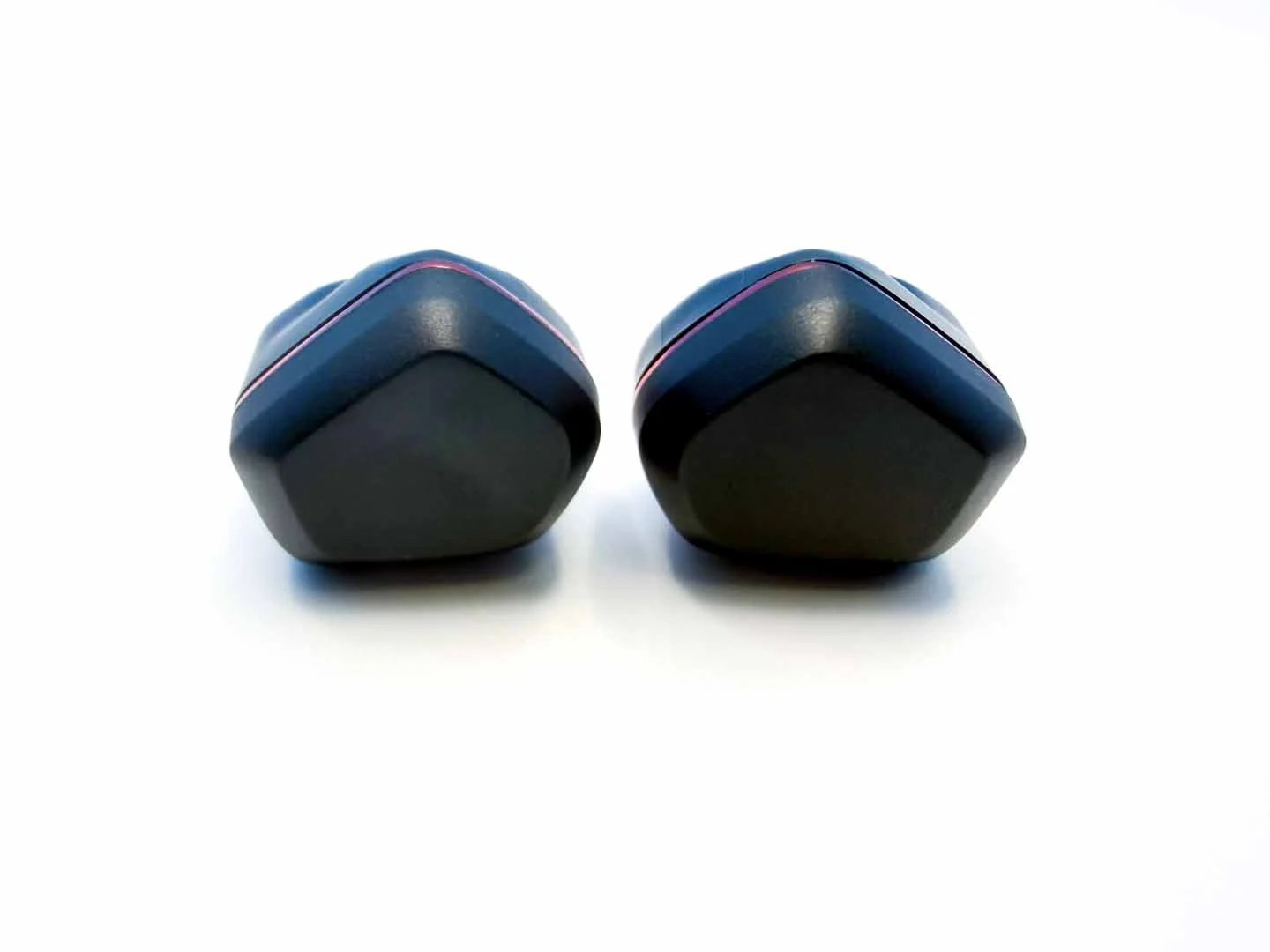
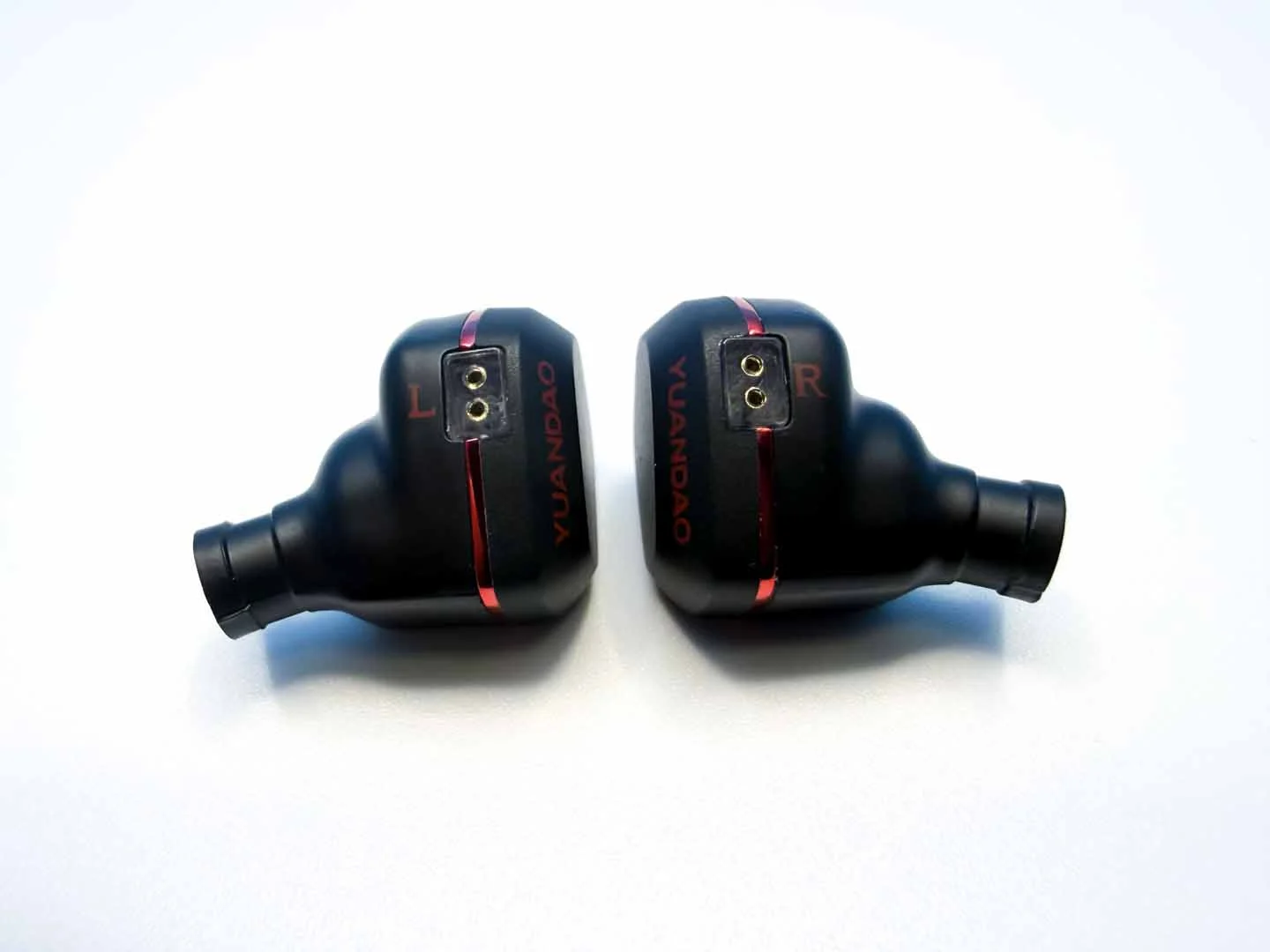
It also comes in white, but the black shell, exposed rear structure, and red accent line give the Tears a cool futuristic personality. There’s a definite black-and-red cyberpunk vibe to the thing, and it looks far more distinctive than I expected from an IEM currently selling for $28.99 on NICEHCK’s site.
At this price, I expected the acoustic design to be interesting. I didn’t expect the whole package to have this much personality.
📦 First Impression: Somebody Opened the Windows
My first reaction to the Tears had almost nothing to do with bass. What grabbed me was the sense of space around the music.
Vocals weren’t packed tightly between my ears. Guitars seemed to have more room around them, percussion arrived with cleaner edges, and upper-frequency information had somewhere to expand instead of feeling trapped inside a sealed presentation. The Tears immediately sounded more open than I expected from an IEM anywhere near this price.
It also felt almost weightless. At approximately 3.8 grams per shell, there simply isn’t much hanging from your ears. Pair that low mass with the serious venting, and the Tears have an effortless quality that I immediately enjoyed.
Then I discovered the catch: tips matter. A lot.
The stock experience didn’t immediately show me everything the Tears could do. With tips that didn’t give me the right seal, the already restrained low end lost too much foundation, and the top end became more exposed than I wanted.
Once I started rolling tips and found the right combination, the whole presentation settled into place. The bass gained enough body to anchor the sound, the vocals became more complete, and the upper frequencies retained their crisp, airy character without dominating the mix.
That became one of the biggest themes of this review. The Tears doesn’t need fixing. It needs fitting.
🎧 Review Setup
Every GearZilla review starts from the same place: Listen first. Figure out the story later.
With the Tears, I spent less time worrying about amplification and far more time finding the fit that let the acoustic design perform properly. That’s partly because this thing is ridiculously easy to drive.
NICEHCK rates the Tears at 20 ohms with an ultra-high sensitivity of 127 dB/Vrms at 1 kHz. That combination means you don’t need a giant desktop amp or some exotic source to get it moving. A modest dongle, portable player, or compatible USB-C device is more than enough.
That efficiency is worth emphasizing because it aligns with the product’s overall philosophy. This is entry-level audio that doesn’t immediately demand another pile of gear before it starts sounding good. You can plug in, find the right tips, and get on with the music.
And if you choose the USB-C DSP version, things get considerably more interesting.
My testing focused on:
- 🎧 Stock listening
- 👂 Extensive ear-tip rolling
- 🔊 Portable sources and dongles
- 🎶 Different genres and recording styles
- 🎤 Vocal-focused tracks
- 🥁 Acoustic and live recordings
- 🌌 Spatial and imaging-heavy material
- 🎮 Content where positional information matters
- ☁️ Longer listening sessions to evaluate comfort and pressure
The more I listened, the clearer the story became.
The Tears are not trying to overwhelm you.
They are trying to get out of the way.
🧬 KAIJU DNA SCAN
Every monster leaves behind a genetic signature.
Here is what this one looks like.
K • Kill Shot
The Tears’ greatest weapon is its open, airy presentation. Plenty of inexpensive IEMs offer respectable tuning or impressive bass for the money, but very few around this price create this much breathing room.
Music spreads outward naturally, individual elements get more space around them, and the whole presentation feels less trapped inside your head. That openness isn’t just a cute design trick. It’s the product’s identity.
A • Anatomy
The Tears uses a 10mm PET dynamic driver with a dual-magnet, dual-chamber architecture inside a lightweight ABS shell. NICEHCK pairs that with its acoustic labyrinth chamber, open rear cavity, and vent array. The company says the dual-magnet design is intended to improve drive and transient response while reducing unwanted electromagnetic interference, while the labyrinth structure manages airflow behind the driver.
The numbers are equally interesting. You’re getting a 20 Hz to 20 kHz rated frequency response, 20-ohm impedance, 127 dB/Vrms sensitivity, 0.78mm 2-pin connection, silver-plated high-purity oxygen-free copper cable, and your choice of 3.5mm or Type-C termination. NICEHCK also lists the Type-C version with an integrated Hi-Res DAC and app-controlled EQ.
That 127 dB/Vrms sensitivity deserves attention. For an inexpensive IEM, that’s a seriously high efficiency figure, and in real-world terms it means the Tears doesn’t need much voltage to reach normal listening levels. It wakes up fast and doesn’t make you work for it.
I • Impact
The Tears creates impact through clarity, speed, and separation rather than brute force. Bass notes arrive cleanly, percussion has definition, guitars keep their edges, and complex passages don’t become unnecessarily thick.
This isn’t the IEM you buy because you want every kick drum to feel like Godzilla just stepped on your house. The impact comes from hearing attacks cleanly, following layers easily, and feeling like the music has enough room to move.
If you value organization over sheer quantity, that distinction matters.
J • Joy
The joy comes from exploration.
Once I had the right tips installed, I kept moving through familiar music just to hear how the Tears would handle different spaces and recordings. Live performances were especially fun because crowd ambiance, room reflections, and instruments had more freedom to spread outward.
Acoustic recordings benefited from the same quality, and even familiar tracks started revealing little spatial cues that I hadn’t expected from a thirty-dollar single-DD set.
That curiosity kept me listening, and for GearZilla, curiosity is catnip.
U • Unleashed
The Tears are unleashed through tip rolling, but the USB-C version offers a second route: DSP.
A poor physical fit weakened the bass foundation and pushed too much attention toward the upper frequencies. The right tips restored balance without destroying the openness that makes the Tears interesting. Once the physical fit was right, the Type-C DSP options gave me another tool to shape the sound without altering the IEM’s basic character.
That’s the important order here. Get the fit right first. Then tweak.
Don’t EQ your way around a bad seal.
🎼 Sound
The easiest way I can describe the NICEHCK Tears is open, crisp, spacious, and remarkably revealing for the money.
Its strongest characteristic isn’t one specific frequency range. It’s the relationship between space and clarity. The presentation feels larger than the tiny shells suggest, and the open architecture lets individual sounds occupy their own areas without everything becoming vague or diffuse.
There’s real detail here, but the Tears doesn’t sound like it’s simply turning up the treble and calling it brightness resolution. Percussion remains easy to follow, guitars retain texture, vocals stay clean, and reverb trails have enough room to continue behind the main performance.
The tradeoff is predictable. You’re giving up some bass pressure and isolation for openness.
For me, that’s an easy trade.
🥁 Bass
Bass isn’t the main reason to buy the Tears, but that doesn’t make it any less good.
The low end is quick, controlled, and clean, with enough mid-bass presence to give drums and bass guitar proper shape. What you don’t get is the kind of deep sub-bass pressure that physically loads the ear canal and turns electronic tracks into miniature earthquakes.
The open architecture simply doesn’t work that way.
Instead, the Tears gives you definition. Kick drums arrive with a clear leading edge, bass lines remain easy to follow, and low frequencies rarely bleed upward into the mids.
Once I found the right tips, the low end gained enough body that I no longer felt like something fundamental was missing. I still wouldn’t hand this to somebody whose entire playlist is just for testing subwoofers, but for acoustic music, jazz, rock, live recordings, and anything where bass texture matters more than brute force, it works beautifully.
🎤 Midrange & Vocals
The midrange is clean and transparent rather than thick or romantic.
Vocals benefit from the space created by the open structure because they don’t have to fight through a wall of bass warmth or congestion. Singers have room around them, which makes vocal lines easier to follow and helps harmonies stay distinct when arrangements become busy.
The Tears doesn’t add much artificial richness, so thinner recordings will still sound thin. That’s simply part of the personality.
This isn’t a warm blanket wrapped around a vocalist. It’s more like opening the studio windows and hearing what’s actually in the room.
🎯 Instrument Separation
Instrument separation is one of the Tears’ strongest technical accomplishments.
For something priced around $30, it does an excellent job of keeping individual elements organized. Guitars remain distinct from vocals, percussion keeps its edges, backing parts remain easy to follow, and dense passages don’t immediately collapse into one big blob.
No, it doesn’t suddenly compete with a flagship multi-driver IEM costing hundreds or thousands of dollars.
But I kept stopping myself from thinking about how inexpensive it was.
That’s probably the bigger compliment.
🏟️ Soundstage & Imaging
This is where the open architecture earns its keep.
The Tears creates meaningful width, but width alone isn’t what makes it interesting. There’s enough depth and spacing between layers that the presentation doesn’t feel like a flat line stretching from one ear to the other.
Live recordings have more room to breathe, audience ambiance stretches farther outward, acoustic instruments feel less confined, and vocals sit in space rather than being nailed directly to the center of your skull.
That same spatial openness makes the Tears interesting for gaming. Directional information remains easy to follow, and because the bass never overwhelms the higher frequencies, environmental cues remain audible.
The Tears don’t magically become a full-sized open-back headphone, but it absolutely nudges the IEM experience in that direction.
And I love that.
✨ Treble & Air
The upper frequencies are another defining part of the Tears.
There’s plenty of energy, but there’s also genuine air. Cymbals have crisp edges, acoustic strings retain bite, subtle production details come forward easily and reverb has room to continue behind the main performance.
This is also where fit becomes incredibly important.
With the wrong tips, the reduced bass foundation can leave too much attention on the upper frequencies. With the right tips, I found the balance much more enjoyable. The highs remained crisp and revealing, but the presentation no longer felt top-heavy.
That’s exactly where I wanted the Tears: bright enough to breathe, but controlled enough to enjoy.
☁️ Comfort: Open Means Open
Comfort is one of the easiest wins in this review.
The Tears weighs approximately 3.8 grams per shell, so there just isn’t much mass in your ears. More importantly, the aggressively vented structure means pressure buildup is almost nonexistent.
That matters more than a spec sheet can explain. Anyone who has worn an IEM that creates a strong sealed vacuum knows how quickly that sensation can become distracting.
I never had that issue here.
Once I had the right tips installed, I could wear the Tears for long sessions without needing to pull them out just to let my ears reset.
The downside is obvious: isolation is minimal.
This isn’t what I’d grab for a loud flight, subway ride, or any other environment where blocking outside noise is the assignment. But calling that a flaw misses the point.
The Tears is open because openness is the assignment, and it absolutely understands the assignment.
🔴 Design: Welcome to the Grid
I genuinely like how these look.
The “Tron Ares” comparison kept coming back to me throughout the review.
The black shell, exposed rear structure, and thin red accent give the Tears a visual identity that feels far more intentional than I expected at this price. It’s futuristic without being gaudy, and the styling actually communicates something about the product’s acoustics.
You can see that it’s open.
You can see that air has somewhere to move.
I love it when the visual design and engineering tell the same story.
⚡ Ultra-High Sensitivity: This Little Monster Wakes Up Fast
The 127 dB/Vrms sensitivity rating is one of those specifications that sound dry until you understand what they mean in practice.
The Tears barely needs to be nudged.
Paired with its 20-ohm impedance, it easily reaches normal listening levels from modest sources, making it a great fit for phones, USB-C connections, portable dongles, and DAPs. You’re not buying an entry-level IEM only to discover you need a miniature nuclear reactor to make it sing.
That also changes how I look at the Type-C version.
The USB-C option isn’t important because the Tears needs more amplification.
It doesn’t.
It’s important because USB-C adds control.
🔌 USB-C DSP: Way More Than a Different Plug
This is the part of the Tears story I originally underestimated.
The Type-C version doesn’t simply replace a 3.5mm plug with a USB-C connector. NICEHCK integrates a DAC into the Type-C implementation and connects it to the company’s software ecosystem, giving Android users access to real-time 8-band parametric EQ. NICEHCK also rates the Type-C DAC for playback up to 32-bit/384 kHz.
That’s a lot of functionality hiding inside an inexpensive IEM cable.
It means you can plug directly into a compatible Android phone or tablet without carrying another dongle, while also gaining meaningful control over the Tears’ tuning.
And this isn’t the usual three-slider “Bass, Mid, Treble” setup that some manufacturers call EQ.
It’s actual parametric equalization.
That’s a very different animal.
📱 NICEHCK Yuandao App: Down the Rabbit Hole We Go
NICEHCK’s current Yuandao App is available on Android through both NICEHCK and Google Play, and the company now also lists a broader iOS app for iPhone and iPad running iOS 17 or later. However, NICEHCK’s Tears-specific documentation currently identifies the Type-C Tears’ real-time 8-band parametric EQ functionality as Android-only.
That distinction is important.
If you’re using Android, Type-C Tears gives you a graphical interface to reshape the sound in real time. That makes the DSP version particularly interesting, since the Tears already respond strongly to physical tuning via the ear tips.
I’d still start with tips first.
Get the seal right. Preserve the openness. Give the bass the physical foundation it needs.
Then use the DSP for the final 10%.
Want a little more low-end weight? Add it carefully.
Want to soften some upper-frequency energy without killing the air? That’s where PEQ becomes incredibly useful.
The important thing is that you’re refining the Tears rather than turning it into something it was never intended to be.
🎚️ Balanced or Dynamic? Pick Your Monster
NICEHCK provides two documented tuning directions for the Type-C version.
The Balanced setting is designed around a more neutral Hi-Fi philosophy, prioritizing a broad, natural stage. The Dynamic profile moves toward a more energetic V-shaped presentation aimed at pop and rock, adding more excitement at both ends of the spectrum.
That alone makes the Type-C version more flexible than the standard analog setup, especially for somebody who likes the core Tears presentation but occasionally wants more energy.
For me, though, the bigger win is the custom PEQ.
Presets are convenient.
Control is better.
🎶 Hi-Res DAC: 32-bit/384 kHz on a $30 IEM?
Here’s where the value equation gets a little silly.
The Type-C version contains a DAC that NICEHCK says supports sampling rates up to 32-bit/384 kHz. That doesn’t magically make a $30 IEM outperform a flagship rig, and sample-rate numbers alone don’t determine sound quality.
But that isn’t the point.
The point is how much functionality NICEHCK has crammed into an entry-level product. You can have an open-back single-DD IEM, ultra-high sensitivity, an integrated DAC, real-time Android PEQ, and high-resolution digital playback in one very inexpensive package.
That’s not something I expected to be writing about at this price.
💰 Value: How Are They Doing All This for Thirty Bucks?
This is where the Tears start to become more than just “a good cheap IEM.”
Budget audio has become incredibly competent, which is great for listeners but makes it harder than ever to stand out. The Tears doesn’t stand out by stuffing six drivers into each shell or trying to win some bass arms race.
It gives you something more interesting.
You get a genuinely open acoustic architecture, impressive stage width, strong separation, crisp detail, almost no pressure buildup, excellent comfort, ultra-high sensitivity, and easy drivability. If you choose the Type-C version, you can also add an integrated DAC, Android app control, and 8-band PEQ to that equation.
NICEHCK currently lists the Tears at $28.99, with black-red and white-gold options across 3.5mm and Type-C configurations.
That’s not merely inexpensive.
That’s borderline rude to some more expensive gear.
👹 Who Is This For?
The Tears makes the most sense for listeners who value space, air, and clarity more than physical bass pressure. If you already love open-back headphones and want to explore a similar philosophy in an inexpensive IEM, this is exactly the kind of odd little monster that makes the hobby fun.
It’s also a compelling option if you struggle with pressure buildup from sealed IEMs, and Android users who enjoy tuning get even more to play with through the Type-C DSP version.
If your ideal IEM experience involves massive sub-bass, total isolation, and a thick, intimate presentation, this probably isn’t your Tears.
If you want something light, open, tweakable, and genuinely different, keep reading.
🦖 GearZilla Scorecard
🌬️ Air & Openness: 4.9/5. This is the Tears’ signature strength. The presentation breathes, the stage stretches naturally, and music rarely feels trapped inside the shell.
☁️ Comfort: 4.9/5. The combination of roughly 3.8-gram shells and virtually nonexistent pressure buildup makes the Tears exceptionally easy to wear for long listening sessions.
🏟️ Soundstage & Imaging: 4.7/5. Width is excellent for the price, with enough depth and positional information to make live recordings and gaming especially enjoyable.
🎯 Separation: 4.7/5. Individual instruments remain easy to follow, and the Tears does an impressive job keeping layered recordings organized for an entry-level single-DD IEM.
🔬 Detail & Resolution: 4.6/5. The Tears retrieves a surprising amount of information without sounding like detail is being forced through excessive brightness.
✨ Treble & Air: 4.6/5. Crisp, extended, and energetic with plenty of breathing room. The score stays below perfect because the choice of tip can make that energy sound exciting or slightly too prominent.
🎤 Midrange & Vocals: 4.5/5. Vocals are transparent, clean, and well-separated, although listeners seeking lush warmth or extra richness may find the presentation slightly lean.
🥁 Bass: 4.0/5. Fast, defined, and controlled, but with limited sub-bass extension and physical slam, this is the weakest part of the overall presentation for listeners who prioritize low-end impact.
👂 Fit & Tip Compatibility: 4.3/5. Once dialed in, the fit is excellent. The deduction comes from how sensitive the Tears is to tip selection and seal, which can significantly alter its tonal balance.
⚡ Drivability: 5.0/5. At 20 ohms and an ultra-high 127 dB/Vrms sensitivity, this thing is absurdly easy to drive. Plug it into modest gear and get on with the music.
📱 App & DSP: 4.8/5. The Type-C version adds legitimate functionality rather than a gimmick. Android users get real-time 8-band PEQ, preset tuning options, and an integrated DAC without needing another device in the chain. The only real ding here is that NICEHCK documents the Tears-specific PEQ workflow as Android-only.
🔌 Versatility: 4.8/5. Between traditional 3.5mm options, microphone versions, and Type-C DSP, the Tears can fit into a surprising number of setups for such an inexpensive product.
💰 Value: 4.9/5. A genuinely unusual acoustic design, excellent comfort, strong technical performance, ultra-high sensitivity, and legitimate DSP capability at roughly thirty dollars make this an easy value standout.
🦖 Overall GearZilla Score: 4.5/5 • A-Class Kaiju.
🦖 Final Roar
The NICEHCK Tears reminded me why I still get excited about inexpensive audio. It isn’t simply because affordable gear keeps getting better. It’s because every once in a while, a company uses this end of the market as permission to experiment.
NICEHCK could’ve built another competent sealed single-DD IEM, dropped it into a lightweight shell, tuned it well, and called the job finished. Instead, they opened the back, built an acoustic labyrinth behind the driver, gave it ultra-high sensitivity and then, with the Type-C version, added an integrated DAC and app-based parametric EQ for good measure.
That open architecture shapes the physical experience just as much as the sound. Pressure buildup is practically nonexistent, the featherweight shells are easy to forget about, and the whole presentation feels relaxed and breathable during longer sessions. The Tears breathe, your ears breathe, and the music gets room to stretch beyond the confines of a traditional sealed IEM.
There are compromises, and they’re significant enough to keep the Tears from a perfect score. The bass is clean and quick but doesn’t dig especially deep or deliver the visceral slam bassheads are chasing. Isolation is minimal because it would run directly counter to the design philosophy, and tip selection matters enormously. With the wrong fit, the low end can lose too much foundation and the upper frequencies can become lean and overly prominent.
Once I found the right tips, though, the balance snapped into place. The treble stayed crisp without becoming exhausting, the bass gained enough body to support the presentation, and the already impressive soundstage and separation were allowed to shine. Then the Type-C DSP option added another layer of fun, letting me refine the tuning without changing what made the Tears special in the first place.
That’s ultimately what pushed the Tears to 4.5/5 for me. Once everything was dialed in, I stopped thinking about what I needed to change and simply listened. That’s the moment I’m always chasing in a review, when the gear stops demanding attention, and the music takes over.
The NICEHCK Tears got me there while doing something genuinely different in one of the most crowded corners of audio. For roughly thirty bucks, that makes it one hell of a little monster.
🏆 GearZilla Open-Back Budget Monster
Let it breathe. Let the music out.
Share This Story, Choose Your Platform!